
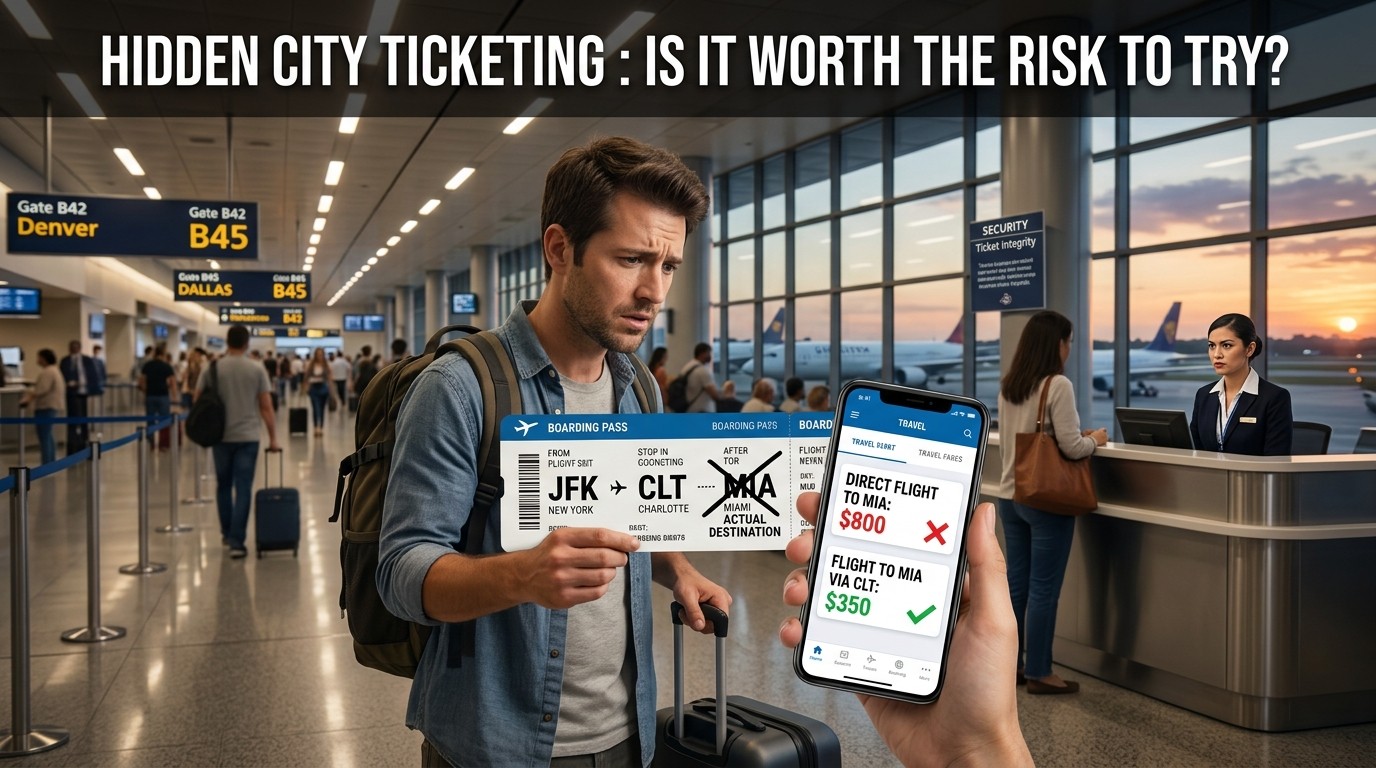
Hidden City Ticketing can look like a clever fare shortcut, but the real value depends on the rules, the tradeoffs, and whether the savings justify the possible consequences.
Hidden City Ticketing is a fare strategy where a traveler books a flight with a layover and intentionally exits at the connection city instead of continuing to the final destination. People are often drawn to it because airfare pricing can feel unpredictable, unfair, and hard to decode. The idea appears simple on the surface: if a route to one city is cheaper than a direct flight to the city you actually want, maybe you can book the cheaper itinerary and stop early. That is the basic appeal, and it is exactly why Hidden City Ticketing gets so much attention online.
The problem is that air travel is not built around intuition alone. Airlines price routes using systems that respond to supply, demand, hub traffic, business travel patterns, and route competition. So Hidden City Ticketing may sometimes appear to create a bargain, but the bargain exists inside a much larger network of rules and operational realities. Travelers who do not understand those rules can end up with canceled return segments, lost checked bags, or account restrictions.
Hidden City Ticketing is also emotionally attractive because it offers a sense of control. When travelers feel trapped by rising prices, the strategy looks like a way to fight back against inflated fares. That emotional appeal matters. Humans are more likely to consider risky shortcuts when they feel they are being overcharged or outsmarted by a system. Yet the very feeling that makes the tactic tempting can also make it harder to judge the real cost.
Before trying Hidden City Ticketing, it helps to slow down and ask a more useful question: is the savings real, repeatable, and worth the risk? That question changes the conversation from excitement to evaluation. It also encourages travelers to think like planners rather than bargain hunters. In air travel, that shift often matters more than the price difference itself.
Why people consider this strategy
The main reason people look at Hidden City Ticketing is price pressure. Airfare can jump quickly, and when the desired destination is expensive, a traveler may search for any legal-looking workaround that reduces the cost. The strategy seems especially attractive when a connecting itinerary costs less than the nonstop or final-destination option. That price gap creates a psychological trigger: the traveler feels like they found an overlooked loophole.
There is also a sense of revenge built into the idea. Some travelers believe airlines use opaque pricing, so Hidden City Ticketing feels like an answer to hidden airline logic. The emotion here is not just thrift; it is defiance. If the airline seems to be playing games, the traveler may feel justified in doing the same. But emotional fairness and practical risk are not the same thing.
Another reason people explore Hidden City Ticketing is comparison shopping fatigue. Travelers may spend hours checking routes, dates, and fare classes without feeling any closer to a decision. When that happens, an apparent shortcut can feel relieving, even if it is not necessarily wise. The shorter the mental distance between “cheap ticket” and “solution,” the more tempting the tactic becomes.
Hidden City Ticketing also attracts travelers who are already comfortable with travel hacks and fare search tools. They may view it as just another optimization method. But the difference between smart optimization and risky behavior is often clarity. A good travel strategy improves the trip without quietly creating new problems later. That is the standard that should be used here.
How airlines and routes make the tactic possible
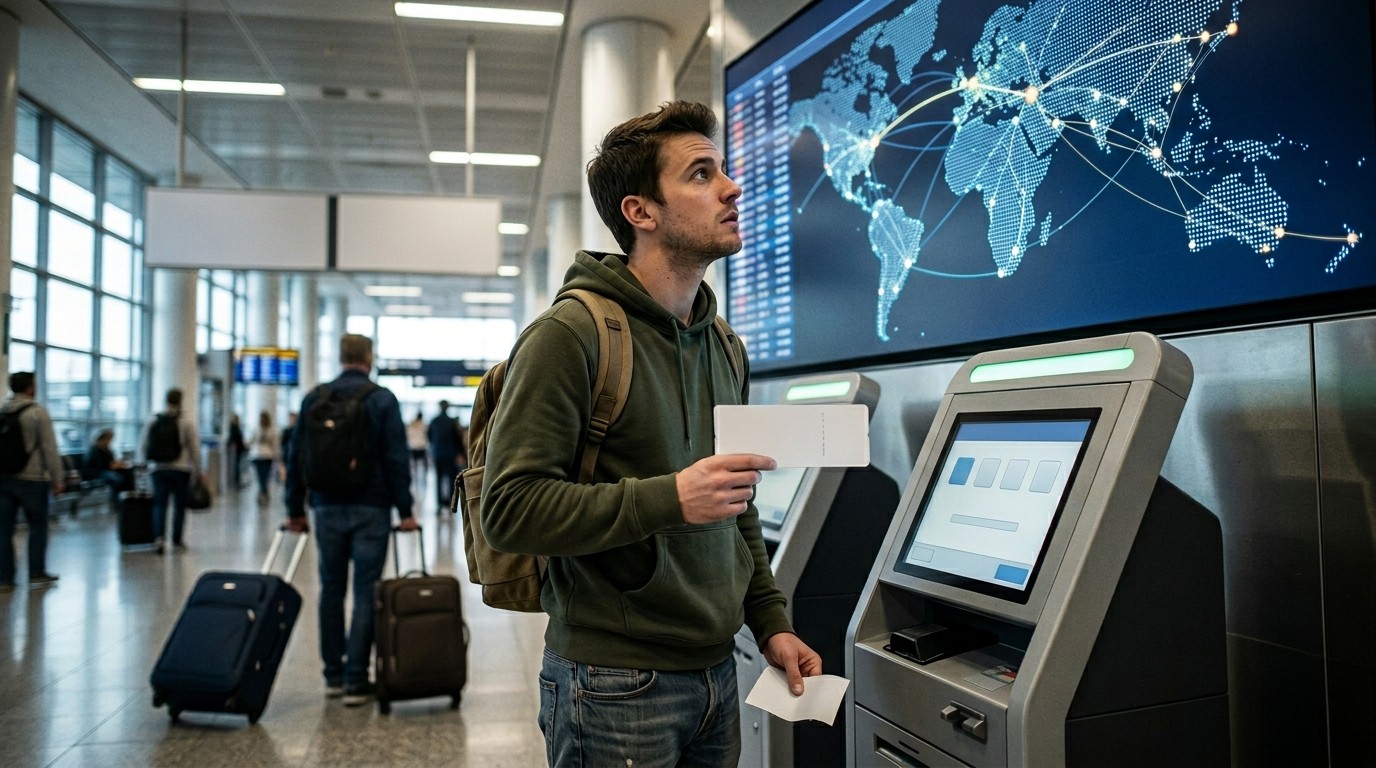
Hidden City Ticketing only looks possible because airline pricing does not always follow straightforward distance logic. Sometimes a longer route to a farther city is cheaper than a shorter route to an intermediate city. That can happen because the airline wants to fill a specific flight, compete on a route, or steer demand through a hub. Once the price mismatch exists, the hidden-city idea appears.
The route structure matters. A flight with one or more connections may look like a single product to the traveler, but internally it is part of a larger revenue system. Airlines are not simply selling seats from point A to point B. They are managing network flow. That is why a cheap fare from City A to City C with a stop in City B can occasionally undercut the fare from City A to City B directly.
This structure does not automatically make Hidden City Ticketing safe or smart. It only explains why the idea exists. The airline’s pricing logic may create the opportunity, but the airline’s contract and operational policies determine the consequences. That distinction is crucial because many travelers focus on the price and ignore the rules that govern the ticket itself.
Understanding this dynamic helps travelers make better decisions. If the route network creates odd pricing, then the real question becomes whether there are safer ways to capture value. Often there are. Flexibility, date shifting, nearby airports, and fare alerts can all reduce cost without the side effects that Hidden City Ticketing may produce.
The hidden costs behind the apparent savings
At first glance, Hidden City Ticketing seems to offer a direct discount. In reality, the savings may come with costs that are harder to see. If the traveler checks a bag, the bag usually continues to the final ticketed destination, not the hidden-city stop. That means the strategy becomes difficult or impossible to use with checked luggage. If the traveler is carrying only a small personal item, the tactic is more feasible, but the risk still remains.
There is also the issue of itinerary collapse. Airlines may cancel the remaining segments if one leg is skipped. That can affect return flights, future connections, or award-related conditions. So Hidden City Ticketing can save money on one segment while creating a second problem later in the same trip. A traveler who only sees the first savings may miss the future cost.
Another cost is flexibility. If weather, delays, or schedule changes occur, the entire route may be affected. The more complicated the itinerary, the more fragile it becomes. Hidden City Ticketing may look like a clever one-time choice, but travel plans are rarely one-time events. They are chains of connected decisions. One weak link can make the whole chain less useful.
There is also a reputational cost with some airlines. Frequent use of Hidden City Ticketing can draw attention and may lead to policy enforcement. Even if a traveler believes the tactic is harmless, the airline may see it as a contract violation. That difference in perception can be expensive. A savings of one trip may not be worth the long-term friction if a loyalty account or booking pattern gets flagged.
Human behavior and the psychology of risk
Travel Psychology And Risk Management helps explain why Hidden City Ticketing feels appealing even when the downsides are obvious. People do not evaluate risk only through numbers. They also evaluate it through emotion, timing, pressure, and mood. When a person is tired, annoyed by fares, or stressed about budget, a shortcut can feel more rational than it is.
That is why this topic is not just about airfare. It is about judgment under pressure. Hidden City Ticketing often appears after a traveler has already been comparing routes for a long time. Frustration builds. The mind starts treating any cheaper option as a win, even when the fine print is unfavorable. In that mental state, the desire to save can overpower the habit of checking consequences.
This is where Severe Flight Anxiety Psychology Hacks also become relevant for a different reason. Travelers who feel anxious about flying may search for control in whatever form they can find. Sometimes the control comes from seat choice, early boarding, or extra planning. Sometimes it comes from risky fare tactics. The deeper need is usually the same: reducing uncertainty. Recognizing that need helps travelers avoid confusing anxiety relief with a genuinely good travel decision.
A good decision does not only reduce the price. It reduces the chance of regret. Hidden City Ticketing may lower the fare on paper, but if the traveler feels tense the entire time or worries about being caught, the emotional burden continues throughout the journey. That ongoing stress is part of the true cost.
A practical comparison of options
Before choosing Hidden City Ticketing, it helps to compare it with safer alternatives. In many cases, travelers can lower fares without risking itinerary problems by using flexible dates, nearby airports, split bookings, or price monitoring tools. The better the comparison, the clearer the decision.
| Option | Potential savings | Main advantage | Main risk |
|---|---|---|---|
| Hidden City Ticketing | Sometimes high | Can create a lower fare | Policy issues, itinerary loss |
| Flexible dates | Moderate | Safe and simple | May require schedule changes |
| Nearby airports | Moderate | Often easy to use | Extra ground transport |
| Split booking | Moderate | More control | Connection risk on self-transfer |
| Flight Price Alerts | Moderate to high | Waits for better fare timing | Requires patience |
The point of this comparison is not to eliminate creativity. It is to show that Hidden City Ticketing is only one tool among several, and not always the strongest one. Often, the safer choice is only slightly more expensive while preserving flexibility and peace of mind. That tradeoff matters because travel value is not measured by ticket price alone.
A smart traveler should also compare the time cost. If a cheaper route requires more research, higher stress, and more risk of disruption, the savings may be smaller than they seem. Time is part of the budget. So is mental energy. Hidden City Ticketing can be clever in theory, but the practical value depends on whether it saves more than it costs in those other currencies.
Search habits that reduce bad decisions

Good fare searching changes the outcome before the booking even happens. Tools like a Google Flights Guide can help travelers compare route options, study calendars, and identify the exact pricing patterns that create unusual fare gaps. When the traveler can see the market clearly, the urge to gamble on a risky workaround often drops.
Flight Price Alerts are another safer habit. They let the traveler wait for a favorable fare instead of forcing an immediate choice. That patience is valuable because many impulsive booking decisions come from the fear that prices will rise again. Alerts soften that fear by creating a monitoring system. Hidden City Ticketing often becomes less attractive when the traveler has a structured way to watch prices without panic.
The real advantage of search discipline is that it turns the process from reactive to deliberate. Instead of jumping at the first strange fare pattern, the traveler can compare dates, airports, and cabin conditions calmly. That calm is useful because it protects against overpaying and against choosing a tactic just because it feels clever in the moment.
A strong search routine also creates a habit of asking better questions. Is the route actually cheaper after adding ground transport? Does the timing make sense? Would a one-stop itinerary create more risk than benefit? Hidden City Ticketing sometimes looks attractive only because the traveler has not yet asked those broader questions.
Operational risks that travelers forget
One of the biggest problems with Hidden City Ticketing is not the initial booking. It is everything that may happen after booking. If the first leg is delayed, the connection may be missed, which means the plan to exit at the stop city may fall apart before it even begins. Airline systems are designed to protect the ticketed itinerary, not the hidden-city intention.
Checked baggage is another major issue. Bags often travel to the final destination on the ticket, not the hidden stop. That means a traveler who planned to exit early could lose access to their luggage. Even if a bag arrives later and is retrieved somehow, the process can be inconvenient, risky, or impossible depending on the airline and airport setup.
Changes to the itinerary can also cause confusion. If the airline rebooks or swaps equipment, the route may no longer match the expected pattern. Hidden City Ticketing depends on a very specific chain of events, and real travel rarely stays that neat. Small operational changes can erase the benefit while leaving the traveler with the downside.
Customer service is another unpredictable layer. If something goes wrong, the traveler may need help, but the airline may view the booking through a policy lens that is not friendly to the hidden-city choice. That can make the resolution process slower or more complicated. So Hidden City Ticketing is not simply a price tactic. It is a wager on a system that can change without warning.
Ethical and policy questions
Some travelers see Hidden City Ticketing as harmless because they are paying for a valid ticket and simply not using the final segment. Others see it as a violation of the agreement they accepted when booking. That disagreement is part of why the topic stays controversial. The core issue is not just legality in a broad sense; it is the relationship between the fare, the contract, and the airline’s expectations.
From a practical standpoint, the traveler should understand that the ticket is sold as a complete itinerary. When someone plans to abandon part of it on purpose, the airline may interpret that as misuse of the fare structure. Even if the traveler feels justified by high prices, the airline’s policy still governs the transaction. That is why Hidden City Ticketing remains a risky choice.
Ethics matter because travel trust matters. Airlines expect passengers to follow the booking terms, and travelers expect airlines to provide a working itinerary at the purchased price. When either side tries to exploit a loophole, the relationship becomes tense. The traveler must decide whether the potential savings are worth operating in that gray zone.
This does not mean every traveler should avoid creative fare comparisons. It means the decision should be made with eyes open. Hidden City Ticketing is not a neutral trick. It sits in a space where cost savings, contract risk, and travel behavior collide. The smartest response is not blind approval or automatic rejection. It is informed caution.
When the tactic looks tempting but is still a bad fit
Hidden City Ticketing may appear attractive on routes with large fare differences, but that does not automatically make it useful. If the traveler needs a checked bag, has a complex return trip, or values absolute flexibility, the tactic becomes much less suitable. The theoretical savings can disappear once the practical details are added.
It is also a poor fit for travelers who are already stressed. When someone is rushing to the airport, balancing multiple plans, or nervous about flying, adding a rule-sensitive fare strategy can increase cognitive load. Hidden City Ticketing requires precision, and precision is hard to maintain under pressure. That alone makes it a bad match for many trips.
Another bad fit is loyalty-heavy travel. Travelers who depend on airline programs, status credits, or repeat-booking advantages may damage those benefits if they repeatedly ignore itinerary completion. The short-term savings may not compensate for the long-term relationship. So even if the route looks appealing, the bigger travel picture may say no.
There is also a family or group-travel issue. The tactic is simpler when a solo traveler is moving with minimal baggage. Once children, companions, or additional coordination enter the picture, the chances of inconvenience rise sharply. Hidden City Ticketing may still seem clever in theory, but theory does not carry luggage, manage delays, or soothe frustrated travel partners.
A better decision framework
A good decision framework asks four questions before using Hidden City Ticketing. First, how large is the savings after every extra cost is considered? Second, how likely is the itinerary to stay intact? Third, what happens if the airline changes the plan? Fourth, is the mental stress worth it?
That framework helps because it converts a tempting shortcut into a measurable choice. The more honest the answers, the easier the decision becomes. A small saving with high risk is usually not worth it. A larger saving on a simple route may look better, but the traveler still needs to consider baggage, return segments, and support if things go wrong.
The framework also pushes people toward safer alternatives when appropriate. If flexible dates, nearby airports, or fare alerts can produce most of the savings without the downsides, then Hidden City Ticketing may not be the best path. That is the kind of comparison a smart explorer should make.
The best travel decisions are usually the ones that look boring in hindsight. They are not dramatic hacks. They are sensible choices that preserve the trip. Hidden City Ticketing is dramatic by design, which is exactly why it needs scrutiny. If the trip can be improved in a cleaner way, the cleaner way usually wins.
Using alerts and timing instead of shortcuts
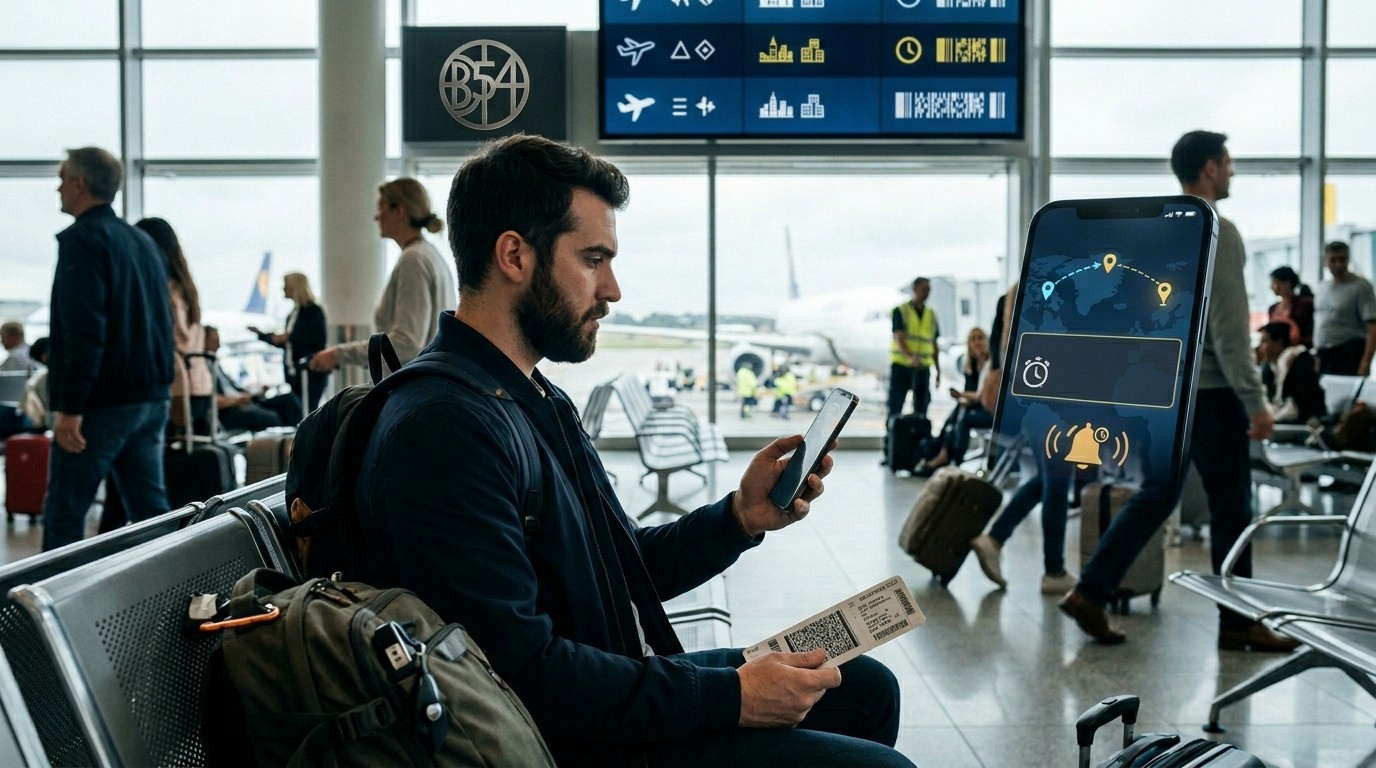
Travelers often forget how much timing changes fare behavior. A route may appear expensive today and reasonable next week. That is why Flight Price Alerts can be more useful than impulsive workaround strategies. They allow the traveler to monitor patterns and book when the market naturally improves.
Timing also reduces the emotional pressure that leads to risky decisions. When the traveler knows a fare is being watched, there is less fear of missing out. That calm is powerful because it reduces the feeling that a strange fare must be taken immediately. Hidden City Ticketing often becomes attractive in moments of urgency, so removing urgency can remove the temptation.
A structured search habit creates better long-term travel decisions. Rather than chasing unusual route behavior, the traveler can use market timing, date flexibility, and airport flexibility to get close to the same result. That is usually the wiser move because it preserves the trip’s stability.
The goal is not to eliminate savings. The goal is to obtain savings without turning the itinerary into a fragile puzzle. That is why many experienced travelers prefer monitoring and flexibility over fare tactics that depend on perfect execution.
Final evaluation : is it worth the risk?
Hidden City Ticketing may save money in some cases, but the risk profile is not small. It can disrupt baggage handling, cancel later segments, complicate support, and create account-level friction. The savings are also not guaranteed, because route changes, delays, and itinerary adjustments can erase the benefit.
The tactic is most tempting when airfare feels irrational and the traveler wants a smarter answer than the official fare. That emotional pull is real, but it should not be the only factor. A better decision weighs money, stress, flexibility, and future impact together. When those are considered honestly, the strategy often looks less attractive.
If the traveler is highly organized, flying light, and booking a route where the savings are meaningful enough to justify the risk, they may still decide the tactic is worth exploring. But that decision should come after comparison, not before. Hidden City Ticketing is not a casual trick. It is a tradeoff-heavy choice that deserves careful attention.
In most everyday cases, safer alternatives are enough. Use search tools, set alerts, compare nearby airports, and let timing work in your favor. That approach may not feel as dramatic, but it usually gives a better balance of price, comfort, and control.
Conclusion
Hidden City Ticketing looks clever because it exploits strange fare patterns, but clever does not always mean wise. The savings can be real, yet so can the risks: baggage problems, canceled segments, service complications, and unnecessary stress. Smart travelers should treat the tactic as a high-caution option rather than a default money-saving strategy. When you compare it with flexible dates, nearby airports, and alerts, the safer choices often deliver enough value without the hidden trouble. In travel, the best bargain is not always the cheapest fare. It is the one that gets you where you want to go with the least amount of friction, surprise, and regret.
Frequently Asked Questions (FAQ)
1. What is Hidden City Ticketing?
Hidden City Ticketing is a booking strategy where a traveler buys a flight with a layover and exits at the connection city instead of continuing to the final destination.
2. Why do people use Hidden City Ticketing?
People use Hidden City Ticketing because the ticket to the farther destination is sometimes cheaper than the ticket to the stop city they actually want.
3. Is Hidden City Ticketing legal?
The answer depends on the context, but it may violate the airline’s ticket rules and can lead to consequences such as canceled remaining segments or account restrictions.
4. What is the biggest risk?
The biggest risk is losing flexibility after the first leg, especially if delays, baggage checks, or itinerary changes interrupt the plan.
5. Can I use checked baggage with Hidden City Ticketing?
It is generally not a good fit for checked bags because luggage usually goes to the final ticketed destination, not the hidden stop.
6. What are safer alternatives?
Safer alternatives include flexible dates, nearby airports, split bookings, Flight Price Alerts, and using a Google Flights Guide to compare patterns.
7. Why does it feel so tempting?
It feels tempting because it offers a sense of control over high fares, and that emotional relief can be powerful when travelers feel price pressure.
8. What should I consider before trying it?
Consider the real savings, baggage risk, itinerary reliability, airline policy, and how much stress the strategy adds to the trip.
9. Does it affect return flights?
Yes, it can. If the itinerary is interrupted, later segments may be canceled or changed, which can affect the rest of the trip.
10. Is Hidden City Ticketing worth it?
For many travelers, the risk outweighs the savings. It may work in limited cases, but safer fare strategies are usually the better choice.