
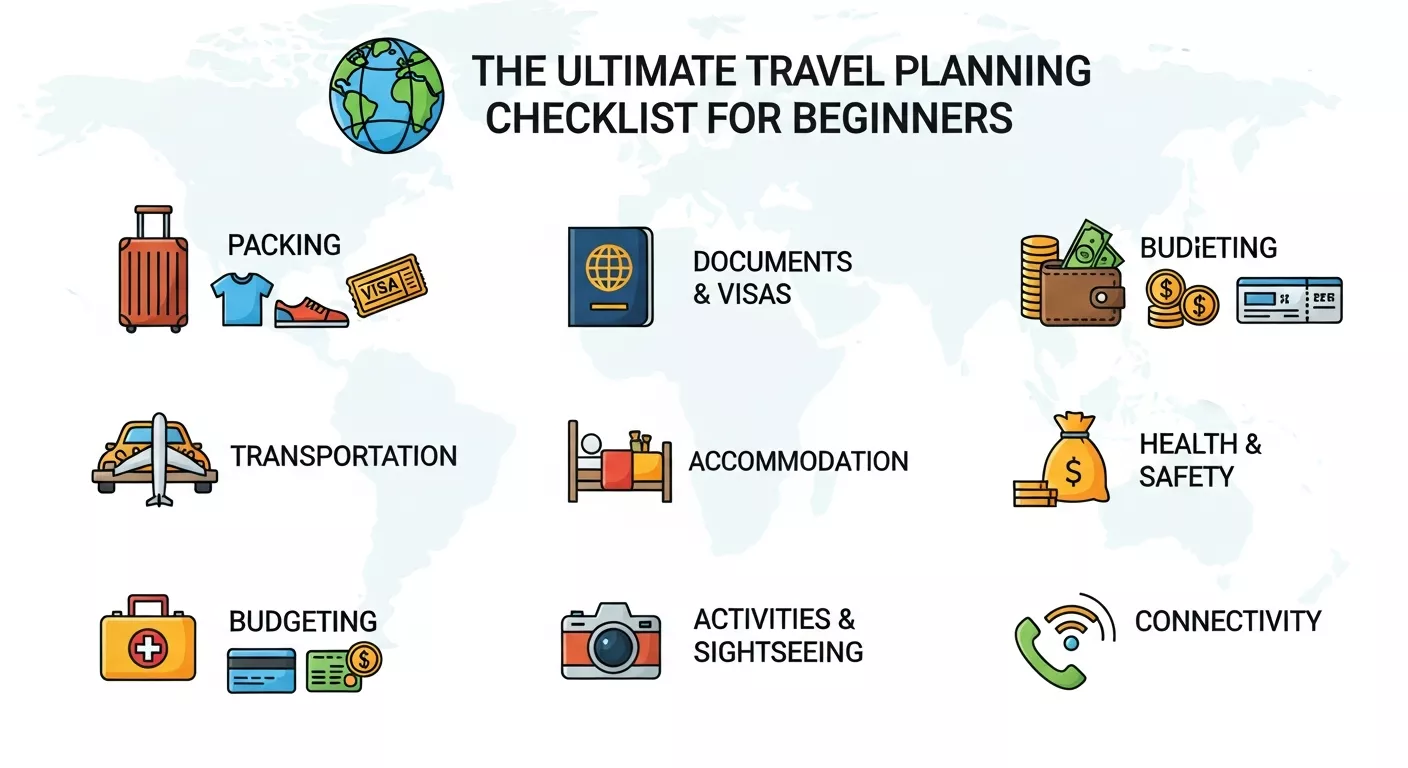
A travel planning checklist simplifies trip preparation by organizing flights, budget, itinerary, packing, and safety steps. It helps travellers stay stress-free, save money, and enjoy a well-structured journey.
Planning a trip can feel overwhelming, especially when you are staring at a blank screen, wondering where to begin. You know you want to go somewhere exciting, but the logistics of flights, accommodations, and budgeting quickly pile up. If you are not sure how to start planning a vacation, you are not alone. Many people struggle to keep their plans organized and stress-free.
A travel planning checklist is a comprehensive tool that helps you manage every detail of your upcoming trip. It breaks down the massive task of trip preparation into small, manageable steps. By following a structured approach, you ensure nothing falls through the cracks, from booking your flights to remembering your toothbrush.
What is a Travel Planning Checklist?
At its core, a travel planning checklist is a strategic timeline. It outlines exactly what you need to do and when you need to do it. Instead of leaving everything to the last minute, a good checklist spaces out your tasks over weeks or months. This prevents panic and allows you to secure the best deals on flights and hotels.
Using a checklist is highly recommended because it removes the mental burden of trying to remember every tiny detail. It also gives you a clear sense of progress as you check off items leading up to your departure date.
Step-by-Step Travel Planning Process
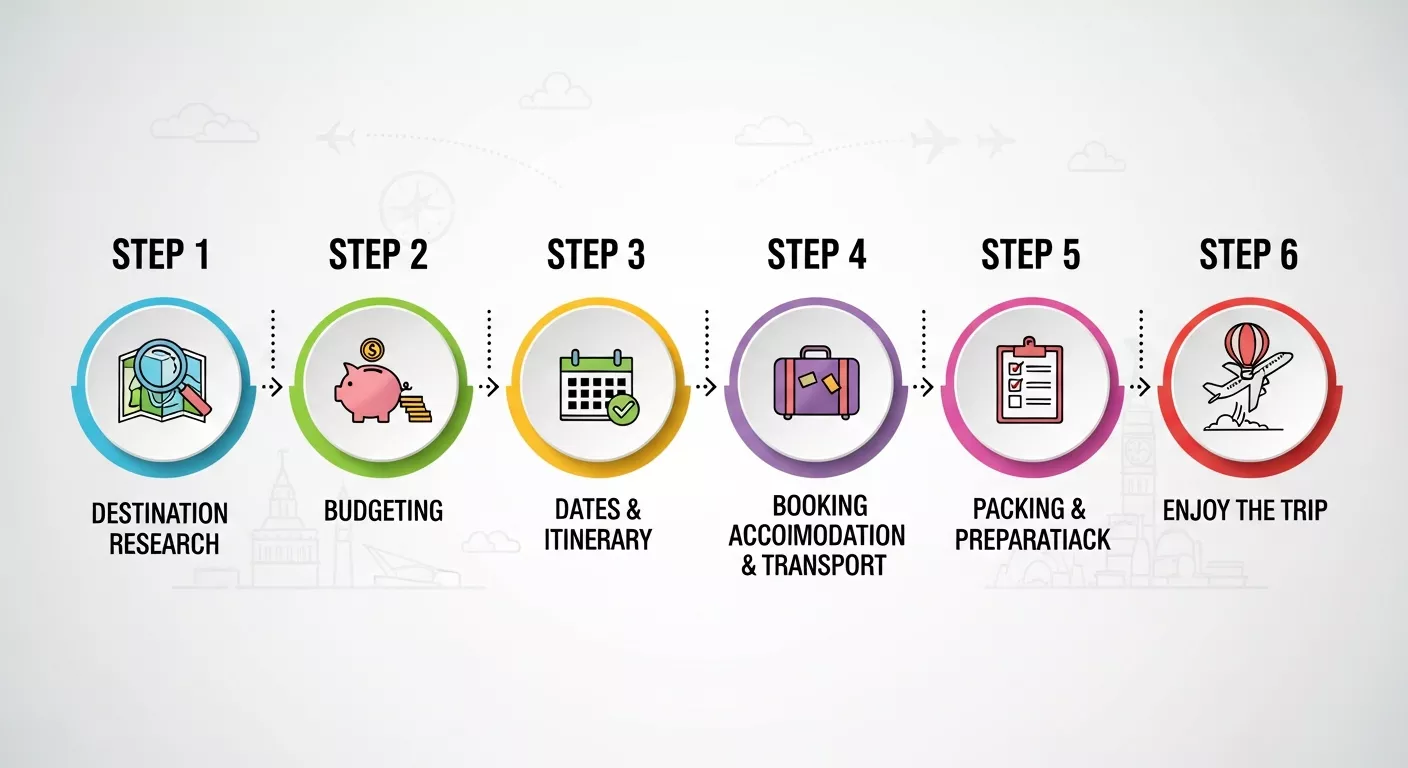
Organizing a trip requires a logical sequence of events. If you book tours before you secure your flights, you might end up paying a fortune for airfare that aligns with your non-refundable activity dates. Here is how to plan your trip in the right order.
How to Start Planning a Vacation
The first step is simply deciding where you want to go and when. Think about the type of experience you desire. Are you looking for a relaxing beach getaway, a culturally immersive city break, or an adventurous hiking expedition? Once you have a destination in mind, research the best time to visit based on weather, local festivals, and peak tourist seasons. Next, determine the length of your stay and request the necessary time off from work. Learn more about Ultimate Flight Booking Guide.
How to Plan a Travel Budget Step by Step
Figuring out how to plan a travel budget step by step is crucial to avoiding financial stress. Why travel budget planning is important comes down to peace of mind; knowing you can afford your trip makes the actual vacation much more enjoyable.
Start by figuring out exactly how much money you can realistically spend. Once you have your total number, divide it into major categories: flights, accommodation, food, transportation, activities, and a buffer for emergencies.
If you are wondering how to estimate travel costs, start by searching for average hotel rates and flight prices for your destination. Use travel blogs and forums to see what other travellers typically spend on food and local transport. If your estimated costs exceed your limit, look into how to save money while planning a trip. You might consider traveling during the shoulder season, staying in hostels or vacation rentals with kitchens, or opting for free walking tours instead of expensive excursions.
How to Plan a Travel Itinerary Step by Step
Creating a balanced schedule ensures you see the highlights without burning out. Knowing how to plan a travel itinerary step by step is the secret to a fulfilling vacation.
Begin by listing the top attractions and activities you absolutely cannot miss. Group these activities by location so you are not wasting time crisscrossing the city. Assign one or two major activities per day, leaving the rest of the time open for spontaneous discoveries and relaxation. Be sure to factor in travel time between locations and account for jet lag during your first couple of days.
How to Organize a Trip Properly: Logistics and Prep
With the fun parts decided, it is time to tackle the administrative side of your journey.
How to Prepare for a Trip Abroad
International travel requires a bit more paperwork than a domestic getaway. Start by checking your passport. Most countries require your passport to be valid for at least six months beyond your planned return date. Next, research visa requirements for your destination. Some countries offer visas on arrival, while others require a lengthy application process weeks in advance.
Do not forget about health precautions. Check if your destination requires specific vaccinations or medications. Finally, purchase comprehensive travel insurance. This protects your financial investment in case of trip cancellations, lost luggage, or unexpected medical emergencies abroad.
The Ultimate Packing Guide: What Should I Pack for a Trip?
Packing is often the most dreaded part of travel preparation. However, with the right strategy, it can be entirely painless.
How to Make a Packing List for Travel
The best way to ensure you have everything you need is to create a customized list. How to make a packing list for travel involves thinking about your daily itinerary. Write down the outfits you will need for specific activities, factoring in the local weather and cultural dress codes. Break your list down into categories: clothing, toiletries, electronics, documents, and miscellaneous items.
Essential Items for International Travel
When heading overseas, certain items are non-negotiable. Essential items for international travel include your passport, travel insurance documents, credit cards with no foreign transaction fees, universal power adapters, and any necessary prescription medications in their original bottles. It is also wise to carry a small amount of local currency for immediate expenses like taxis upon arrival.
Travel Packing Tips for Beginners
Many first-time travellers make the mistake of bringing their entire wardrobe. Knowing how to pack light for travel is a game-changer. Stick to a capsule wardrobe featuring versatile pieces in neutral colours that can easily be mixed and matched. Wear your bulkiest items on the plane, such as your heavy coat or hiking boots. Utilize packing cubes to compress your clothes and keep your suitcase organized.
What Not to Forget When Travelling
Even the most seasoned travellers leave things behind. What not to forget when travelling includes items like a portable power bank to keep your phone charged while navigating a new city, an empty reusable water bottle to fill up after airport security, and a pen for filling out customs forms on the plane.
Choosing the Right Destination
Selecting the right destination is one of the most important parts of travel planning. Start by considering your interests, budget, and travel season. Research whether the place matches your expectations for weather, safety, and activities. Some destinations are perfect for relaxation, while others are ideal for adventure or cultural exploration. Also, check flight availability and local costs before finalizing. Reading travel blogs and watching real traveller experiences can help you make a more informed decision. A well-chosen destination sets the tone for the entire trip and ensures a more enjoyable and memorable experience.
Booking Flights at the Right Time

Flight booking plays a major role in your travel budget. To get the best deals, start searching tickets early and compare prices on multiple platforms. Mid-week flights are often cheaper than weekend departures. Flexible travel dates can also help you save significantly. Avoid peak seasons unless necessary, as prices usually increase during holidays and festivals. Setting price alerts can help you track fare drops. Always double-check baggage policies and hidden fees before booking. Smart flight booking ensures you spend less money and have more budget left for experiences during your trip.
Understanding Accommodation Options
Choosing the right accommodation can greatly impact your travel experience. Options include hotels, hostels, guesthouses, and vacation rentals. Hotels offer comfort and services, while hostels are budget-friendly and social. Vacation rentals are great for families or long stays. Always check reviews, location, and amenities before booking. Staying near main attractions can save transportation time and costs. Safety and cleanliness should also be top priorities. Comparing different platforms helps you find better deals. The right stay not only improves comfort but also enhances your overall travel convenience and experience.
Local Transportation Planning
Understanding local transportation is essential for smooth travel. Research how people usually get around your destination—options may include buses, trains, taxis, ride-sharing apps, or metro systems. Many cities offer tourist travel cards that provide unlimited rides at a fixed price. Knowing transport costs in advance helps you avoid overspending. If you plan to rent a car, check the driving rules and license requirements. Always keep offline maps or navigation apps ready. Proper transport planning saves time, reduces stress, and allows you to explore your destination more efficiently.
Travel Safety and Emergency Preparation
Safety should always be part of your travel planning checklist. Before travelling, save important emergency contacts such as the local police, embassy, and your accommodation. Share your itinerary with a trusted person. Keep digital copies of your passport and documents in cloud storage. Avoid carrying all your money and cards in one place. Research common scams in your destination to stay alert. Learning basic local phrases can also help in emergencies. Being prepared for unexpected situations ensures peace of mind and allows you to enjoy your trip with confidence.
Staying Connected While Travelling
Staying connected during travel helps with navigation, communication, and safety. You can use international roaming, local SIM cards, or eSIM services depending on your destination. Free Wi-Fi is available in many hotels and cafes, but always use secure networks. Download essential apps like maps, translation tools, and booking apps before your trip. Offline maps are especially useful when internet access is limited. Having reliable connectivity ensures you can stay in touch with family, access important information, and manage your travel plans smoothly throughout your journey.
Capturing and Preserving Travel Memories
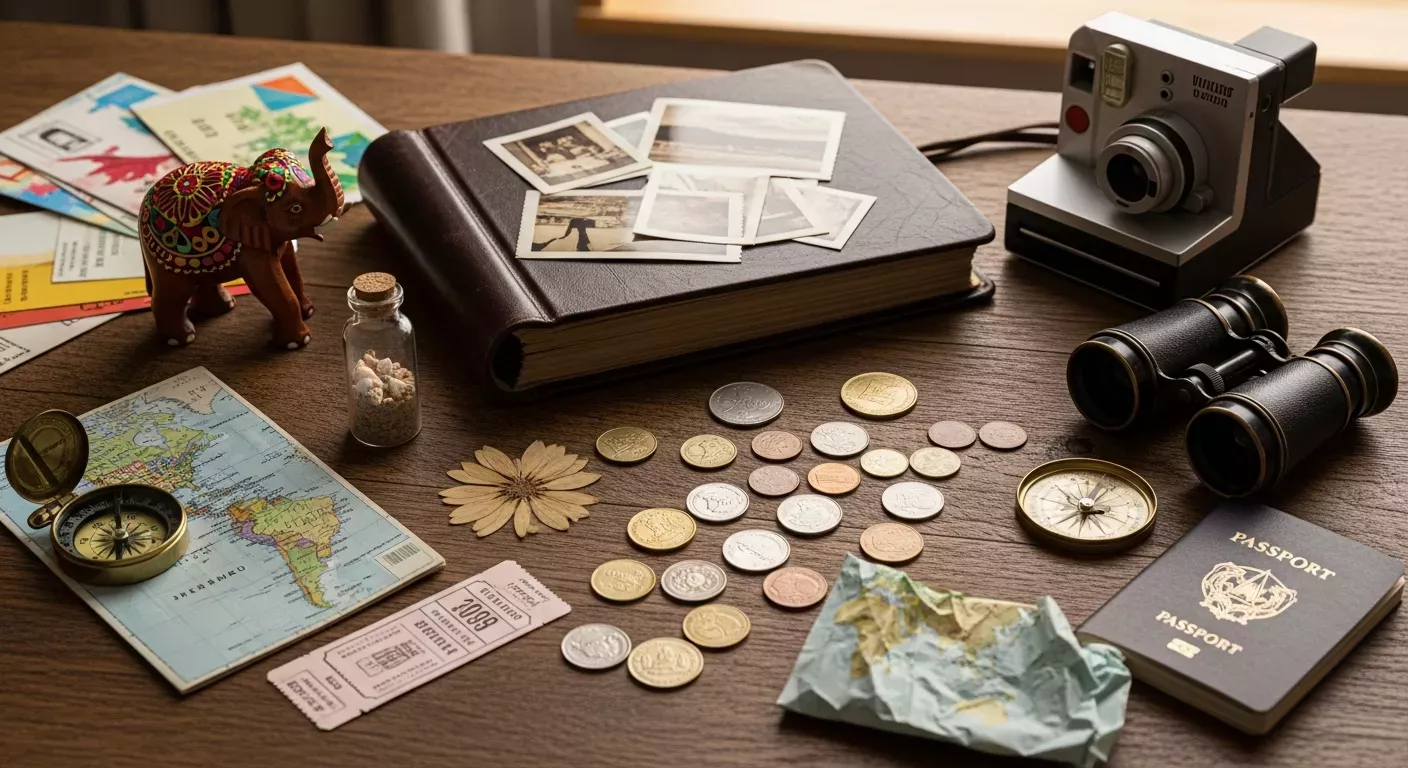
Travel is not only about visiting places but also about preserving memories. Take photos and videos of important moments, but also enjoy the experience without always staying behind the camera. Keep a small travel journal to note down experiences, emotions, and local discoveries. Collect souvenirs like postcards or local crafts to remember your journey. Organizing your photos after the trip helps you relive your adventure. Sharing your experiences through blogs or social media can also inspire others. Preserving memories makes your travel more meaningful and long-lasting.
Ready for Takeoff
Planning a trip should build anticipation, not anxiety. By relying on a travel planning checklist, you can confidently navigate the entire process from that initial spark of inspiration to the moment you step onto the plane. Following a step-by-step approach ensures your budget stays intact, your itinerary remains balanced, and your suitcase holds exactly what you need. Grab a notebook, start outlining your upcoming adventure, and get ready to experience the world.
FAQs
1. What is a travel planning checklist?
A travel planning checklist is a structured guide that lists all tasks needed before a trip. It includes booking flights, arranging accommodation, preparing documents, budgeting, packing, and planning activities. It helps travelers stay organized, avoid last-minute stress, and ensure nothing important is missed during preparation.
2. Why is a travel planning checklist important?
It is important because it reduces confusion and prevents forgetting essential tasks. Travel involves many details like tickets, hotels, and documents. A checklist ensures everything is completed on time, helps manage time efficiently, and reduces financial mistakes like expensive last-minute bookings.
3. How do I start planning a vacation?
Start by choosing your destination and travel dates. Research weather conditions, budget requirements, and attractions. Decide trip duration and check availability of flights and hotels. Once basics are set, move on to budgeting, itinerary planning, and document preparation step by step.
4. How do I create a travel budget?
Begin by setting your total spending limit. Then divide it into categories like flights, hotels, food, transport, activities, and emergencies. Research average costs for your destination and adjust your plan if expenses exceed your budget. Always include extra funds for unexpected situations.
5. What should be included in a travel itinerary?
A travel itinerary should include daily plans such as sightseeing, activities, transportation routes, and rest time. Group nearby attractions together to save time. It should also include flight details, hotel information, and emergency contacts for better organization and smooth travel.
6. What documents are required for international travel?
Important documents include a valid passport, visa (if required), travel insurance, flight tickets, hotel booking confirmations, and identification cards. Some countries may also require vaccination certificates. Always keep both physical and digital copies of your documents for safety.
7. How can I pack efficiently for a trip?
Create a packing list based on your destination and weather. Choose versatile clothing, avoid overpacking, and use packing cubes for organization. Carry essentials like documents, chargers, medications, and toiletries. Wearing bulky items during travel also helps save luggage space.
8. When is the best time to book flights?
The best time to book flights is usually several weeks or months in advance. Mid-week bookings often offer lower prices. Avoid peak travel seasons if possible. Using fare alerts and comparing multiple websites helps find cheaper deals.
9. How do I stay safe while traveling?
Stay safe by keeping emergency contacts, sharing your itinerary, and storing digital copies of documents. Avoid carrying all valuables together and stay aware of local scams. Learning basic local phrases and purchasing travel insurance also increases safety.
10. Why is travel insurance necessary?
Travel insurance protects you from unexpected situations like trip cancellations, medical emergencies, or lost luggage. It reduces financial risks and gives peace of mind during your journey. It is especially important for international travel where medical costs can be high.