
Safe trips start long before takeoff. Good planning, the right shots, and a calm timeline reduce illness risk, prevent panic, and help every journey feel smoother, healthier, and more confident.
Travel Vaccinations are not just a checklist item; they are part of a smarter travel mindset that protects your trip, your family, and your long-term health too. When people plan flights, hotels, and itineraries, they often forget that health risks can change from one country, climate, and season to another. The most comfortable journey can become stressful if a preventable infection interrupts the experience. That is why Travel Vaccinations deserve the same attention as passports, insurance, and packing lists.
They also work on a psychological level. Travelers feel more relaxed when they know they have reduced avoidable risks before boarding the plane. That calm matters because confidence improves decision-making, lowers stress, and helps people enjoy the journey more. In that sense, Travel Vaccinations support both physical safety and mental comfort.
If your goal is a healthy trip, remember that Travel Vaccinations are only one part of the picture. Sleep, hydration, safe food habits, and good timing all matter. Still, immunization is one of the most effective defenses you can put in place before departure, especially for destinations where hepatitis, typhoid, yellow fever, Japanese encephalitis, or rabies may be a concern.
Why prevention matters before departure
Travel Vaccinations are most effective when they are planned early, not rushed at the airport the day before departure. Some vaccines require more than one dose. Others need time for your body to build protection. A traveler who waits too late may leave with incomplete coverage or no coverage at all. That is why timing is just as important as the shot itself.
Travel Vaccinations help reduce the chance that a minor exposure becomes a major disruption. A stomach infection, a mosquito-borne illness, or a vaccine-preventable fever can ruin an otherwise perfect itinerary. Travelers often focus on hotel comfort and sightseeing convenience, but health surprises tend to cost far more than a well-planned clinic visit.
Travel Vaccinations are especially important for international trips, extended stays, adventure travel, volunteering, business travel, and visits to family in regions with different disease patterns. A person spending two weeks in a resort area may need a different plan from someone trekking, backpacking, eating street food daily, or staying in rural housing.
Travel Vaccinations are not only about disease prevention; they are also about reducing uncertainty. When a traveler knows the health basics are covered, the trip feels less fragile. That mental ease matters because travel is already full of change, delays, and unfamiliar routines. The less worry you carry, the easier it becomes to adapt and enjoy the experience.
Start with a destination risk check

Travel Vaccinations should always be matched to the destination, not chosen from a generic list. The same country can have different risks depending on the region, season, altitude, rural exposure, and length of stay. A coastal city, a jungle trail, and a border town may not share the same health profile.
That planning becomes easier when you ask a few practical questions: Where are you going? How long will you stay? Will you visit rural areas? Will you eat from local markets? Will you handle animals? Will you travel during rainy season? These details shape the health advice you need.
Travel Vaccinations can also depend on your departure country. Some destinations require proof of yellow fever vaccination if you are arriving from an affected region. Others may only recommend vaccines based on risk. That means a traveler should check both destination requirements and transit rules before booking a clinic appointment.
A good destination review should also look at the style of travel. City business trips, resort breaks, backpacking routes, and remote volunteer work all create different health realities. Travel Vaccinations are not just about where the dot on the map is located; they are about how close you will be to medical care, clean water, safe food, and reliable transport if something goes wrong.
A simple planning model
Travel Vaccinations are easiest to manage when you work backward from departure.
- 6 to 8 weeks before travel: review destination risks, update routine vaccines, and book a travel clinic visit.
- 4 to 6 weeks before travel: receive multi-dose vaccines if needed and discuss medications for motion sickness, altitude, or malaria prevention when relevant.
- 2 to 4 weeks before travel: finish remaining doses, review side effects, and confirm documents.
- 1 week before travel: pack health items, copies of records, and mosquito protection tools.
- Day of travel: keep hydration, food safety, and rest in mind.
Travel Vaccinations may still help if your trip is close, so do not assume it is too late to benefit. Even partial protection can be valuable, and some destinations have recommended shots that can still be given on short notice.
Travel Vaccinations also work better when the rest of the trip is organized. A clean schedule means fewer missed appointments and fewer last-minute mistakes. If you are juggling visas, flights, work deadlines, and packing, use a reminder system so the health side of the journey does not get forgotten.
Common vaccines travelers may need
Travel Vaccinations differ by location, age, medical history, and exposure risk. Some are routine shots that many adults should keep current. Others are destination-specific and may only be advised for certain regions or travel styles.
| Vaccine type | Why it may matter | Common examples of use |
|---|---|---|
| Routine vaccines | Protect against everyday infections that still affect travelers | Tetanus, diphtheria, pertussis, measles, mumps, rubella, flu, COVID-19 |
| Food and water related | Helpful where sanitation or food handling is uncertain | Hepatitis A, typhoid |
| Blood and body fluid related | Important for longer stays or higher exposure risk | Hepatitis B |
| Mosquito-borne or region-specific | Considered for tropical or rural destinations | Yellow fever, Japanese encephalitis |
| Animal exposure related | Useful for cave trips, remote areas, or animal contact | Rabies |
| Other special cases | Recommended in specific travel or outbreak situations | Cholera, meningococcal vaccines |
Travel Vaccinations should never be copied blindly from another traveler’s itinerary. One friend may need almost nothing while another needs several doses because of age, destination, transit, occupation, or planned activities.
Travel Vaccinations also need to be balanced with your medical background. Pregnancy, immune conditions, allergies, and chronic illness can change which vaccines are suitable. A clinic visit is not just about getting shots; it is about building a safe plan that fits your body.
Travel Vaccinations become especially useful when a traveler understands the difference between “recommended” and “required.” Required vaccines are tied to entry rules or formal documentation. Recommended vaccines are based on risk. Both matter, but they are not the same thing, and knowing the difference can save confusion, money, and time.
Routine protection comes first
Travel Vaccinations often begin with routine immunization status. Many travelers assume they are already covered, but that is not always true. Childhood vaccines can fade in relevance if boosters are overdue. A small gap in routine coverage can create unnecessary risk on the road.
Travel Vaccinations should include a check of tetanus, measles, influenza, COVID-19, and other standard immunizations recommended for your age group and health situation. Measles, in particular, can spread in crowded airports, public transport, and tourism hubs. Routine vaccines matter because travel increases contact with large numbers of people from many places.
Travel Vaccinations also support group travel. Families, tour groups, and business teams benefit when everyone is protected because one sick person can affect an entire schedule. The cost of prevention is usually far lower than canceling tours, paying for treatment abroad, or losing work days after return.
Travel Vaccinations should be viewed as a foundation rather than a separate category. A traveler who is current on routine protection starts from a stronger position. That makes destination-specific decisions easier because the basic health layer is already in place.
Destination-specific protection
Travel Vaccinations become more specialized when the destination has known disease patterns. Hepatitis A is often discussed for places where food and water hygiene may be inconsistent. Typhoid may matter in similar settings, especially if you plan to eat casually or travel beyond major hotels. Yellow fever is important in certain regions and may also be required for entry in some cases.
Travel Vaccinations for rabies may be worth discussing if you will spend time in remote areas, work with animals, visit caves, or travel where medical care is far away. Even a small dog scratch or bite can become serious if proper care is delayed. The question is not whether every traveler needs every shot; the question is whether your itinerary makes exposure more likely.
Travel Vaccinations can also include Japanese encephalitis for longer stays in parts of Asia where mosquito exposure is significant, especially in rural or agricultural settings. Meningococcal vaccination may be important for some pilgrimages, dorm-style housing, or outbreak situations. Cholera vaccination is less common but may be considered in special contexts.
Travel Vaccinations for these risks are not a sign that a place is “bad” or unsafe. They are a sign that smart travelers adjust to local conditions. That attitude respects the reality of the destination while helping you stay healthy enough to enjoy it properly.
How to think about risk honestly
Travel Vaccinations work best when travelers assess risk realistically instead of emotionally. Some people overestimate risk because they read one alarming story. Others underestimate it because they feel healthy or think “nothing will happen to me.” Smart planning sits in the middle.
Travel Vaccinations are not about fear; they are about probability. If a disease is unlikely, a vaccine may not be necessary. If the possible harm is severe and the exposure chance is meaningful, prevention often makes sense. A travel clinician can help translate general recommendations into decisions that match your route, activities, and time frame.
Travel Vaccinations also make more sense when you understand personal exposure. A safari, a volunteer clinic placement, a mountain trek, a conference stay, and a family visit do not carry the same health profile. The right recommendation depends on what you will actually do, not just where your flight lands.
Food, water, and mosquito habits still matter
Travel Vaccinations protect against several major threats, but they do not replace everyday precautions. Hand hygiene, food choices, insect protection, and safe drinking water practices still matter. A traveler who gets the right vaccine but ignores basic habits can still become ill.
Travel Vaccinations pair well with common-sense safety. Drink treated or sealed water when needed. Be careful with raw foods in uncertain settings. Use repellent, long sleeves, and mosquito nets where appropriate. Avoid unnecessary contact with stray animals. These habits reduce exposure while vaccines reduce the impact if exposure occurs.
Travel Vaccinations should be part of a layered defense, not a one-step solution. Think of them as the strong lock on the door, while hygiene and food safety are the extra bolts. Together they make the system much harder to break.
Travel Vaccinations also work best when travelers do not rely on luck. Many avoidable illnesses start with small choices: skipping handwashing, trusting unsafe ice, or ignoring bug bites at dusk. The vaccine plan gives you a stronger starting point, but daily habits keep that protection meaningful throughout the trip.
What to expect at a travel clinic
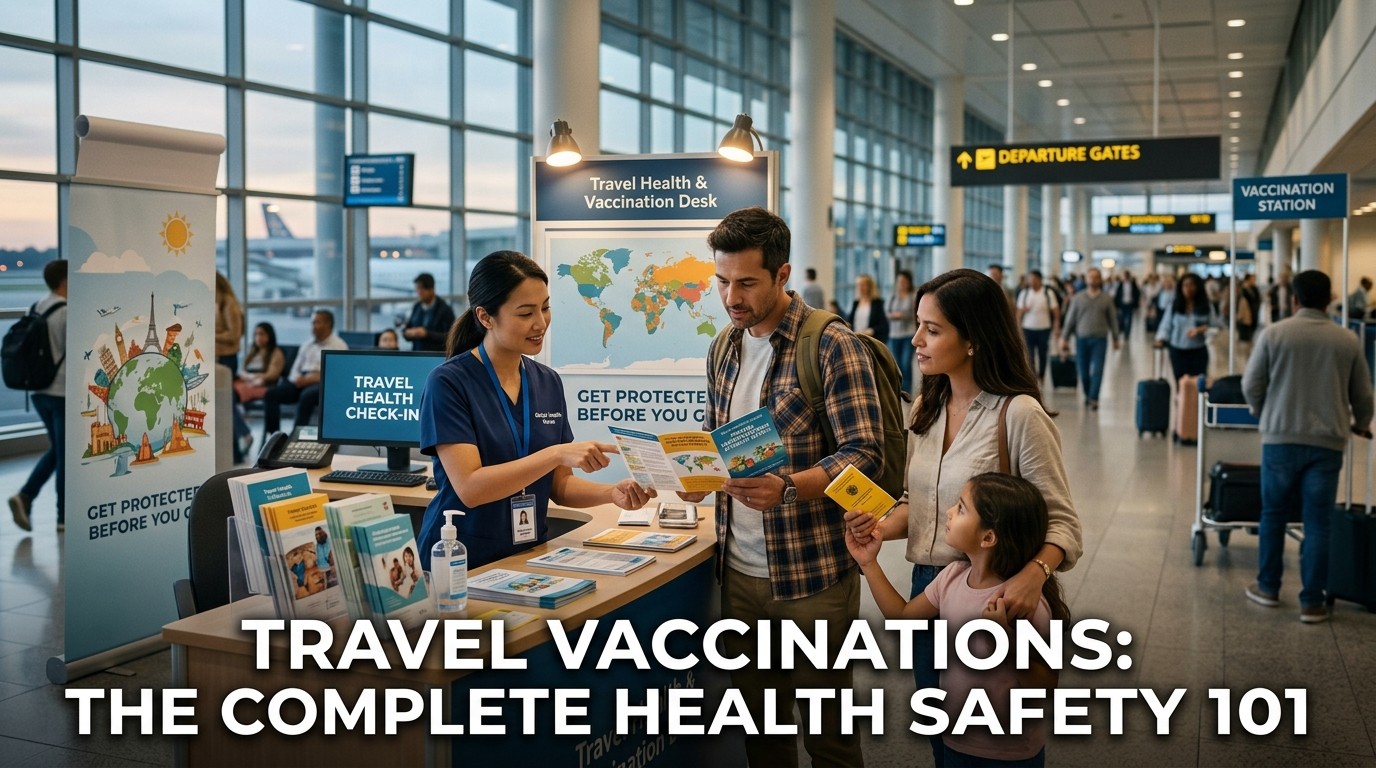
Travel Vaccinations usually begin with a health review. The clinician may ask where you are going, what you will do there, how long you will stay, and what vaccines you received in the past. Bring your records if possible. If you do not have them, be honest. The clinic can still help.
Travel Vaccinations appointments often include one or more of the following: a review of routine vaccine status, destination-specific recommendations, advice for malaria prevention, motion sickness options, diarrhea prevention guidance, and documentation if a certificate is needed. The best clinics also explain side effects so you are not surprised later.
Travel Vaccinations may be given in a series, and that means planning matters. Some people need more than one appointment. Others may need a booster. The earlier you start, the more flexible your options become. Last-minute travel does not erase all benefit, but early action makes the experience easier.
Travel Vaccinations visits are also a chance to ask simple questions that make a big difference later. Ask what matters most for your exact route. Ask which shots are urgent and which are optional. Ask how long protection takes to build. Ask whether any of your usual medicines might affect the plan. A few minutes of clarity can prevent weeks of worry.
Questions worth asking
Travel Vaccinations are more useful when you ask practical questions instead of vague ones. Ask which risks are highest for your exact itinerary. Ask which vaccines are required versus recommended. Ask whether you need a certificate. Ask what side effects to expect. Ask what to do if you are traveling before a dose series is complete.
Travel Vaccinations planning should also cover medication interactions, allergies, and any condition that affects immunity. If you have recently been sick or have ongoing treatment, your clinician may adjust the timing. A little conversation now can prevent stress later.
Travel Vaccinations are easier to trust when you leave the clinic with clear notes rather than memory alone. Write down the names of vaccines, dates, and any follow-up steps. That record becomes useful not only for this trip but for future travel too.
Special groups need tailored advice

Travel Vaccinations are not one-size-fits-all for children, pregnant travelers, older adults, or people with chronic medical conditions. A child may need age-appropriate doses. A pregnant traveler may need a careful review of what is safe. An older adult may need extra attention to routine boosters. Someone with an immune condition may need a different vaccine plan altogether.
Travel Vaccinations for families deserve special attention because a trip is often only as smooth as the least prepared traveler. Parents should verify that children have their routine vaccines up to date before international travel. Family trips also create more chances for exposure in airports, buses, rest stops, and crowded attractions.
Travel Vaccinations for business travelers are often underestimated. A short trip can still include restaurant meals, taxi rides, conferences, and close indoor contact. You do not need a month-long expedition to justify protection. Even a brief trip can involve enough exposure to make preparation worthwhile.
Travel Vaccinations for adventure travelers may be more extensive because hiking, camping, diving, cycling, rural homestays, and wildlife viewing all increase contact with natural environments. The more remote the route, the more valuable prevention becomes. Health care access may also be slower when you are far from major cities.
Travel Vaccinations should also be adapted to your level of independence. If you are going with a group, someone else may handle logistics, but your body still needs the right protection. If you are traveling solo, the ability to prevent avoidable illness becomes even more valuable because there may be no one nearby to help organize care.
How timing affects protection
Travel Vaccinations are most useful when your body has time to respond. Many travelers think vaccination works instantly, but immunity usually develops over days or weeks. Some vaccines need multiple doses before they are fully effective. That delay is one of the main reasons early planning is so important.
Travel Vaccinations also make it easier to handle side effects calmly. Mild soreness, fatigue, or a low fever can happen after some shots. When you know what to expect, those symptoms feel less alarming. That kind of reassurance matters because anxiety often grows in the absence of clear information.
Travel Vaccinations should ideally be paired with a pre-trip schedule. Use calendar reminders, phone alerts, or a travel notebook. When the trip feels exciting, details are easy to forget. A small system prevents missed doses, rushed clinic visits, and avoidable panic.
Travel Vaccinations work best when the last week before departure stays calm. If possible, do not stack your vaccine appointments, packing, work deadlines, and airport preparations all on the same day. Spreading the tasks out gives you more space to notice any reaction and more confidence that everything is handled.
Managing side effects without overreacting
Travel Vaccinations can cause mild, temporary reactions, and that does not mean something is wrong. Some soreness, redness, tiredness, or a low-grade fever can happen as the immune system responds. Most effects are short-lived and manageable with rest, fluids, and simple comfort measures.
Travel Vaccinations should not be skipped out of fear of minor side effects. It helps to compare short-term discomfort with the inconvenience of getting sick on the road. A few hours of soreness at home is usually easier than days of illness in an unfamiliar place.
Travel Vaccinations become less stressful when you plan around them. Do not schedule the shot right before a major meeting, a packed sightseeing day, or a long-haul flight if you can avoid it. Give yourself a little breathing room so you can monitor how you feel.
Travel Vaccinations also feel easier when someone sets realistic expectations. A mild reaction does not mean the vaccine failed, and no reaction does not mean it did nothing. What matters is the long-term protection and the reduced risk during the trip.
Travel psychology and practical comfort
Travel Vaccinations can reduce hidden travel stress. Many people worry quietly about getting sick abroad but never say it out loud. Once they are vaccinated and informed, they often feel more in control. That sense of control improves the whole trip because the mind is not constantly scanning for danger.
Travel Vaccinations also support better enjoyment of unfamiliar places. When you are not preoccupied with health fear, you can focus on meals, conversations, landscapes, and experiences. A calmer mind remembers more, adapts better, and handles small disruptions with less frustration.
Travel Vaccinations fit well with planning for rest and recovery too. For example, if you are comparing Eco Travel vs Traditional Travel, the slower, more intentional rhythm of eco-conscious trips often leaves more room for health planning and local awareness. If your itinerary includes Top Best Eco Friendly Travel Destinations, you may spend more time in nature, which makes mosquito protection and preventive health even more relevant.
Travel Vaccinations can also make long flights feel easier from a mental standpoint. When people search for Jet Lag Cure ideas, they often want a sense of control after long-distance travel. Good pre-trip health planning supports that feeling because it reduces one more source of uncertainty.
Travel Vaccinations and Flight Anxiety Tips are connected in an indirect but important way. Anxiety often grows when a traveler feels unprepared. A clear vaccine plan, a record of what was done, and a simple health checklist can reduce that pressure and make the journey feel safer from the start.
Travel Vaccinations fit naturally into a broader travel routine that includes sleep, hydration, and realistic pacing. The more your plans reduce chaos, the easier it becomes to adjust to time zones, weather changes, and unfamiliar food schedules once you arrive.
Packing a health kit that complements vaccines
Travel Vaccinations should be paired with a small but smart health kit. Include hand sanitizer, blister care, basic pain relief if suitable for you, oral rehydration salts, insect repellent, sunscreen, and any prescription medicines you require. This is not about carrying a pharmacy; it is about being ready for common inconveniences.
Travel Vaccinations become more valuable when your kit supports them. For example, insect repellent backs up mosquito-borne disease prevention. Oral rehydration salts help if stomach upset occurs. A thermometer can make it easier to tell whether you are dealing with a minor reaction or something that needs medical review.
Travel Vaccinations are only one part of travel readiness, but they are one of the few parts that must happen before departure. You can buy sunscreen at your destination. You cannot always fix vaccine timing after you leave.
Travel Vaccinations also work better when your health kit is easy to access. Keep important items in your carry-on, not buried in checked luggage. If you are delayed, rerouted, or separated from your bags, the essentials should still be with you.
When proof or certificates matter
Travel Vaccinations sometimes involve documentation. Some countries may ask for proof of yellow fever vaccination, especially if you are arriving from a risk area. Certain institutional trips, volunteer programs, or long-term placements may also request records. A certificate is not always required, but when it is, missing paperwork can create delays.
Travel Vaccinations records should be kept both physically and digitally. Save photos or scans in a secure place. Keep clinic receipts or vaccine cards with your passport documents. If you travel often, a single organized record saves time on future trips and prevents repeated guesswork.
Travel Vaccinations documentation matters because travelers do not always remember exact dates, brand names, or booster schedules years later. A good record protects you from confusion and helps clinicians make better decisions next time.
Travel Vaccinations documents are also useful if your plans change unexpectedly. You may enter a different country, extend your trip, or join a side excursion with different exposure risks. When the record is organized, the next decision becomes faster and easier.
Common myths that create bad decisions
Travel Vaccinations are sometimes avoided because of myths. One myth is that “healthy people do not need them.” Healthy people can still get infected. Another myth is that “I will only be there for a few days.” Short trips can still involve meaningful exposure. A third myth is that “if I feel fine now, I am protected already.” Feeling well is not the same as being immune.
Travel Vaccinations are also misunderstood when people assume every shot is required for every country. That is not true. Some vaccines are recommended, some are required, and some are unnecessary. The goal is not to overload yourself; the goal is to match protection to actual risk.
Travel Vaccinations should be seen as a customized plan, not a universal package. That mindset helps travelers avoid both overdoing it and underdoing it.
Travel Vaccinations become more sensible when myths are replaced by specific facts. The right question is not, “Do I need every vaccine?” The better question is, “Which risks are realistic for this trip, and what can I do now to lower them?”
Building the right mindset before the trip
Travel Vaccinations are a strong example of prevention over panic. The best travel mindset is calm, practical, and prepared. Instead of waiting for a problem, you reduce the odds of one. That approach saves money, time, energy, and stress.
Travel Vaccinations also reflect respect for the places you visit. When you prepare well, you are more likely to travel responsibly, protect local communities, and avoid becoming a medical burden to destination health systems. Prevention is personal, but it also has a wider impact.
Travel Vaccinations support freedom. The more confident you feel about health risks, the more freely you can enjoy your itinerary. That freedom is one of the hidden rewards of preparation.
Travel Vaccinations can also improve decision-making during the trip itself. A traveler who has already planned ahead is less likely to make rushed choices or skip basic hygiene when tired. Good preparation often shows up as calmer behavior later.
A practical pre-trip checklist
Travel Vaccinations are easier to manage with a simple checklist.
- Review destination risks.
- Check routine vaccines.
- Book a clinic visit early.
- Ask about required documents.
- Ask about side effects and timing.
- Pack records and medicines.
- Add mosquito and hygiene protection.
- Reconfirm plans before departure.
Travel Vaccinations should be one item on a larger wellness checklist. Sleep enough before travel. Hydrate during transit. Eat carefully in uncertain settings. Rest on arrival when possible. The vaccine plan works best when the rest of your travel habits support it.
Travel Vaccinations become easier to remember when the checklist is written down instead of kept in your head. A visible list lowers stress because it turns a long, abstract process into a short set of practical actions. That kind of structure is especially useful during busy travel weeks.
Deeper planning for longer or riskier trips

Travel Vaccinations become even more important when a trip lasts longer or involves more exposure. Backpackers, volunteers, students, remote workers, and people visiting family abroad often spend more time outside tourist zones. That means more opportunities for exposure to foodborne illness, mosquito-borne illness, and contact with local health systems.
Travel Vaccinations for these travelers should be reviewed early and documented clearly. In longer trips, a missed dose can matter more because there is more time to encounter risk. In remote regions, a serious illness may also be harder to treat quickly. Prevention therefore has extra value.
Travel Vaccinations are not meant to make travel feel dangerous. They are meant to make travel feel manageable. A well-prepared traveler can be adventurous without being careless.
Travel Vaccinations are especially helpful when the plan includes multiple countries. Different borders may bring different entry rules and different exposure patterns. A route that looks simple on a map can still involve a complex health profile once you factor in transit, climate, and local conditions.
The role of calm, informed choices
Travel Vaccinations help travelers make decisions with less emotion and more clarity. That is important because travel planning can easily become overwhelming. There are flight prices, packing lists, weather changes, visa rules, and activity decisions. Health planning should simplify life, not add confusion.
Travel Vaccinations work best when you keep the process simple: learn the destination risk, get the right guidance, complete the doses on time, and keep your records. Small, consistent actions create real protection.
Travel Vaccinations also remind us that good travel is not just about where you go. It is about how prepared you are when you get there. Preparation turns uncertainty into confidence, and confidence makes the journey better.
Travel Vaccinations are worth thinking about as a form of travel insurance for your body. They cannot prevent every problem, but they lower the odds of the problems that are most likely to disrupt a trip. That balance of protection and practicality is what makes them so valuable.
Conclusion
Travel Vaccinations are one of the smartest investments you can make before any trip because they protect health, reduce anxiety, and keep your plans from being derailed by avoidable illness. The best approach is simple: check your routine status, match vaccines to the destination, start early, and follow practical hygiene habits after arrival. When vaccines are combined with good sleep, safe food choices, mosquito protection, and organized records, the trip becomes safer and calmer. That is the real value of preparation: more freedom, fewer surprises, and a healthier experience from departure to return.
Frequently Asked Questions (FAQ)
1. When should I start planning Travel Vaccinations?
Start 6 to 8 weeks before departure when possible. That gives you time for appointments, multi-dose vaccines, and any follow-up guidance.
2. Do all travelers need the same Travel Vaccinations?
No. Travel Vaccinations depend on destination, trip length, activities, age, medical history, and whether you will visit rural or high-risk areas.
3. Are routine vaccines important for travel?
Yes. Travel Vaccinations often begin with routine protection such as measles, tetanus, flu, and COVID-19 because airports and transit hubs expose you to many people.
4. What if my trip is very soon?
You may still benefit from Travel Vaccinations even if you are leaving soon. Some protection is better than none, and a clinician can help prioritize the most important shots.
5. Do Travel Vaccinations prevent all illness abroad?
No. Travel Vaccinations lower the risk of specific infections, but they do not replace hygiene, food safety, safe water habits, or mosquito protection.
6. Can I travel right after getting vaccinated?
Usually yes, but timing depends on the vaccine and your reaction to it. Travel Vaccinations are best when planned early enough to allow your body time to build protection.
7. What documents should I keep?
Keep your vaccine card, clinic notes, and any certificate that may be required. Travel Vaccinations records should be stored both physically and digitally if possible.
8. Are side effects normal?
Mild soreness, fatigue, or low fever can happen. These Travel Vaccinations reactions are usually temporary and manageable, but seek medical advice if symptoms seem severe or unusual.
9. Do I need a travel clinic for every trip?
Not always, but it is often helpful. Travel Vaccinations advice is most useful when the destination has specific disease risks or when your medical history needs tailored guidance.
10. Why are Travel Vaccinations worth the effort?
Because prevention is usually cheaper, calmer, and safer than treating illness abroad. Travel Vaccinations protect your health, your time, and your travel experience.