
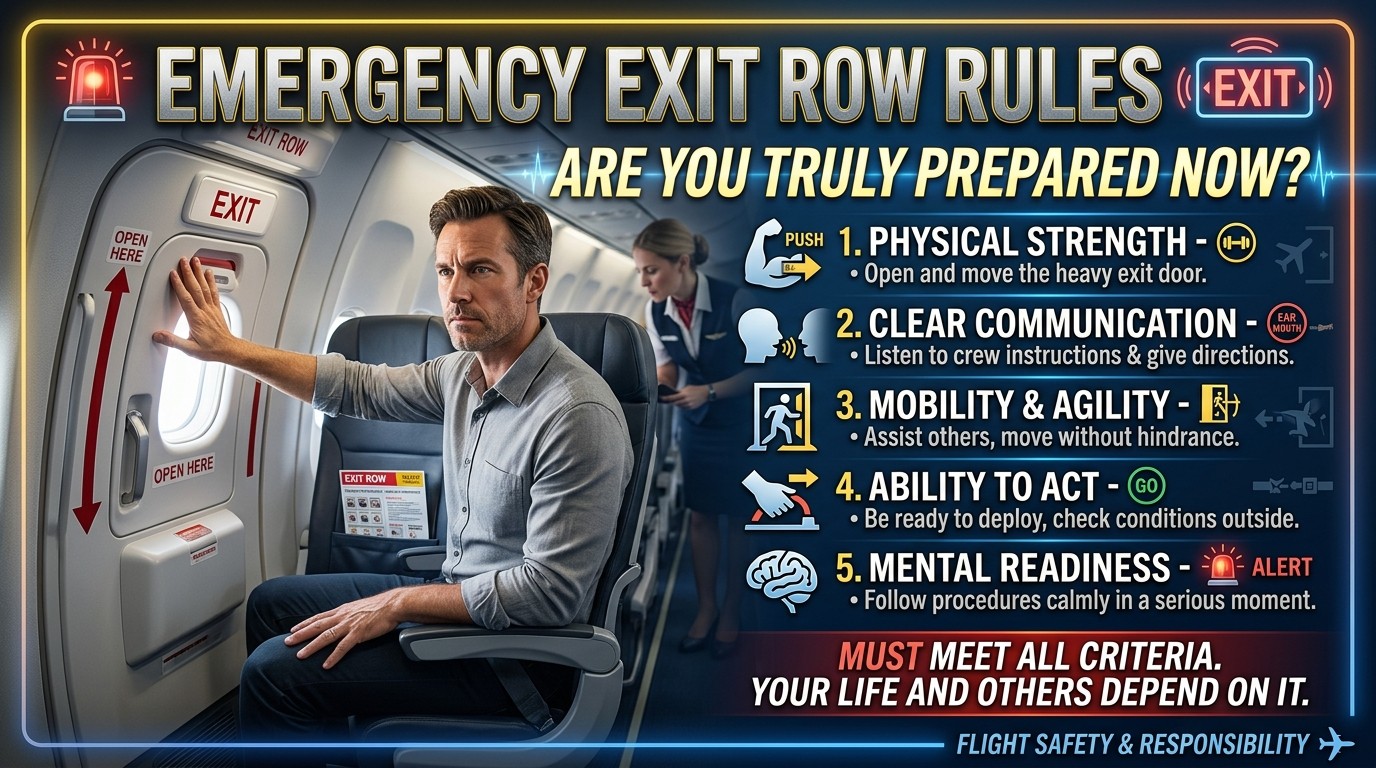
Emergency Exit Row Rules are not a comfort perk; they are a safety responsibility that matters because exit-row passengers may need to help with an evacuation. Read the seat like a duty, not a bonus.
Emergency Exit Row Rules exist because an exit-row passenger may be called on to help if a crewmember is unavailable. Under U.S. FAA rules for part 121 carriers, the passenger seated there must be able to understand instructions, operate the exit, assess hazards, and move away safely. That is the legal baseline, and it is the reason the seat is screened so carefully.
For many travelers, the row looks attractive because of extra legroom and a bit more space. But Emergency Exit Row Rules turn that seat into a role, not just a place to sit. If you think about the seat only as a comfort upgrade, you miss the main point: the airline is assigning part of the cabin’s evacuation plan to the person in that row.
That is why it helps to know the rules before you board. If you understand what the seat requires, you can decide calmly instead of being surprised at the gate or during boarding. This guide explains the rule set, what the crew is checking, why airlines add their own standards, and how to decide whether you are truly ready for the responsibility.
Why the exit row exists
Emergency Exit Row Rules are built around one goal: speed during an evacuation. The FAA says exit-seat passengers may need to locate the exit, recognize the opening mechanism, follow instructions, assess whether opening the door creates extra danger, stow or secure the door, stabilize the slide, and choose a safe path away from the aircraft. Those tasks are why the seat is treated differently from the rest of economy.
That list may sound severe, but it is grounded in aviation history. The FAA’s reauthorization report explains that exit-seat criteria were shaped by past accidents in which evacuation delays played a role in fatalities. In other words, Emergency Exit Row Rules exist because the industry learned that getting the right person in the right seat can matter in a real emergency.
The practical lesson is simple. If the airplane ever needs a fast evacuation, the exit row cannot be treated like a normal seat. Emergency Exit Row Rules are the system that keeps the row functional when time is short and judgment matters.
What the FAA actually requires
Emergency Exit Row Rules in the United States are anchored in 14 CFR 121.585. The regulation requires airlines to place passenger information cards at exit seats and to describe the functions a passenger may need to perform if crew assistance is not available. Those functions include finding the exit, understanding the opening mechanism, operating it, judging the hazards, following oral directions and hand signals, and moving through the exit safely.
The FAA also says carriers must verify exit-seat suitability through multiple stages, including ticketing, check-in, boarding, and before pushback or taxi. That means Emergency Exit Row Rules are not checked only once. The airline is expected to keep watching for whether the passenger in that seat still meets the criteria right up to departure.
That repeated checking is important because suitability can change. Someone may have looked fine at booking but later show a condition, responsibility, or situation that could interfere with evacuation duties. Emergency Exit Row Rules are therefore part of an active safety process, not a one-time reservation detail.
How airlines add their own criteria
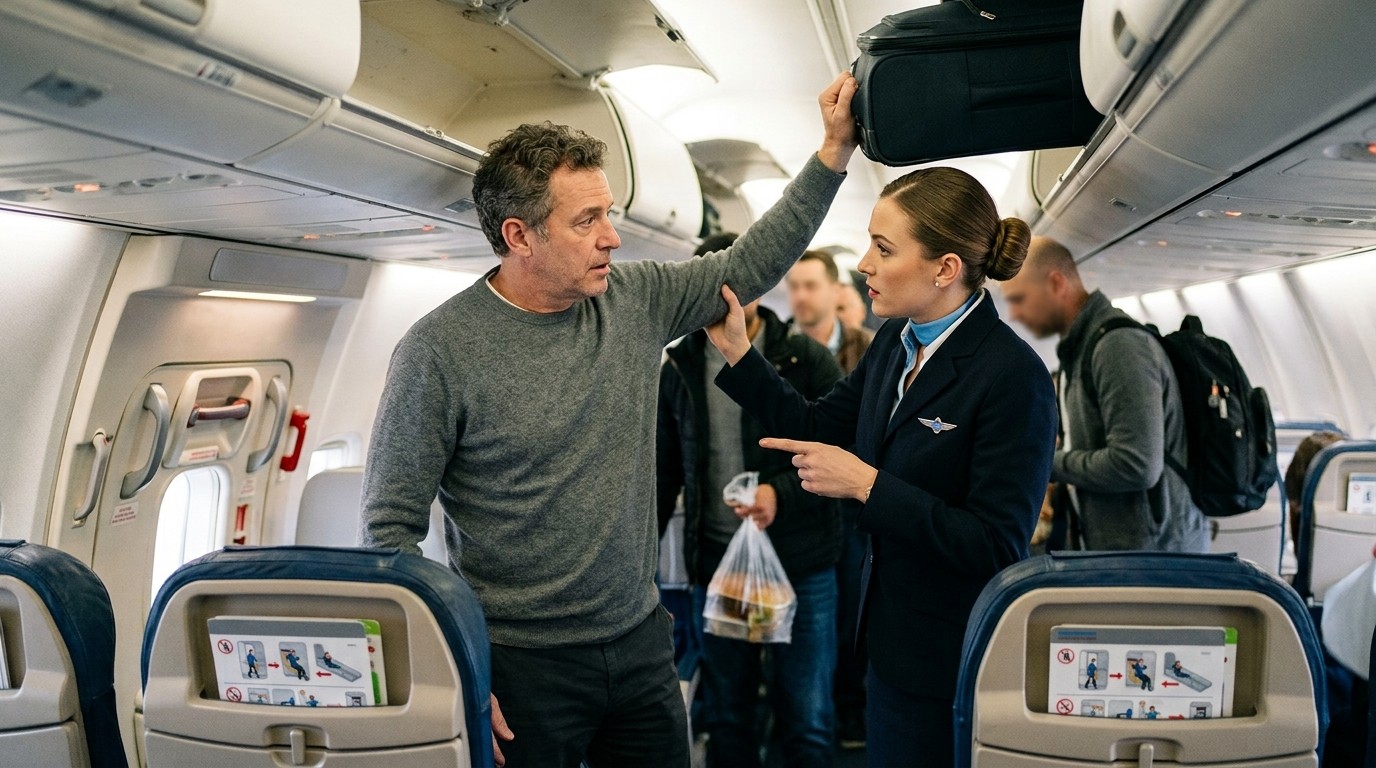
Emergency Exit Row Rules do not stop with the FAA baseline because airlines often add their own eligibility standards. British Airways currently says exit-row passengers must be over 12, willing and able to help in an emergency evacuation, in full fitness, and able to understand printed and verbal instructions in English. Southwest says passengers seated there must have sufficient strength, mobility, and dexterity in both arms, hands, and legs. Delta treats exit-row seats as Preferred Seats and notes that if safety cannot be ensured, travel may not be permitted.
That variation is why Emergency Exit Row Rules can feel inconsistent if you compare one airline with another. The broad idea is the same, but the exact screening language can differ. A passenger who qualifies on one carrier may not qualify on another, especially when the carrier adds age, language, mobility, or assistance requirements on top of the law.
The safest habit is to check the specific airline policy before you decide on the seat. Emergency Exit Row Rules are always tied to the exact carrier’s standards, and airlines reserve the right to reseat someone who does not meet those standards at boarding or before departure.
What the crew is doing before takeoff
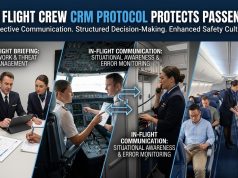
Emergency Exit Row Rules are only one side of the cabin’s safety picture. The other side is the crew’s workflow. FAA material says carriers use controls at ticketing, check-in, boarding, and before takeoff to make sure the passengers in exit seats understand the responsibilities and can perform the required tasks if an emergency arises. That means the crew is constantly checking readiness, not just asking one question and moving on.
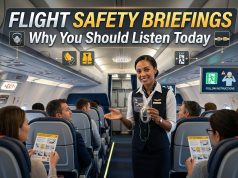
That is also why flight safety briefings matter so much. They are not routine theater. They are the moment when written rules become live reminders for real people in real seats. If a passenger in the exit row listens carefully, the aircraft gains another layer of readiness. If the passenger tunes out, the airline loses part of the system it is trying to protect.
How Flight Crews Keep You Safe becomes easier to notice once you know what to look for. A reseat request, a repeated check, a reminder from the gate, or a follow-up before pushback may feel minor, but those small actions are exactly how the airline reduces the chance of confusion later.
What you must be able to do
Emergency Exit Row Rules are not vague about the passenger’s role. The FAA’s list is practical: locate the exit, recognize the opening mechanism, understand instructions, open the exit, assess the danger of opening it, follow crew directions, secure the door, stabilize the slide, pass through quickly, and move away safely. That is a lot to ask from one seat, and the airline is entitled to assume you can do it without hesitation.
That means the seat is not just for someone who looks physically fit at a glance. A passenger must also be able to process instructions quickly and cooperate immediately. If someone needs special help, is distracted by caring responsibilities, or might freeze under pressure, the row may not be a good fit. Emergency Exit Row Rules exist to keep the evacuation chain intact, not to reward people with extra space.
A good self-check is brutally simple. Can you act fast, follow directions, and assist without delay? If the honest answer is uncertain, another seat is the smarter choice. Emergency Exit Row Rules are about capability under pressure, not about comfort during cruise.
Who should avoid the row
Emergency Exit Row Rules are meant to screen out passengers who might not be able to help in an emergency. FAA guidance and airline policies both point toward reseating anyone who is likely unable to perform the required functions. That can include passengers with mobility limits, those who cannot understand the instructions, travelers with responsibilities that could slow them down, and anyone who may need assistance during evacuation.
The wording may vary by airline, but the safety logic is consistent. If you might need help yourself, you probably should not be the one expected to help others at a door. Emergency Exit Row Rules are designed to protect the entire cabin from a mismatch between task and passenger.
That is especially true when a passenger is traveling with a child or is otherwise likely to be distracted by a responsibility that can interfere with immediate action. The FAA report explicitly notes that responsibilities such as caring for small children can prevent someone from performing the required exit-seat functions.
Why the seat is more serious than it looks
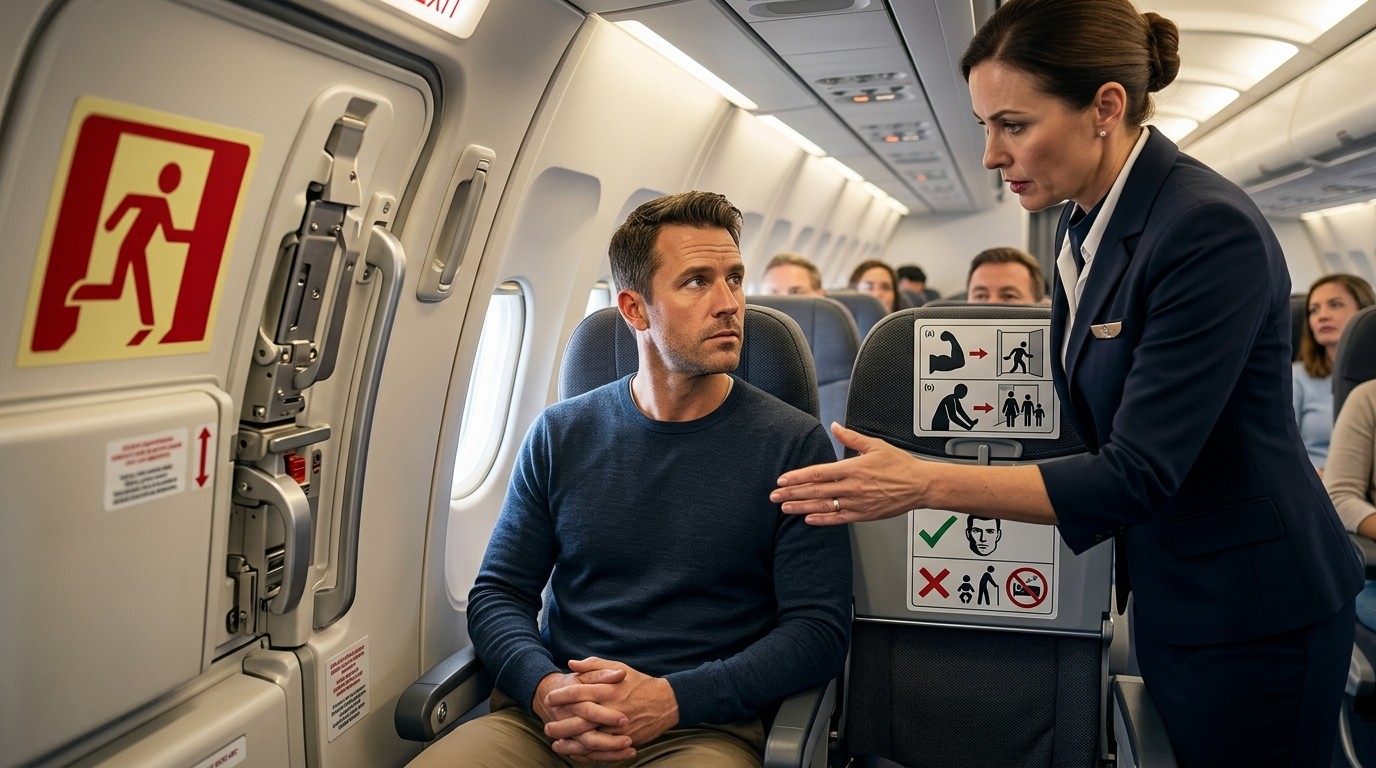
Emergency Exit Row Rules are easy to underestimate because the row often looks like a perk. The extra legroom is real, and airlines like Delta and British Airways market exit-row or preferred seats as desirable options. But the comfort benefit is tied to a readiness expectation, and that expectation is not optional.
That is where the psychology of booking matters. People often grab the more spacious seat first and read the rules later. The problem is that the rules are the seat’s real price. Emergency Exit Row Rules make the seat valuable only for passengers who can honestly carry the responsibility without panic, hesitation, or confusion.
If you are the type of traveler who wants simplicity, that is a valid reason to choose a regular seat. The row should fit the traveler, not force the traveler to fit the row. Emergency Exit Row Rules reward awareness, not bravado.
How to prepare before boarding
Emergency Exit Row Rules are much easier to handle when you decide early. Read the airline’s exit-row policy, think honestly about your own ability to assist, and do not assume your previous flights mean you still qualify today. A body can be fine for one trip and not ideal for the next, especially after injury, illness, fatigue, or stress.
Pay attention to the seat location, the door type, and the briefing cards. FAA rules require passenger information cards at exit seats, and those cards exist for a reason. They are a quick reminder of the tasks you may be asked to perform. If you understand them before takeoff, you are far more likely to respond calmly if the unexpected ever happens.
Flight Safety Briefings become more useful when you know the row’s purpose. Instead of hearing a generic reminder, you hear a reminder that is directly tied to your seat. That makes the message more memorable and helps you treat the row as part of the aircraft’s safety system rather than as an upgraded economy seat.
Why speed matters in an evacuation
Emergency Exit Row Rules exist because in a crisis, a few seconds can change the outcome. The FAA’s report on exit rows explains that the purpose of the requirements is to maximize the chance of safe evacuation, and the agency links the rules to past incidents where evacuation delays mattered. When an exit seat is occupied by someone ready and willing to act, the whole flow can be faster and less chaotic.
If the wrong passenger is sitting there, the effect can ripple outward. The door may take longer to operate, instructions may not be understood quickly, or the exit may remain blocked while crew members try to correct the problem. That is exactly the kind of delay Emergency Exit Row Rules are built to prevent.
That is why the airline cares so much about the row before the plane leaves the gate. A small issue on the ground can become a major issue in the air, so the crew tries to solve it early. Emergency Exit Row Rules are the preflight fix for a very serious in-flight problem.
How the rules protect everyone on board
Emergency Exit Row Rules are not only about the passenger in the row. They are about the whole cabin. If the exit row is staffed by someone who can help effectively, everyone else benefits from a better chance of a smooth evacuation. That is why the FAA says the criteria are intended to improve the likelihood of survival.
The rule also protects against false confidence. A passenger who thinks the row is just extra legroom may not pay close attention when the crew needs help. The policy corrects that misunderstanding by making the responsibility explicit. Emergency Exit Row Rules turn a hidden safety expectation into a visible one.
That transparency is good for trust. When passengers know the rules, they are less likely to feel singled out and more likely to cooperate. The cabin becomes safer when everyone understands why the row is different.
Planning mindset for more complex trips
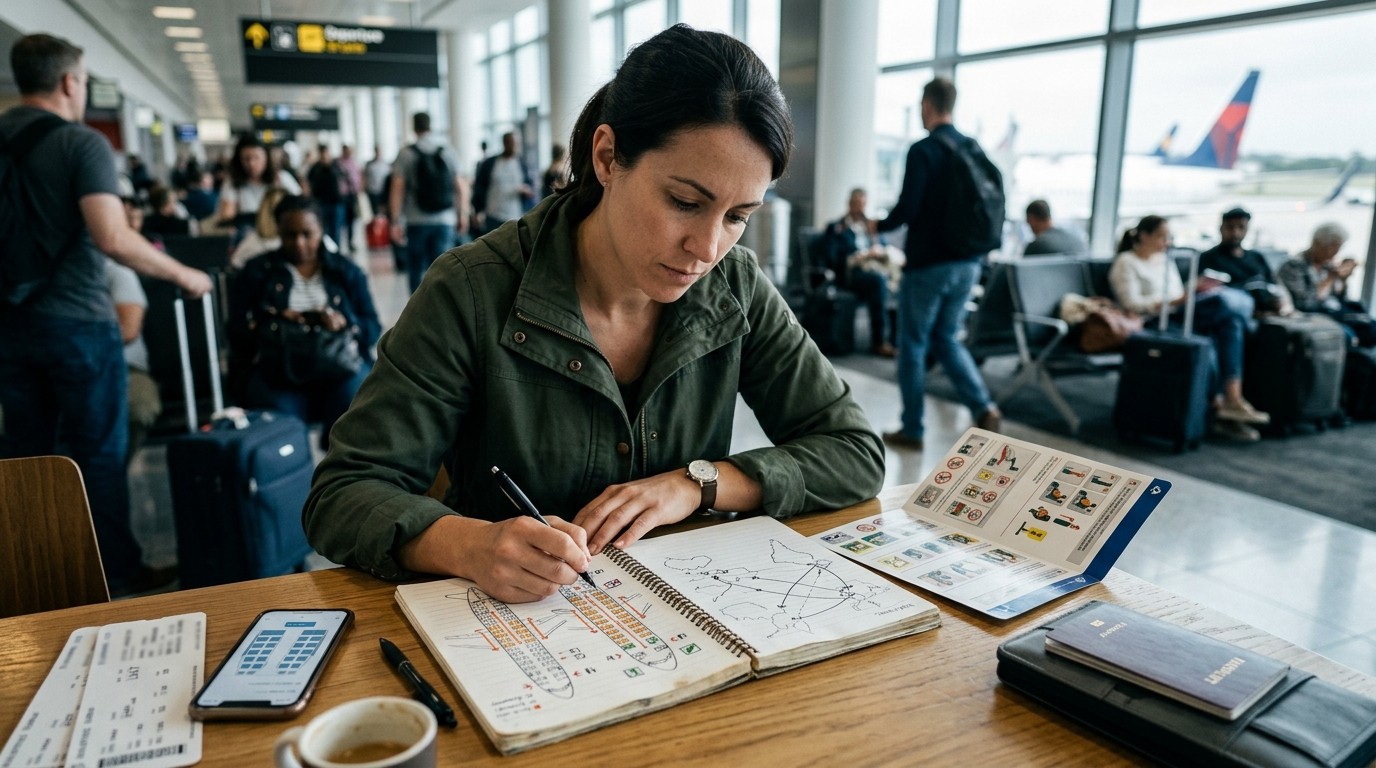
Emergency Exit Row Rules fit into a wider travel mindset: expect more, plan better, and leave less to chance. That is the same logic behind Adventure Travel Insurance, which protects travelers from high-cost events that can happen far from easy care. A careful traveler thinks ahead about both cabin safety and destination risk rather than assuming luck will cover everything.
That planning mindset is also similar to a Flight Risk Management Guide approach. You look at the trip, the aircraft, the seat, the route, the physical demands, and the likely surprises before you commit. The goal is not fear. The goal is calm preparation. Emergency Exit Row Rules make more sense when you treat them as part of the same responsible planning habit.
A traveler who plans carefully tends to board more confidently. They know their seat choice matches their ability, their understanding, and their willingness to help. That is a far better way to fly than hoping the airline will quietly handle a mismatch later.
Common myths that cause confusion
Emergency Exit Row Rules are often misunderstood because people repeat a few false ideas. One myth is that the row is simply “first come, first served.” In reality, the airline can and does verify whether you are suitable, and the FAA expects carriers to reseat passengers who are not likely able to perform the required tasks.
Another myth is that if you can understand the rules, you must be eligible. Understanding is only one part. You also need the physical ability, the willingness to assist, and the capacity to act under pressure. Emergency Exit Row Rules are broader than a language check or a quick glance.
A third myth is that the crew will handle everything no matter what. The crew plays a central role, but the exit-row passenger is still part of the system. The whole design depends on shared action if the aircraft ever needs a fast evacuation.
The cleanest readiness test
Emergency Exit Row Rules become easiest to understand when you ask one direct question: can I do what the seat asks of me, immediately and without assistance? If the answer is yes, the row may be fine. If the answer is maybe, probably not, or not today, the safer choice is another seat.
That test sounds simple because it should be. The seat is a safety role disguised as a comfort upgrade. If you are ready, you know it. If you are unsure, the uncertainty itself is useful information. Emergency Exit Row Rules work best when the passenger is honest before boarding rather than hesitant after takeoff.
Conclusion
Emergency Exit Row Rules are easy to ignore until you understand what the seat really asks of you. The FAA requires exit-seat passengers to be able to follow instructions, open the exit, assess danger, and move people away quickly, while airlines add their own checks for age, strength, mobility, language, and willingness to help. That means the row is never just a free comfort upgrade. It is a small but real safety role inside a much larger evacuation system. If you are prepared, the seat can be a good fit. If you are not completely sure, choosing a different seat is the smarter and safer move.
Frequently Asked Questions (FAQ)
1. What are Emergency Exit Row Rules?
Emergency Exit Row Rules are the eligibility and responsibility standards that determine who can sit in an aircraft exit row and what that passenger may need to do in an emergency evacuation. Under FAA rules for U.S. part 121 carriers, the passenger must be able to perform specific evacuation tasks if needed.
2. Why are the rules so strict?
Emergency Exit Row Rules are strict because an exit-row passenger may need to act quickly under pressure, and a delay can affect everyone on board. The FAA says the criteria are designed to improve the likelihood of safe evacuation.
3. Are the rules the same on every airline?
No. Emergency Exit Row Rules follow the law, but airlines also add their own standards. British Airways, Southwest, and Delta all show that carriers can apply additional checks around age, fitness, mobility, language, and overall safety.
4. What does the FAA expect an exit-row passenger to do?
The FAA expects the passenger to locate the exit, understand the opening mechanism, operate it, assess hazards, follow crew directions, secure the door, stabilize the slide, pass through, and move away safely.
5. Can I be moved out of the exit row at the gate?
Yes. Emergency Exit Row Rules allow airlines to reseat passengers who are likely unable to perform the required functions, and FAA guidance says carriers verify suitability before pushback.
6. Is the exit row just for extra legroom?
No. It often has more space, but Emergency Exit Row Rules make the seat a responsibility as well as a comfort choice. The airline is assigning part of the evacuation plan to that passenger.
7. What if I have a child with me?
That can matter. The FAA report specifically notes that responsibilities such as caring for small children may prevent a person from performing the required exit-seat functions.
8. Why should I pay attention to the safety briefing?
Because the briefing explains the seat’s responsibilities and the aircraft’s safety procedures. Flight Safety Briefings are one of the main ways the crew reminds exit-row passengers of what they may need to do.
9. How do crews keep the cabin safer around exit rows?
How Flight Crews Keep You Safe includes repeated verification at booking, check-in, boarding, and before departure, plus reseating when a passenger is not a good fit for the row.
10. Should I think about travel risk beyond the seat itself?
Yes. Adventure Travel Insurance and a Flight Risk Management Guide mindset help you prepare for broader trip risks, while Emergency Exit Row Rules help you prepare for the cabin safety role if you choose that seat.