
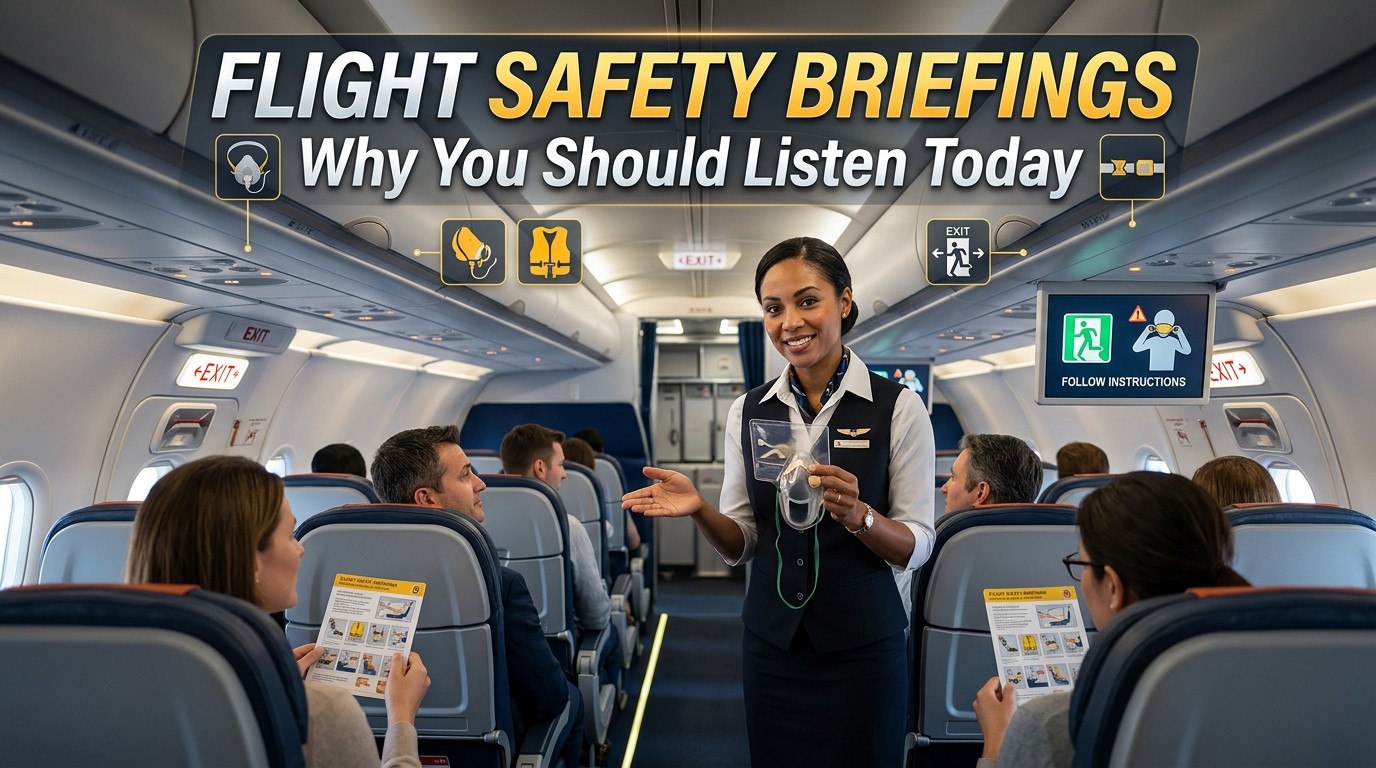
Flight Safety Briefings help passengers understand procedures, reduce panic, and respond correctly in normal and emergency situations. Listening today can improve confidence, support crew coordination, and make the flight safer for everyone.
Flight Safety Briefings are often treated as background noise, but they are one of the simplest and most important parts of air travel. Many passengers tune them out because they have flown before, feel rushed, or assume they already know the basics. That habit can be risky. A briefing is not just a formality; it is a short, focused guide to what matters if something unexpected happens. It tells you where exits are, how to use safety equipment, and how to behave in a way that supports both your own safety and the crew’s work.
The reason this matters today is that flying is built on layers of preparation. The aircraft, the crew, and the procedures are all designed to handle normal operations and unusual events in a controlled way. But the system works best when passengers also do their part. Listening carefully helps you remember details that may become important later, especially under stress when thinking clearly is harder. Flight Safety Briefings turn unknowns into knowns, and knowns are always easier to manage.
Why Briefings Matter
Flight Safety Briefings are valuable because they give passengers the basic information they need before the flight begins. In a normal situation, that information may seem simple. In an emergency, it becomes much more important. People who pay attention are more likely to react quickly, follow instructions correctly, and avoid confusion. That can save time, reduce panic, and support evacuation if needed.
The psychological effect is just as important as the practical one. When people understand what is expected, they feel more in control. Uncertainty creates anxiety, and anxiety makes it harder to think clearly. A good briefing lowers that uncertainty before the flight even starts. It prepares the mind to respond instead of freeze. That is why Flight Safety Briefings are not only about rules; they are also about calm decision-making.
What You Learn
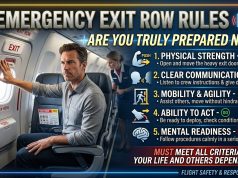
A strong set of Flight Safety Briefings usually covers several core areas. First, it explains seat belts and how to fasten and release them properly. Second, it shows the location of emergency exits and how to count rows if visibility is low. Third, it explains oxygen masks, life vests, and any aircraft-specific equipment. Fourth, it covers emergency posture, evacuation instructions, and how to leave bags behind if required.
These are not abstract details. They are practical instructions that reduce hesitation if something unusual happens. A passenger who listened may not need to think twice about where the nearest exit is or how to use the oxygen mask. That speed matters. In an emergency, people do not have time to relearn basics. They need to act from memory, and Flight Safety Briefings are designed to create that memory.
Human Psychology In The Cabin
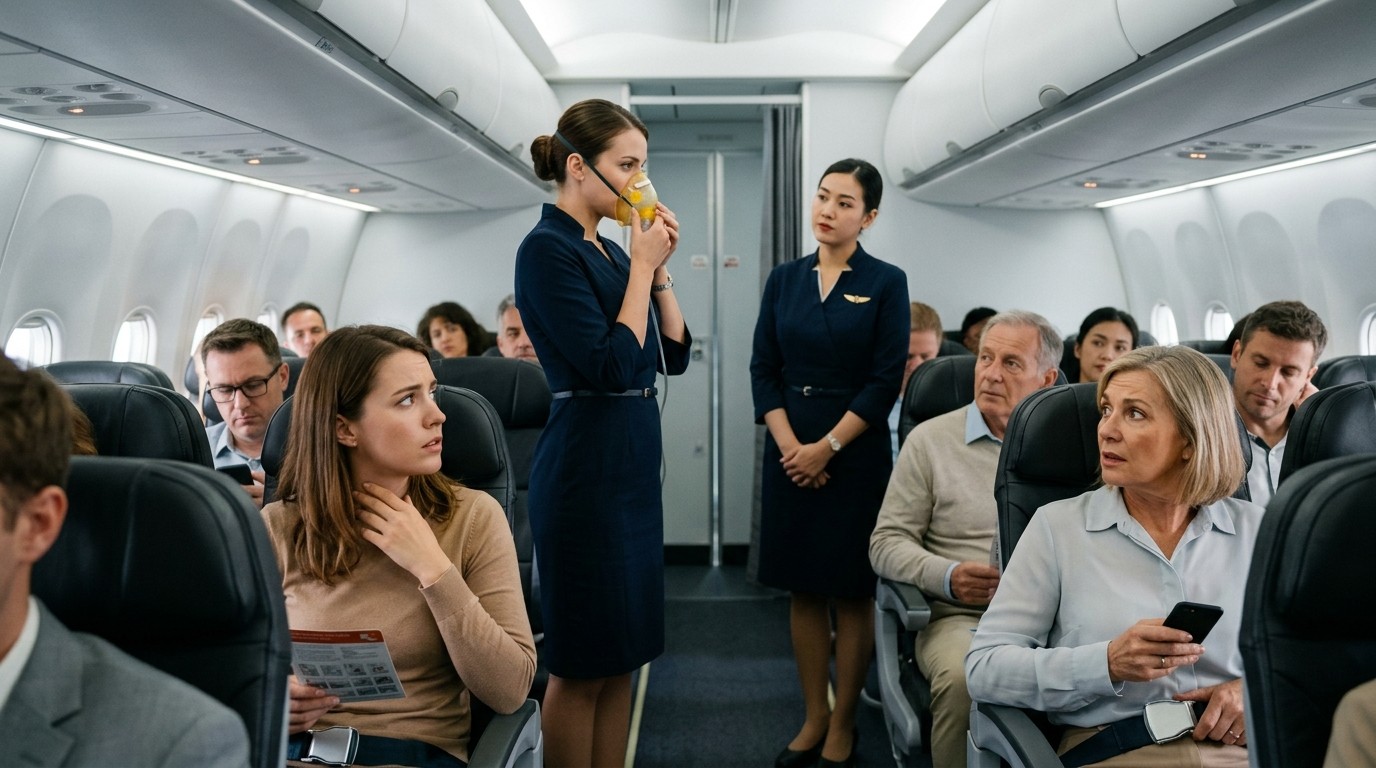
Many passengers ignore Flight Safety Briefings because of a common psychological pattern: familiarity bias. When something seems routine, the brain assumes it is safe to stop paying attention. This happens especially on short flights or when a person has flown many times before. But familiarity can be misleading. A briefing is useful even if you have heard it before because the details may differ by aircraft, airline, or seat location.
Another reason people tune out is optimistic bias. They believe that an emergency is unlikely, so they treat the briefing as optional. The problem is that safety procedures are not designed for likely events only. They are designed for low-probability, high-consequence situations. That is why listening today is smart even if you have never needed the information before.
Crew Coordination And CRM
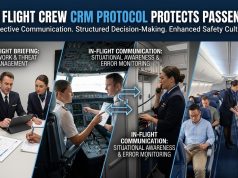
Flight Safety Briefings also support better coordination between passengers and crew. In aviation, cooperation matters. Crew members rely on predictable passenger behavior, especially during turbulence, abnormal events, or evacuation. When passengers understand instructions in advance, the crew can focus on managing the situation instead of repeating basic explanations under pressure.
This links closely to the Flight Crew CRM Protocol, which is about teamwork, communication, and shared situational awareness. Good Crew Resource Management depends on everyone understanding their role. Even passengers are part of the overall safety environment because they can either reduce confusion or add to it. A calm, informed cabin is easier for the crew to manage than a confused, panicked one.
Safety Culture Onboard
Aviation safety is built on habits, not luck. Flight Safety Briefings are part of that culture. They show that the airline takes preparation seriously and expects passengers to do the same. This may seem small, but small habits create larger patterns. A passenger who listens is more likely to follow seat belt rules, avoid blocking aisles, and respond properly to instructions. Those behaviors improve safety for everyone on board.
This also connects with Flight Safety and Travel Risk Management, because both are about reducing avoidable problems before they become serious. The mindset is the same: understand the risk early, prepare properly, and avoid assuming that nothing will happen. That approach is useful not just in aviation but in any situation where safety depends on awareness and cooperation.
Why Listening Helps In Stress
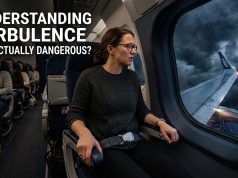
If a flight becomes turbulent or if something unexpected happens, the passengers who listened to the briefing often feel less frightened. That is because fear grows when people do not know what is happening or what they should do. When the mind has a plan, panic is less likely to take over. Even a simple memory like “the nearest exit is behind me” can reduce confusion.
This is where preparation becomes emotional protection. Flight Safety Briefings give people something concrete to hold onto when the cabin feels uncertain. That matters especially for anxious travelers who may already be thinking about risk. The more prepared you are, the less room anxiety has to fill in the gaps with worst-case assumptions.
Safety Thinking Beyond Flying
The value of listening carefully is not limited to airplanes. The same mindset appears in other forms of travel planning. Someone purchasing Adventure Travel Insurance is already acknowledging that unexpected problems can happen and should be handled in advance. That is the same logic behind safety briefings: prepare before you need the information, not after the situation has already changed.
The same goes for travelers who compare risks before trips. People planning a journey may think about hotels, weather, transport, or health precautions. In the same way, Flight Safety Briefings are part of a broader travel discipline. They help turn vague uncertainty into manageable steps. That is one reason they should never be treated as background noise.
Why You Should Listen Today
You should listen today because every flight is different. The aircraft may be different, the seating layout may be different, and the instructions may include details that matter for this specific trip. Even if you think you already know the basics, the briefing can include important updates. Listening also helps you settle mentally into the flight. It gives the beginning of the journey a sense of order and control.
More importantly, safety habits are strongest when they are practiced consistently. If you skip the briefing now, you train yourself to skip it again later. If you pay attention today, you reinforce a habit that can help on future flights too. That habit is valuable whether you are a frequent flyer, an occasional traveler, or someone who simply wants more peace of mind.
Cabin Awareness
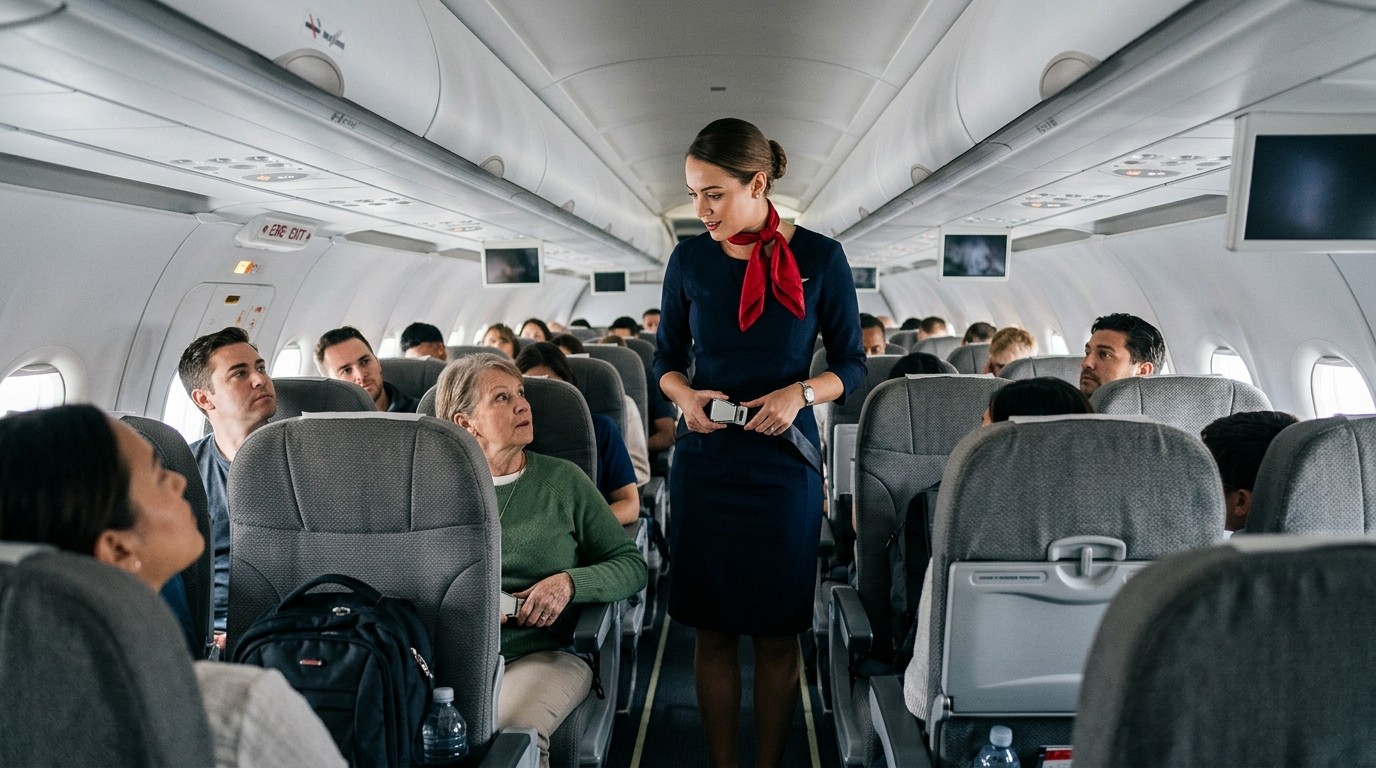
Flight Safety Briefings are most useful when passengers treat them as a map of the cabin rather than as routine background noise. A passenger who knows where the nearest exits are, where the safety card is located, and how the seat belt works is already more prepared than someone who ignored the instructions completely. That awareness may seem small during a normal flight, but it becomes extremely valuable if the cabin changes suddenly, lights go out, or noise and movement make it harder to think clearly.
Cabin awareness also reduces panic because people fear what they do not understand. If you know the basic layout of the aircraft and remember where important equipment is located, the environment feels less mysterious. That sense of orientation matters a lot in aviation because stress can make even simple decisions feel difficult. A brief safety announcement can quietly improve confidence for the entire trip when the passenger actually pays attention.
Emergency Readiness
One of the biggest reasons to listen to Flight Safety Briefings is that emergencies do not give you time to prepare later. If something unexpected happens, the passengers who listened already have the basic instructions in their memory. They know what the seat belt sign means, they know how to position themselves if needed, and they know that leaving bags behind during evacuation is essential. Those details can reduce hesitation in a moment where seconds matter.
Emergency readiness is not about expecting the worst. It is about being mentally ready for a rare event so that fear does not take over if one occurs. The more a passenger understands the procedures in advance, the less likely they are to freeze when the cabin atmosphere changes. This is one reason Flight Safety Briefings are such a valuable part of travel safety. They turn a passenger from a passive observer into someone who can respond with a little more confidence and a little less confusion.
Anxiety Reduction
For nervous travelers, Flight Safety Briefings can also act as a calming ritual at the start of the journey. The announcement gives structure to the boarding process and reminds the passenger that the airline has a plan. Anxiety often grows when people feel trapped inside uncertainty, but a clear briefing can break that feeling by explaining what will happen next and how safety is managed.
This is especially important for passengers who already feel uneasy about flying, turbulence, or unfamiliar procedures. When the brain has something concrete to focus on, it spends less energy creating imagined threats. A well-delivered safety briefing can help replace vague fear with practical knowledge. That does not remove all anxiety, but it often reduces the intensity enough to make the flight feel more manageable.
Respect For Procedure
Listening to Flight Safety Briefings is also a sign of respect for procedure, and procedure is a major part of aviation safety. Air travel works because many small tasks are done the same way every time, even when they seem repetitive. Procedures are not there to waste time; they are there to reduce mistakes and keep people aligned.
When passengers respect the briefing, they are participating in the same safety mindset that supports the rest of the flight system. They are accepting that even routine steps matter. This is similar to how professional safety systems work in other fields. In aviation, the smallest habits often have the biggest protective effect because they remove uncertainty and create consistency. That consistency is one of the reasons the industry remains so safe.
Shared Responsibility
Flight Safety Briefings also remind us that safety on an aircraft is a shared responsibility. Pilots, cabin crew, maintenance teams, and dispatchers all play major roles, but passengers are not completely separate from the safety process. Their behavior matters too. Keeping the aisle clear, following the seat belt sign, paying attention to instructions, and reacting calmly all contribute to a safer cabin environment.
This shared responsibility becomes even more visible in unusual situations. If one person remains calm and cooperative, that can help others nearby feel calmer too. If many passengers are confused, the crew has more work to do. That is why listening is not just self-protection. It is also a way of helping the whole cabin function more smoothly. A safety culture works best when everyone on board understands that their actions matter.
Long-Term Travel Habits
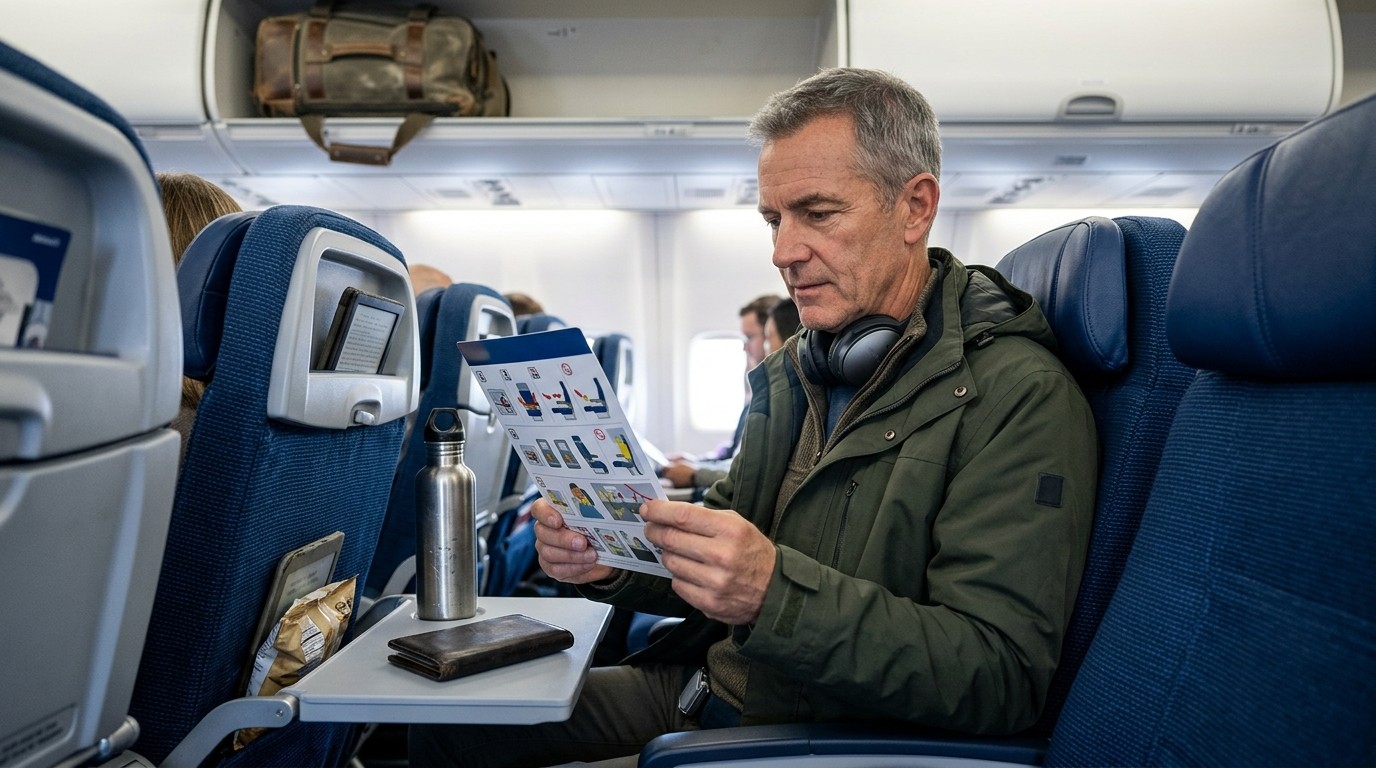
One of the most overlooked benefits of listening to Flight Safety Briefings is that it shapes long-term travel habits. A person who pays attention on one flight is more likely to continue paying attention on future flights. Over time, that creates a stronger habit of preparation, awareness, and calm response. These habits may seem minor, but they add up across years of travel.
That long-term pattern also influences how people think about risk in general. A traveler who learns to respect aviation procedures may become more thoughtful in other travel situations too. They may read hotel safety instructions, check local conditions, or prepare more carefully for transfers and delays. That broader mindset is useful because it turns travel from a reactive experience into a more intentional one. The habit begins with something as simple as listening to a safety briefing.
Final Reminder
Flight Safety Briefings may only last a few minutes, but those few minutes are designed to protect you for the entire flight. They help you understand the cabin, prepare for the unexpected, and react more effectively under pressure. More than that, they encourage a mindset of awareness and responsibility that benefits both you and the people around you.
So the next time the briefing starts, treat it as a useful safety tool rather than a formality. You may never need the instructions in a serious way, but if you do, you will be glad you listened. That simple choice is one of the easiest ways to support your own safety and travel with more confidence.
Conclusion
Flight Safety Briefings are short, but their impact can be significant. They give passengers the information they need to react correctly, support the crew, and reduce confusion during stressful moments. Listening today is not about being overly cautious. It is about being prepared, respectful, and aware. The most useful safety habits are often the simplest ones, and this is one of them. If you pay attention, you are not just following a routine. You are choosing a safer, calmer way to travel.
Frequently Asked Questions (FAQ)
1. What are Flight Safety Briefings?
They are short safety instructions given before takeoff to explain procedures, equipment, and emergency actions.
2. Why are they important?
They help passengers understand what to do in normal and emergency situations, which improves overall safety.
3. Do frequent flyers still need to listen?
Yes. Aircraft layouts, airline procedures, and safety details can vary from one flight to another.
4. What do briefings usually cover?
Seat belts, exits, oxygen masks, life vests, emergency posture, and evacuation instructions.
5. Why do people ignore them?
Many people feel familiar with flying and assume they already know the information.
6. Can listening reduce anxiety?
Yes. Knowing the procedure often makes people feel more in control and less uncertain.
7. Are safety briefings only for emergencies?
No. They also help passengers understand routine safety expectations during the flight.
8. How do briefings help the crew?
They improve passenger cooperation and reduce confusion during safety-related situations.
9. Are they part of airline safety culture?
Yes. They are a key part of building a prepared and informed cabin environment.
10. What is the main reason to pay attention today?
Because the information may matter at any time, and being prepared is always better than guessing.