
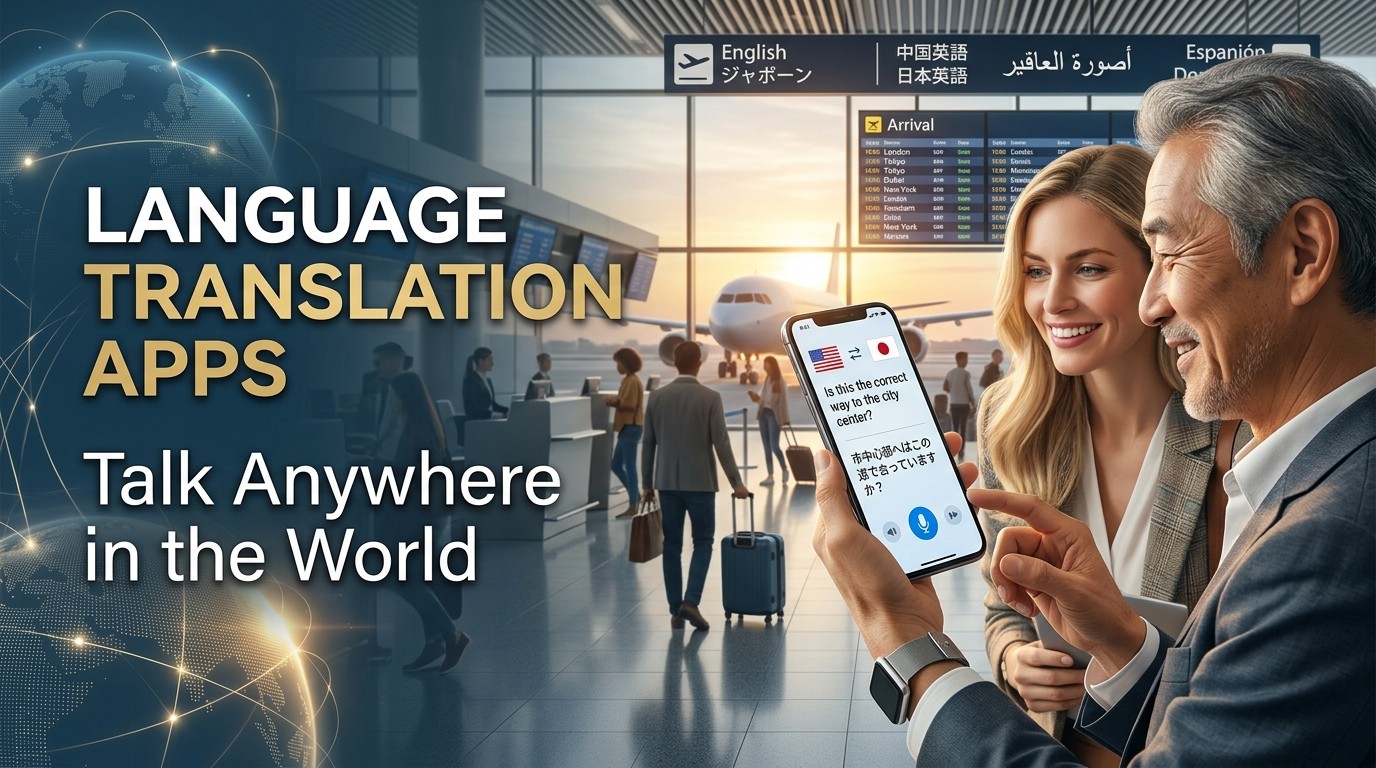
Language Translation Apps make travel easier by reducing hesitation, building confidence, and helping people speak naturally in unfamiliar places without fear of getting stuck, misunderstood, or left out.
Travel changes the way people think, but language changes the way they feel in the moment. A traveler may have a strong itinerary, a booked hotel, and a full phone battery, yet still freeze when a taxi driver, shop owner, or museum staff member says something unexpected. That is where Language Translation Apps become more than a convenience. They become a confidence tool.
The real value of communication is not only accuracy. It is momentum. When a conversation moves smoothly, the traveler relaxes. When it stalls, stress rises. Language Translation Apps reduce that friction by turning uncertainty into a short pause instead of a dead end. That short pause can change the tone of an entire trip because the traveler no longer feels trapped by a language barrier.
People also underestimate the emotional side of travel communication. It is easy to think a sentence is just a sentence. In practice, a few misunderstood words can affect transport, food orders, directions, safety, or a business transaction. Language Translation Apps help prevent those small misunderstandings from piling up and making the whole journey feel harder than it should be.
That is why many experienced travelers treat Language Translation Apps as a core part of trip preparation rather than a backup plan. They are not just for emergencies. They improve everyday interactions and make the world feel more open, more human, and more navigable.
How Translation Apps Change Travel Psychology
A traveler who expects confusion often becomes quieter, more cautious, and more hesitant to ask questions. That hesitation can lead to missed opportunities or avoidable mistakes. Language Translation Apps interrupt that pattern by offering a practical bridge between intention and expression. Once a traveler knows communication is possible, confidence rises almost immediately.
That confidence matters because travel is full of micro-decisions. Which platform is correct? Is this the right train? Is this dish spicy? Can I pay by card? Where is the restroom? In another country, these are not minor questions. They are the questions that shape a day. Language Translation Apps make those questions easier to ask and easier to answer.
When people feel understood, they behave differently. They explore more, ask more, and worry less. Language Translation Apps help create that emotional shift by reducing the fear of making a mistake. A traveler does not need to speak perfectly to move forward. They only need a workable path to understanding, and that is exactly where Language Translation Apps shine.
The Core Features That Actually Matter
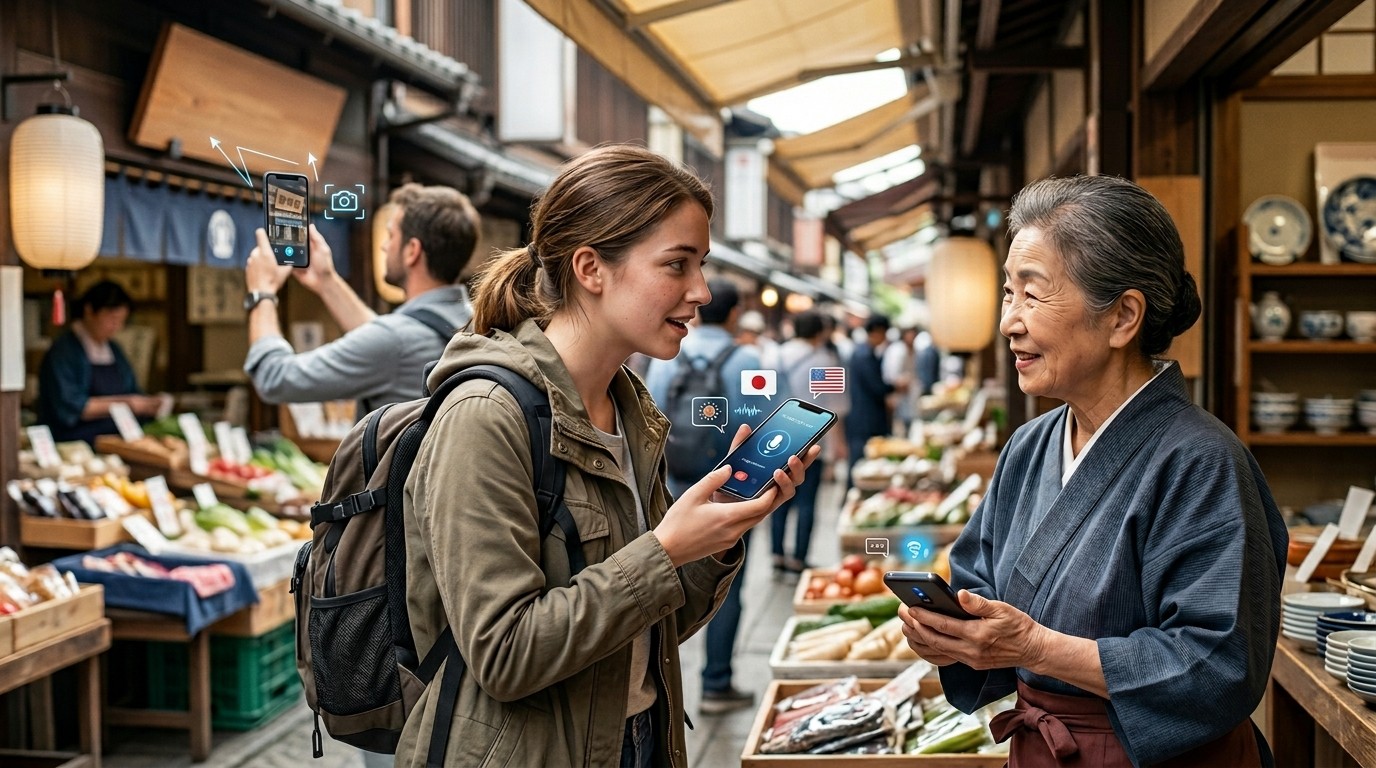
Not every app earns a place on your phone. Some are flashy but awkward in real use. The most useful Language Translation Apps usually share a few practical strengths: quick text translation, voice input, image translation, offline support, and simple interface design.
Text Translation
Text translation is useful for menus, signs, labels, notices, and basic chat messages. It works best when the traveler has enough time to type or paste text clearly. For simple situations, Language Translation Apps with strong text features can solve problems in seconds.
Voice Translation
Voice translation is often the most natural feature for live conversation. It lets two people speak in turn, and the app converts the words into a usable form. This is especially valuable in airports, hotels, restaurants, and transportation hubs.
Camera Translation
Camera tools are helpful for signs, receipts, ingredient lists, and printed instructions. This is one reason many travelers keep Language Translation Apps ready at all times. Reading on the spot often matters more than memorizing vocabulary.
Offline Support
Offline translation is crucial when data is limited or expensive. A traveler may not always have reliable connectivity, especially in rural locations, tunnels, stations, or international roaming zones. Good Language Translation Apps support basic communication even when the network is weak.
Where Travelers Use Translation Most Often
The best app is the one that helps in real situations. Travelers typically rely on Language Translation Apps in a few recurring places.
| Travel Situation | Common Need | App Benefit |
|---|---|---|
| Airport check-in | Basic questions | Faster communication |
| Hotel reception | Directions or requests | Clearer service interactions |
| Restaurants | Menu reading | Better food choices |
| Train and bus stations | Timing and route help | Less confusion |
| Shops and markets | Price and product questions | Smoother transactions |
| Medical or safety situations | Clear explanation | More accurate support |
The variety of these situations shows why Language Translation Apps are so useful. They are not limited to one type of conversation. They help in both routine and high-stakes moments, which is why many travelers keep them within immediate reach.
Choosing the Right App for the Trip
Some travelers want fast voice translation. Others care more about camera features. Some need offline support because they are going to remote destinations. That is why the right choice depends on the route, the trip length, and the type of communication you expect.
For short urban trips, ease of use may matter more than advanced features. For rural travel, offline performance becomes more important. For business or longer stays, privacy and accuracy can matter more. Language Translation Apps should be chosen like any other Travel Channel Guide: based on actual use, not hype.
A useful way to compare options is to ask three questions. Can it translate the type of communication you will actually need? Can you use it quickly when stressed? Can it still help without perfect internet? If the answer is yes, the app may be a strong fit. Language Translation Apps work best when they match the traveler’s real habits rather than imaginary ones.
Why Simplicity Beats Complexity
When people are in a foreign place, they are often tired, busy, or under pressure. Complicated menus and hidden settings slow everything down. The best Language Translation Apps reduce thinking time. They present the right function immediately and keep the experience clear.
That simplicity matters because communication problems are rarely solved when people feel rushed. A simple app lowers friction, and lower friction makes the conversation easier to continue. The best Language Translation Apps do not try to impress the user with too many features. They solve one problem well, then move out of the way.
This is also why interface design has a psychological effect. Big buttons, clear language selection, and obvious microphone controls reduce hesitation. When the traveler does not need to search for the next step, the conversation continues with less stress. That can be more valuable than dozens of fancy but rarely used options.
Voice Conversations and Natural Flow
Speech is usually faster than typing, and that is why many travelers prefer live voice features. Language Translation Apps that handle spoken exchange well can make a conversation feel more like a dialogue and less like a technical task. That matters in service situations where time is limited and the other person may also be busy.
Voice tools are particularly useful when the traveler wants to ask follow-up questions. A restaurant menu may need clarification. A driver may need the destination repeated. A host may need to confirm a check-in detail. Language Translation Apps reduce the awkwardness that can happen when both sides are trying to help but do not share a language.
Still, voice tools work best when people speak clearly and in short phrases. Long, complex sentences are harder to process. Travelers who understand that pattern tend to get better results. This is one reason Language Translation Apps are most effective when the user also changes how they speak: shorter, clearer, calmer.
Reading Signs, Menus, and Everyday Text
Many travel frustrations are not dramatic. They are small reading problems. A sign points the wrong way. A menu uses unfamiliar terms. A receipt shows a charge that does not make immediate sense. Language Translation Apps help remove that friction by translating printed text quickly enough to support action.
That support can improve food choices, shopping decisions, and movement through unfamiliar streets. It also reduces dependence on guesswork. Travelers often feel safer when they know what something says instead of assuming. Language Translation Apps are especially powerful in cities with multiple scripts or in locations where English is not widely used.
Image-based translation is useful because travelers do not always have time to retype everything. A camera opens the possibility of instant understanding. That makes Language Translation Apps a practical companion in almost every ordinary travel moment.
How Translation Supports Social Confidence
Travel is not only about logistics. It is also about human contact. A good conversation with a host, store clerk, or local guide can become one of the most memorable parts of a trip. Language Translation Apps can make those moments possible by reducing the fear of embarrassment.
Many people avoid speaking because they worry about sounding silly. But silence can create more distance than mistakes do. When a traveler uses Language Translation Apps, the barrier becomes smaller and the conversation often becomes friendlier. People usually respond positively when they see an honest effort to communicate.
That social effect is easy to underestimate. A few successful exchanges can make a traveler feel less like an outsider. Over time, that changes the entire experience of the destination. The journey becomes more interactive, less isolated, and more human.
A Smart Way to Use Translation Before You Travel
Preparation improves results. Before a trip, travelers can download the app, test voice recognition, save key phrases, and check offline features. That small amount of preparation pays off quickly when the trip starts. Language Translation Apps perform best when the user already knows where the key buttons are.
A useful pre-trip list includes greetings, directions, food restrictions, hotel requests, emergency phrases, and transport terms. Even if the app can generate translations on the fly, it is helpful to have a few ready-made expressions. Language Translation Apps become more reliable when the traveler combines digital support with a little personal preparation.
This is especially true for travelers who expect limited connectivity. Offline packs can be downloaded in advance so the app remains useful even in areas with poor signal. That is one of the strongest reasons Language Translation Apps belong in the packing checklist before departure rather than after arrival.
Using Translation in Airports and Transit
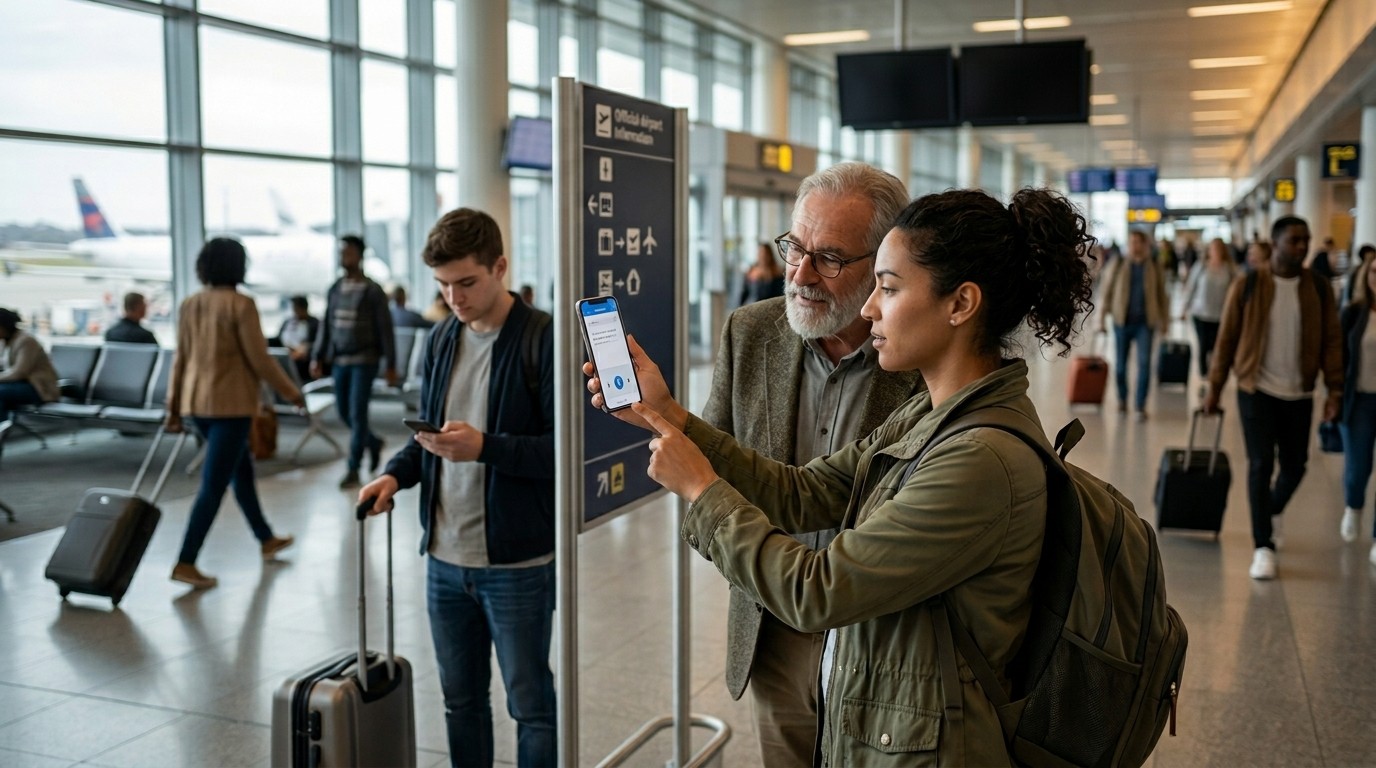
Airports and transit systems are full of signs, announcements, and time pressure. That makes them one of the most common places where Language Translation Apps prove their value. A Flight Upgrade Secrets, baggage issue, or platform confusion can quickly become stressful if the traveler cannot understand the message.
Translation tools help the traveler ask for help without delay. They also support clearer communication when staff need specific details. A few seconds of translation can save far more time than trying to guess or waiting for someone else to interpret. That is one reason Language Translation Apps are so common among frequent flyers and rail travelers.
During transit, speed matters. Messages need to be short and useful. The traveler is not trying to hold a deep conversation; they are trying to move. Language Translation Apps make that possible by cutting through uncertainty and keeping the journey on track.
Why Travel Apps Work Better Together
No single app handles every need. A smart traveler uses a set of tools for different moments. Language Translation Apps can work alongside maps, booking tools, ticketing platforms, and itinerary planners to create a smoother trip overall. The app ecosystem becomes much more useful when each tool has a clear role.
This is where the idea of Top Travel Apps becomes relevant. Travelers often combine translation with navigation, currency conversion, local transport, and trip organization. Each app contributes something different, and together they reduce the feeling of being lost. Language Translation Apps fit naturally in that system because they handle the most human part of travel: conversation.
The best app stacks are simple. Too many apps create noise. A small, reliable set is usually enough. That is why travelers benefit more from a few well-chosen tools than from a cluttered screen filled with options they never use.
How Flight-Related Travel Tools Fit In
Language support can also help around airport logistics, aircraft changes, and itinerary disruptions. A delay or rebooking situation often comes with rapid explanations and unfamiliar terminology. Language Translation Apps make those moments easier to understand, especially when the traveler is tired or stressed.
This is where Best Flight Tracking Apps and translation tools can complement each other. A tracking app can show the schedule or delay status, while Language Translation Apps help the traveler understand announcements, speak to staff, or confirm new instructions. The combination creates both visibility and communication.
That matters because travel disruptions are emotional moments. The traveler is often under pressure, and small misunderstandings can become larger problems. Language Translation Apps help keep the discussion clear so the next step feels manageable instead of chaotic.
Respect, Accuracy, and Cultural Awareness
Translation is not only about replacing words. It is also about respect. A well-used phrase can show care, while a poor translation can create confusion or sound too blunt. Language Translation Apps help bridge language gaps, but the traveler still benefits from a little cultural awareness.
Polite greetings, simple gratitude, and clear requests go a long way. A respectful tone often matters as much as perfect grammar. Language Translation Apps can assist with phrasing, but the user should still pay attention to context and tone. That is especially important when speaking with older people, service staff, or anyone in a formal setting.
Cultural awareness also improves the accuracy of the conversation. Some phrases do not translate literally. Some expressions are too casual or too direct. Travelers who understand that will use Language Translation Apps more effectively and avoid unnecessary awkwardness.
When Translation Is Most Valuable
Translation becomes most valuable in moments where clarity matters and emotional pressure is present. It could be a hotel check-in, a food allergy question, a transport delay, or a simple request for directions. Language Translation Apps shine in those moments because they lower the cost of asking.
They also become valuable in unexpected situations. A misplaced bag, a sudden schedule change, or a medical concern can create stress quickly. In those moments, the traveler does not need perfect language. They need enough understanding to take the next safe step. That is where Language Translation Apps make a real difference.
The key is trust. Once a traveler trusts the tool, they are more willing to interact. That changes the travel experience from passive observation into active participation. The destination feels less distant because communication is possible.
Good Habits That Improve Results
Even the best tool performs better when used well. Travelers can improve results by speaking slowly, avoiding slang, and keeping sentences short. They can also repeat key details, especially names, numbers, addresses, and times. Language Translation Apps respond better when the input is clean and simple.
A traveler should also check the output when possible. Automated translation is helpful, but not perfect. If something seems off, it is worth rephrasing. Small corrections can prevent bigger problems later. Language Translation Apps are strongest when the user treats them as a support system, not magic.
Another smart habit is to keep essential phrases saved for repeated use. Greetings, apologies, dietary needs, and transport terms often appear again and again. Having them ready makes the app faster and the traveler calmer.
Translation and Independence
One of the most empowering parts of travel is independence. People want to move through a place without feeling dependent on a guide for every detail. Language Translation Apps support that freedom by making everyday tasks more manageable. The traveler can order food, ask for directions, check policies, and solve problems with less outside help.
That independence builds confidence over time. A traveler who succeeds once is more likely to try again. Each successful interaction becomes evidence that the destination is not as intimidating as it first seemed. Language Translation Apps help create those small wins, and those wins accumulate.
That is why the emotional value is so high. The app is not only translating words. It is reducing the fear that keeps people from exploring fully.
Choosing the Right App Features by Trip Type
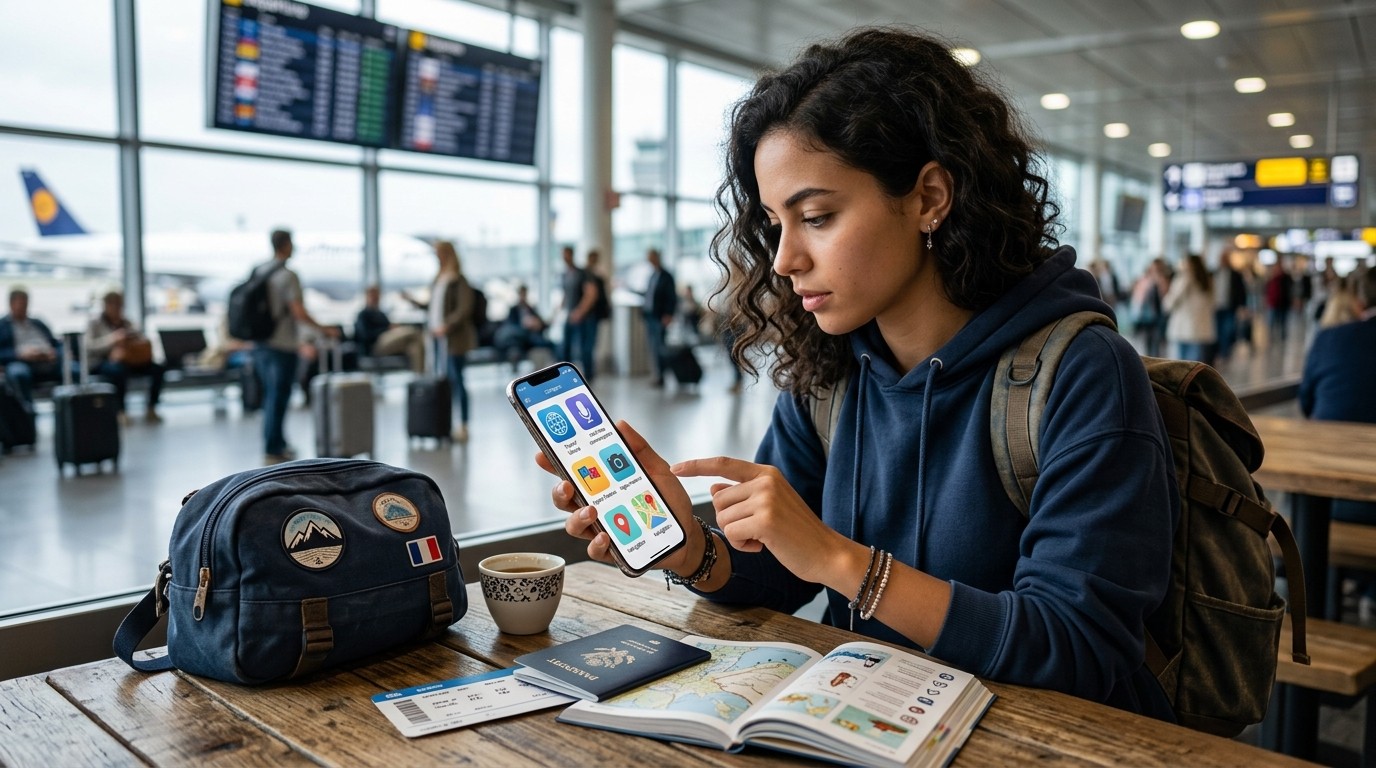
Different travel styles call for different features.
City Travel
For urban trips, speed and convenience matter most. Instant text, camera support, and quick voice tools are usually enough.
Rural or Remote Travel
For remote areas, offline support becomes essential. Language Translation Apps need to work even when data is unreliable.
Business or Extended Stays
For longer stays, accuracy, saved phrases, and better interface control become more important. Travelers may use translation more often and in more varied settings.
Family Travel
For families, ease of use matters. Parents need fast ways to ask questions, read signs, and handle unexpected situations without extra frustration.
A Simple Way to Build Confidence Fast
Start small. Before the trip, practice three or four basic phrases in the app. Then test voice and camera tools. Once the traveler knows the app works, the entire journey feels less threatening. Language Translation Apps become a little like a seatbelt: most useful when you trust that they are already there.
Then use the app early, not only when things go wrong. Asking for directions or ordering coffee is a low-pressure way to build familiarity. That way, when a more serious situation comes up, the traveler already knows how the tool behaves.
This gradual approach is often the fastest path to comfort. It turns a new piece of technology into a natural part of the trip.
Ahead, Language Translation Apps tested, Language Translation Apps updated, Language Translation Apps loaded, Language Translation Apps ready, Language Translation Apps nearby, Language Translation Apps trusted.
Conclusion
Travel feels bigger, warmer, and more open when communication is no longer the main obstacle. Language Translation Apps help people move from uncertainty to action by making conversation easier in airports, hotels, restaurants, stations, shops, and unexpected situations. They reduce stress, improve confidence, and support real connection with the places and people travelers encounter. Used wisely, they do more than convert words. They create independence, lower friction, and make the world feel accessible even when the language is new. For modern travelers, that is not a luxury. It is one of the most useful tools in the entire journey.
Frequently Asked Questions (FAQ)
1. What are Language Translation Apps used for?
Language Translation Apps are used to translate text, speech, and signs so travelers can communicate more easily in foreign languages.
2. Are Language Translation Apps accurate enough for travel?
They are usually accurate enough for everyday travel tasks like directions, food orders, hotel questions, and simple conversations, though users should still check important details.
3. Do Language Translation Apps work offline?
Many do. Offline support is important for travelers in places with weak signal, expensive roaming, or limited data access.
4. How do Language Translation Apps help nervous travelers?
They reduce hesitation by making communication possible, which helps travelers feel calmer and more willing to ask questions.
5. Can Language Translation Apps replace a human translator?
Not completely. They are excellent for quick, practical communication, but sensitive, legal, or high-stakes situations may still need a human translator.
6. Are Language Translation Apps useful at airports?
Yes. They help with announcements, directions, check-in questions, baggage issues, and rebooking situations.
7. How do Language Translation Apps compare with Top Travel Apps?
Top Travel Apps usually help with booking, navigation, or planning, while Language Translation Apps focus on communication and understanding.
8. Can Language Translation Apps work with flight information tools?
Yes. Travelers often use them alongside Best Flight Tracking Apps to understand changes, announcements, or staff instructions more clearly.
9. What is the best way to use Language Translation Apps well?
Speak clearly, keep sentences short, check important outputs, and save common phrases before traveling.
10. Why are Language Translation Apps so valuable for global travel?
They make everyday communication easier, reduce stress, and help travelers feel more independent and confident anywhere in the world.