
Pilot Training Secrets show how discipline, repetition, and clear judgment help crews manage weather, systems, pressure, and human error long before a passenger boards the aircraft.
Pilot Training Secrets begin with a mindset that treats safety as a habit, not a slogan. New pilots learn early that confidence is not the same as complacency, and that every flight demands the same disciplined attention whether the route is short or long. Pilot Training Secrets are built around repetition because repetition turns good choices into automatic responses when time is limited. A pilot who can remain calm under pressure is not lucky; that calm is trained, practiced, and tested again and again. Pilot Training Secrets also teach that the safest crews are rarely the loudest. They are the crews that speak clearly, listen carefully, and respect procedures even when the day feels routine.
Ground School Builds the Framework
Before anyone enters a simulator or touches the controls in the real world, they spend hours studying the theory that supports safe flight. Pilot Training Secrets in ground school cover aerodynamics, aircraft systems, weather, navigation, regulations, and human performance. That knowledge may sound academic, but it becomes practical the moment a pilot has to decide whether a route is still safe, whether a fuel reserve is sufficient, or whether a forecast has changed enough to alter the plan. Pilot Training Secrets also emphasize memory management. Pilots are trained to know what to memorize, what to verify on a checklist, and what to cross-check with another source so that a single mistake does not become a chain reaction.
Simulators Turn Theory Into Habit
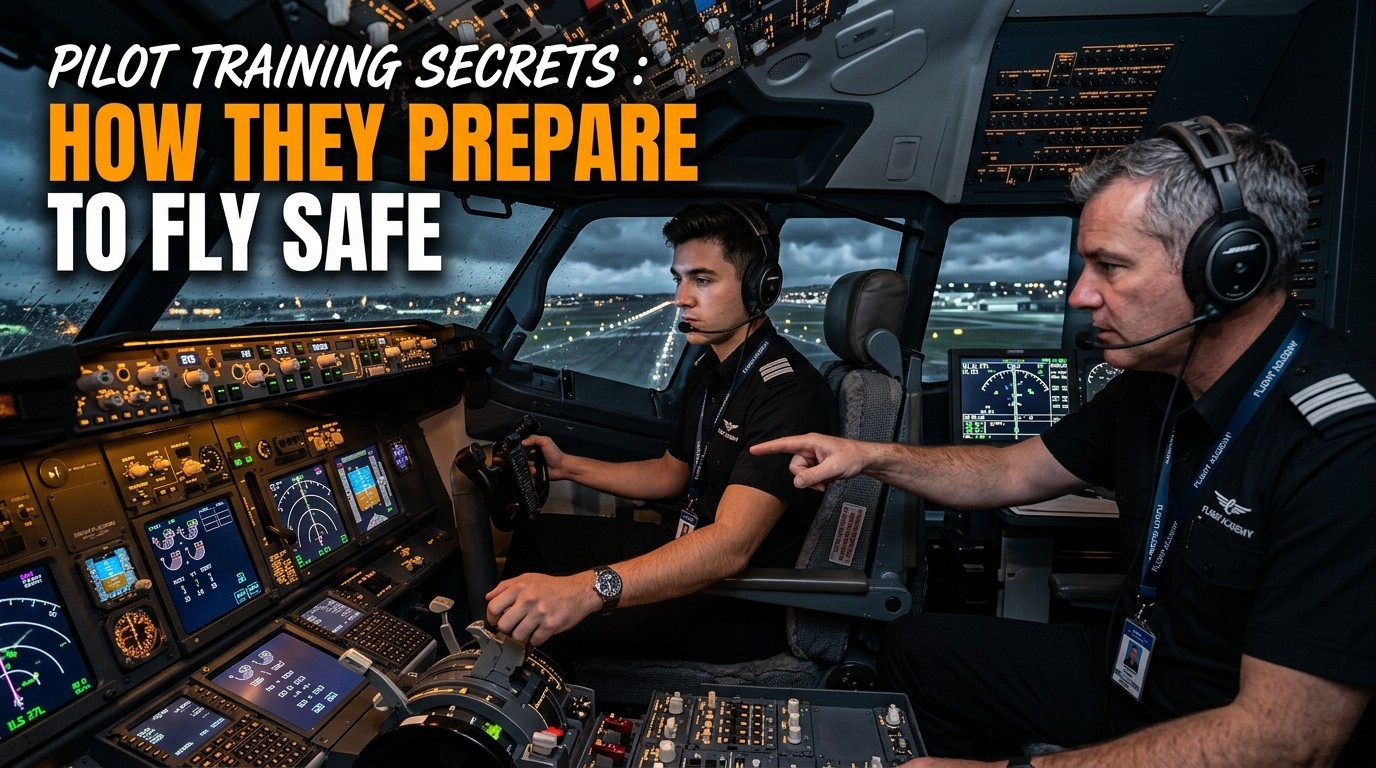
One of the most important Pilot Training Secrets is simulator training. Simulators create realistic pressure without real-world danger, which gives instructors the freedom to create engine failures, navigation problems, instrument issues, and sudden weather changes. Pilot Training Secrets make simulators valuable because they let trainees practice until responses become instinctive. In a simulator, a pilot can fail, correct the mistake, and repeat the scenario until the right sequence of actions feels natural. Pilot Training Secrets also show how teamwork is built in these sessions. One pilot flies, the other monitors, and both speak up when something looks wrong. That habit of mutual cross-checking is one reason commercial aviation remains so reliable.
Checklists Protect Human Memory
A common misunderstanding is that checklists are signs of weakness. In reality, they are among the strongest Pilot Training Secrets because they protect humans from the limits of memory under stress. Even experienced crews can forget small items when tasks pile up quickly. A checklist turns a complex sequence into a controlled process, reducing the chance that a skipped step becomes a serious issue later. Pilot Training Secrets around checklist discipline teach pilots to pause, verify, and proceed in order rather than rushing because they feel busy. That pace may seem slow from the outside, but it is one of the reasons routine flights can remain safe in a high-workload environment.
Communication Is a Safety Tool
A cockpit is a workplace where communication must be precise, calm, and respectful. Pilot Training Secrets place a huge value on how crew members talk to one another because unclear language can create confusion at the worst possible moment. Pilots learn to use standard phraseology so there is less room for misinterpretation. They also practice speaking up when something seems wrong, even if the person making the decision is more senior. Pilot Training Secrets make it clear that good crews are not built on silence or hierarchy alone. They are built on a culture where questioning a decision is allowed, expected, and useful. That culture helps prevent small uncertainties from becoming bigger threats.
Understanding Weather Before It Becomes a Problem
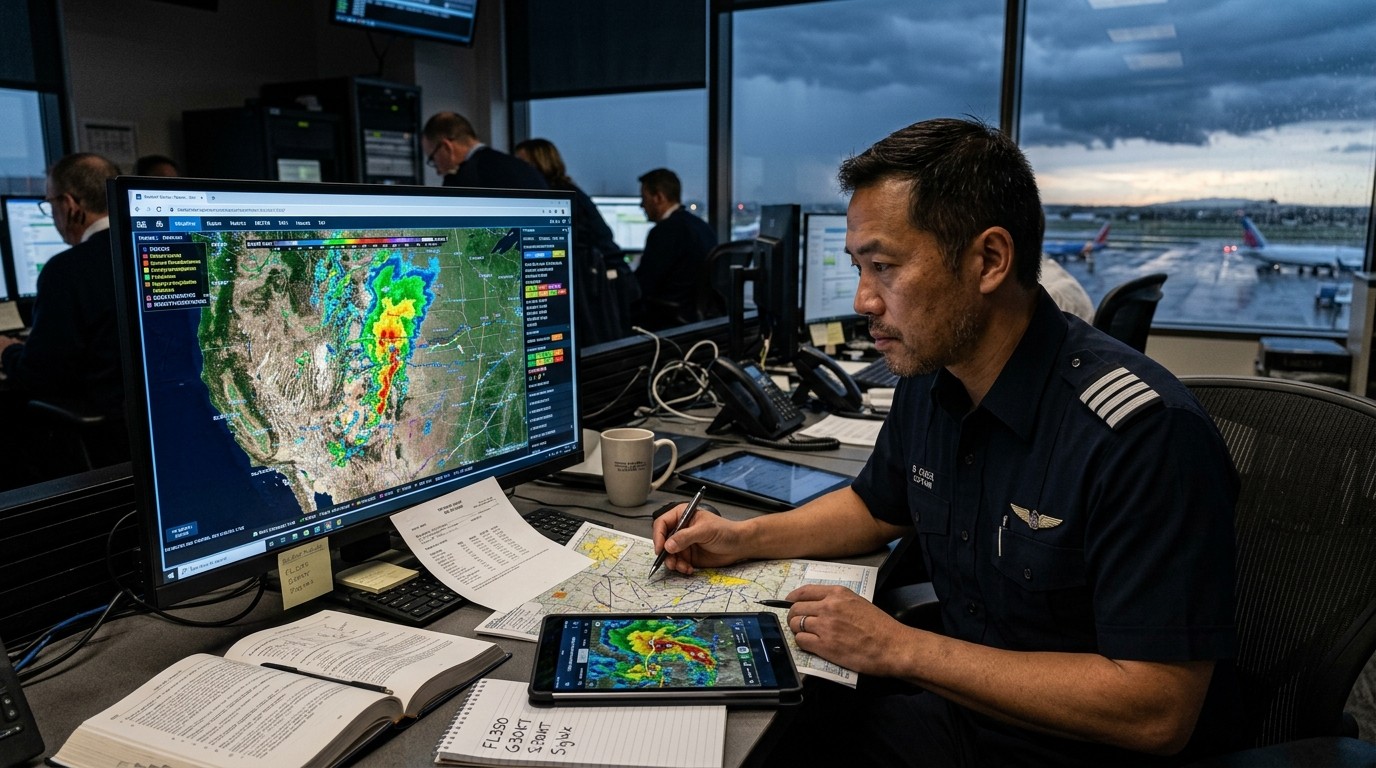
Weather is one of the biggest variables in flight operations, and training gives pilots a structured way to interpret it. Pilot Training Secrets include reading forecasts, understanding fronts, spotting icing conditions, and recognizing when visibility or wind could make a route more difficult. The goal is not to fear weather but to respect how fast it can change. Pilot Training Secrets also teach pilots to compare what is predicted with what is actually happening. A forecast may suggest one thing, but live conditions can demand a different decision. That is why pilots are trained to avoid emotional attachment to a plan. A safe pilot changes the plan when the sky changes.
Handling Rough Air Without Panic
Passengers often fear turbulence more than pilots do, mainly because they experience it as surprise and motion. For crews, though, turbulence is a known condition that can be anticipated, monitored, and managed. Understanding Turbulence is part of training because pilots learn what causes it, what types exist, and when it may intensify. They study atmospheric conditions, jet streams, mountain waves, and convective activity so they can reduce exposure when possible. Pilot Training Secrets here are less dramatic than they seem: slow down when appropriate, keep the cabin informed, and avoid overreacting. The point is not to eliminate every bump but to handle them with steady judgment. Passengers notice that calm, and it usually lowers their own anxiety too.
Exit Row Safety and Cabin Awareness
Cabin safety is not only the cabin crew’s responsibility; it is part of the pilot’s broader safety culture. Emergency Exit Row Rules matter because they reflect how every seat on the aircraft has a role during an evacuation. Pilots study evacuation procedures, door armed status, cabin coordination, and the importance of keeping exits clear so that passengers can move quickly if needed. Pilot Training Secrets emphasize that safety planning starts long before any emergency. Crews brief one another, confirm roles, and prepare for the rare but critical moment when speed matters. Passengers may never see this work, but it is part of the full system that makes air travel so dependable.
Decision-Making Under Pressure
Good pilots are not defined by the number of problems they avoid; they are defined by the quality of the decisions they make when problems appear. Pilot Training Secrets place enormous weight on judgment because many situations have no perfect answer. A pilot may need to choose between continuing, diverting, waiting, or returning, and each option carries trade-offs. Training teaches them to gather facts quickly, compare risks, and act before uncertainty turns into delay. Pilot Training Secrets also build habits that reduce bias. Pilots are taught to avoid wishful thinking, to respect warning signs, and to admit when the safest choice is not the most convenient one. That honesty saves lives.
Crew Resource Management Keeps Teams Sharp
Flying safely is a team effort. Crew resource management, often shortened to CRM, teaches pilots how to share tasks, monitor each other, and avoid overloading one person. Pilot Training Secrets in CRM focus on teamwork, situational awareness, and the ability to speak up in a respectful but firm way. A pilot flying the aircraft should not have to carry every task alone, and the monitoring pilot should never stay silent if something seems off. Pilot Training Secrets are powerful here because they turn teamwork into a safety skill, not just a personality trait. Good communication, good task division, and good oversight all work together to reduce error.
Fatigue, Nutrition, and Personal Discipline
Pilots are human, and safe aviation depends on acknowledging that reality. Training covers rest, sleep, nutrition, hydration, and personal limits because a tired or distracted pilot is a less reliable pilot. Pilot Training Secrets include recognizing when fatigue affects reaction time, memory, and attention. Crews are trained to respect rest rules and to report when they are not fit to fly. Pilot Training Secrets also remind pilots that discipline outside the cockpit matters too. What they eat, how they sleep, and how they manage stress all affect the quality of their decisions. Safety does not start at the runway; it starts in daily habits.
Emergency Procedures Are Rehearsed, Not Hoped For
When something serious happens, pilots do not want to invent a response on the spot. They want practice to take over. Pilot Training Secrets place emergency procedures at the center of instruction because rare events demand speed, clarity, and precision. Fires, electrical failures, hydraulic issues, or sudden loss of an engine require a disciplined sequence rather than improvisation. The purpose of repetition is not to make pilots robotic. It is to make the right actions easier to find under stress. Pilot Training Secrets also help pilots stay calm enough to communicate with air traffic control, coordinate with the cabin, and keep passengers informed as needed.
How Technology Supports Human Skill
Modern cockpits contain advanced systems, but technology is only as good as the people using it. Pilot Training Secrets show pilots how to work with automation without becoming dependent on it. Automation can reduce workload and improve accuracy, but it can also create confusion if the crew does not understand what mode the aircraft is in. Training therefore teaches pilots to monitor the aircraft actively, confirm inputs, and stay aware of what the machine is actually doing. Pilot Training Secrets here are about balance: use the tools, but never stop thinking. Safe flight comes from a partnership between human judgment and reliable systems.
Risk Management Before Departure
A great deal of safety work happens before the aircraft even leaves the ground. Pilot Training Secrets include route planning, fuel planning, alternate airport selection, performance calculations, and review of airport conditions. These steps make the flight safer by limiting surprises. If a runway is too short, the weather is too poor, or the fuel reserve is not comfortable, a responsible crew adjusts the plan. Pilot Training Secrets also encourage pilots to ask, “What could go wrong today?” That question is not pessimistic. It is practical. It creates space for anticipation, and anticipation is one of aviation’s most useful forms of protection.
Why Passengers Benefit From Training
Passengers often think safety depends only on the moment they are on board, but the real protection comes from the layers of training behind the scenes. Pilot Training Secrets shape everything from taxi procedures to descent planning to how the crew handles a cabin announcement. That preparation is why flights can stay orderly even when weather changes or schedules shift. Pilot Training Secrets also explain why pilots sound composed on the intercom. They are not guessing. They are using practiced frameworks that help the whole cabin stay informed and calm. The result is a smoother experience for travelers and a safer system overall.
The Career Path Demands Patience
Learning to fly is a long process, and that is a good thing. Pilot Training Secrets reflect the fact that responsibility must be earned step by step. Students begin with fundamentals, move into supervised flying, then progress to more advanced operations only after they prove consistency. Pilot Training Secrets do not promise instant mastery because aviation does not reward shortcuts. It rewards steady growth, humility, and the willingness to keep learning. That long path is one reason commercial aviation remains so trusted. The standards are high because the consequences of carelessness are too serious to ignore.
How Safety Culture Stays Alive
A safety culture survives only when it is practiced daily. Pilot Training Secrets are reinforced by recurrent training, refresher courses, procedural audits, and constant review of lessons learned from real incidents. Crews are encouraged to learn from near misses, not just from major events. Pilot Training Secrets also depend on accountability. If a rule exists only on paper, it is not really part of the system. The strongest safety cultures are the ones where everyone expects standards to be followed even when nobody is watching. That expectation keeps routines sharp and prevents drift over time.
What Makes Training Feel “Secret”
People often talk about Pilot Training Secrets as if pilots possess hidden tricks. In reality, the most important lessons are usually disciplined, repeatable, and surprisingly ordinary. Good pilots study deeply, practice often, communicate clearly, and respect limits. They learn to slow down mentally before they speed up physically. They verify rather than assume. They build habits that protect them when the workload rises. Pilot Training Secrets are “secret” only because most passengers never see the preparation behind the professionalism. Once you understand the process, the mystery becomes respect.
What New Pilots Practice Repeatedly
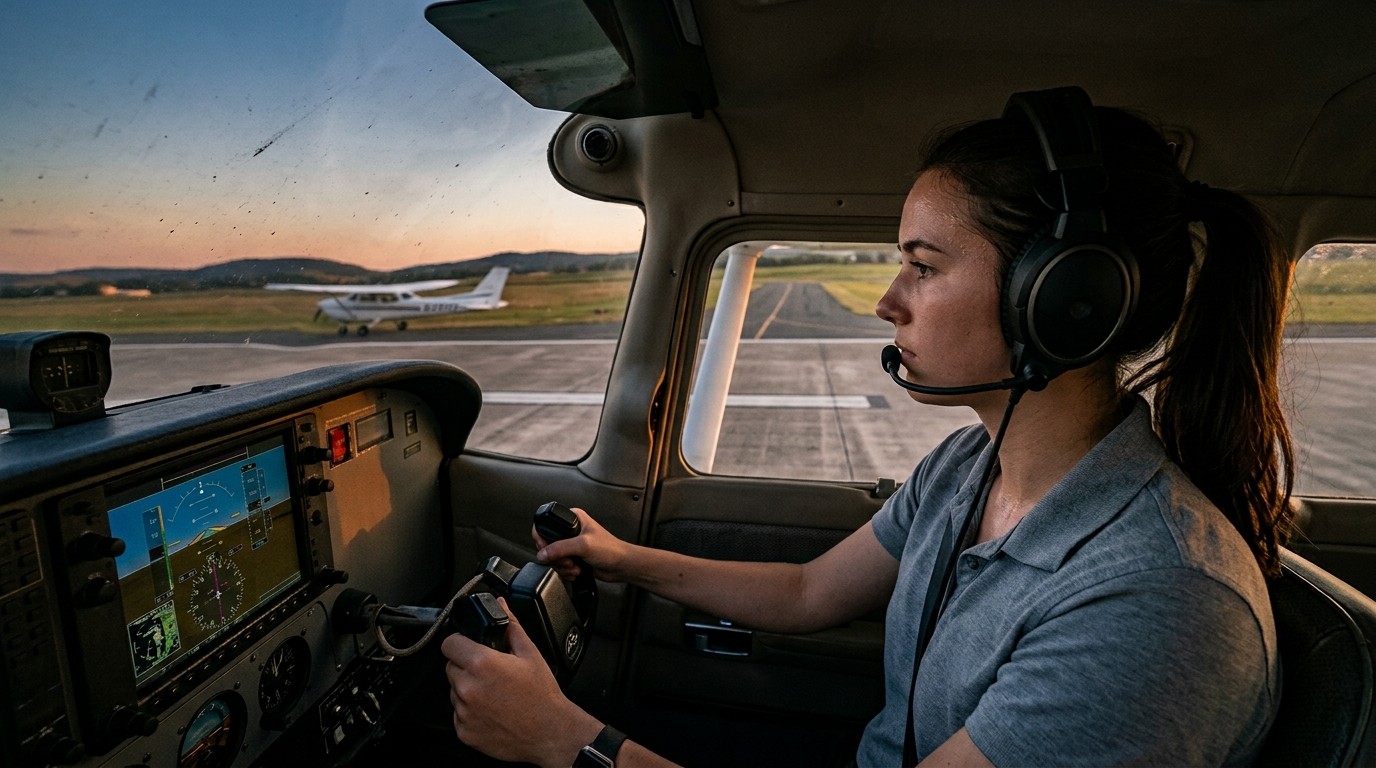
Pilot Training Secrets become most visible when students start repeating basic flows until they can perform them without hesitation. That repetition may look simple, but it is a major part of how pilots learn to stay ahead of the aircraft. Instructors want the student to notice small changes in speed, altitude, configuration, and workload before those changes become errors. These training habits are designed to build that awareness through constant feedback, correction, and review.
Pilot Training Secrets also teach students to scan instruments without staring at any one display for too long. Aviation requires a broad field of attention, because important clues can appear in several places at once. A student who learns to look, verify, and compare early becomes a safer pilot later. That habit is not flashy, but it is one of the most valuable skills in the cockpit.
Pilot Training Secrets continue in the way students learn to brief a flight before it begins. A good briefing does more than repeat a route. It forces the crew to think through what could change, what needs extra attention, and what the backup plan will be if conditions shift. That practice makes the first minutes of a flight smoother and reduces hesitation once the aircraft is moving.
Pilot Training Secrets also matter when students are corrected. The best instructors do not simply point out mistakes; they explain why a response mattered and how a better choice protects the flight. That teaching style builds long-term judgment rather than short-term compliance. It helps trainees understand that safety is not a single action but a chain of careful decisions.
Pilot Training Secrets are why the industry can trust fresh pilots to grow into reliable professionals. The process may feel repetitive, but repetition is exactly what turns knowledge into dependable action.
Common Training Areas and Why They Matter
| Training Area | Why It Matters | Passenger Benefit |
|---|---|---|
| Ground school | Builds technical knowledge | Safer decisions |
| Simulator sessions | Rehearses rare failures | Better emergency response |
| Checklists | Reduces memory errors | More consistent flights |
| CRM | Improves teamwork | Clearer cabin communication |
| Weather study | Predicts hazards | Fewer weather-related delays |
| Fatigue management | Protects judgment | More reliable performance |
Final Thoughts on Safe Flying
When people ask why air travel is so safe, the answer is not one dramatic reason. It is a system made of many careful choices. Pilot Training Secrets exist because safety depends on repetition, humility, and structure. The best pilots are not simply talented; they are trained to treat every stage of flight as a chance to prevent problems before they grow. They plan early, communicate clearly, and stay alert to changing conditions. That is what makes flying reliable for millions of passengers every day.
Aviation safety also depends on the people around the system, not only the people inside the cockpit. Maintenance teams, dispatchers, air traffic controllers, cabin crews, and trainers all contribute to the layers that support every departure. Passengers benefit from that larger network even when they never see it. The reason a smooth flight feels ordinary is that so many professionals have already checked details, compared notes, and prepared for small failures before they ever become visible. That shared discipline is part of what makes modern flying both efficient and remarkably dependable.
Frequently Asked Questions (FAQ)
1. What are Pilot Training Secrets really about?
Pilot Training Secrets are the practical habits, drills, and decision systems that help pilots fly safely, especially when weather, workload, or unexpected events increase pressure.
2. Why do pilots spend so much time in simulators?
Simulators let pilots practice complex situations without real-world risk, which helps them build reliable responses before they ever face an emergency in actual flight.
3. How important are checklists in aviation?
Checklists are essential because they reduce memory errors and keep complex procedures organized, especially when pilots are managing multiple tasks at once.
4. Do pilots train for turbulence?
Yes, and learning about rough air is a key part of that training. Pilots learn what causes it, how to avoid it when possible, and how to manage it calmly when it happens.
5. Why is communication so important in the cockpit?
Clear communication helps crews avoid confusion, divide tasks correctly, and speak up when something seems wrong, which strengthens overall safety.
6. What role does fatigue play in flight safety?
Fatigue can affect reaction time, judgment, and attention, so training emphasizes rest, hydration, sleep discipline, and honest reporting of fitness to fly.
7. How do pilots prepare for emergencies?
They rehearse procedures repeatedly so the correct steps become familiar under stress, making it easier to respond quickly and accurately during a real event.
8. Are Pilot Training Secrets useful for passengers to know?
Yes. They help passengers understand why flights are organized the way they are and why calm, consistent crew behavior matters so much.
9. What is the link between training and seat safety?
Cabin safety guidance shows how preparation, clear roles, and fast movement can matter if an evacuation ever becomes necessary.
10. Does insurance matter in aviation planning?
It can. Adventure Travel Insurance may matter for active itineraries, and Emergency Evacuation Insurance can be relevant when travel involves remote routes or limited medical access.
Conclusion
Safe flying is not built on luck, shortcuts, or last-minute improvisation. It is built through disciplined preparation, honest communication, and a system that expects humans to make mistakes and then designs around that reality. Pilot Training Secrets reveal how much work happens long before takeoff: studying weather, practicing emergencies, using checklists, training in simulators, and learning to think clearly under pressure. That preparation protects passengers, crew members, and the aircraft itself. The result is a form of travel that feels effortless from the outside because so much careful work has already been done behind the scenes.