
Understanding Turbulence helps travelers separate normal aircraft motion from real danger, reduce panic, and feel more confident in the air. Most turbulence is uncomfortable rather than dangerous, and proper preparation makes it easier to handle.
Understanding Turbulence is one of the most useful skills for nervous flyers and frequent travelers alike. Turbulence can feel alarming because the aircraft moves unpredictably, the cabin shakes, and the body reacts before the mind has time to explain what is happening. For many passengers, that sensation creates a strong fear response even when the situation is completely routine.
The key issue is not only the motion itself, but the meaning people assign to it. If a person assumes every bump is a sign of danger, anxiety rises quickly. If they know turbulence is often a normal part of flight, the same experience feels less threatening. That is why Understanding Turbulence matters so much: it replaces guesswork with context and helps people respond with more calm and less fear.
What Turbulence Is
Understanding Turbulence starts with the basic idea that air is not always smooth. Just as water can have currents, swirls, and waves, air can also move unevenly. When an aircraft passes through those changing air masses, the ride can become bumpy. This does not automatically mean something is wrong. In most cases, the plane is simply moving through unstable air.
There are several common causes of turbulence, including weather systems, jet streams, mountains, thunderstorms, and wake from other aircraft. Some forms are mild and brief, while others can feel stronger or last longer. The important point is that turbulence is usually about airflow, not mechanical failure. That distinction is central to Understanding Turbulence because it helps separate sensation from actual danger.
Why It Feels Dangerous
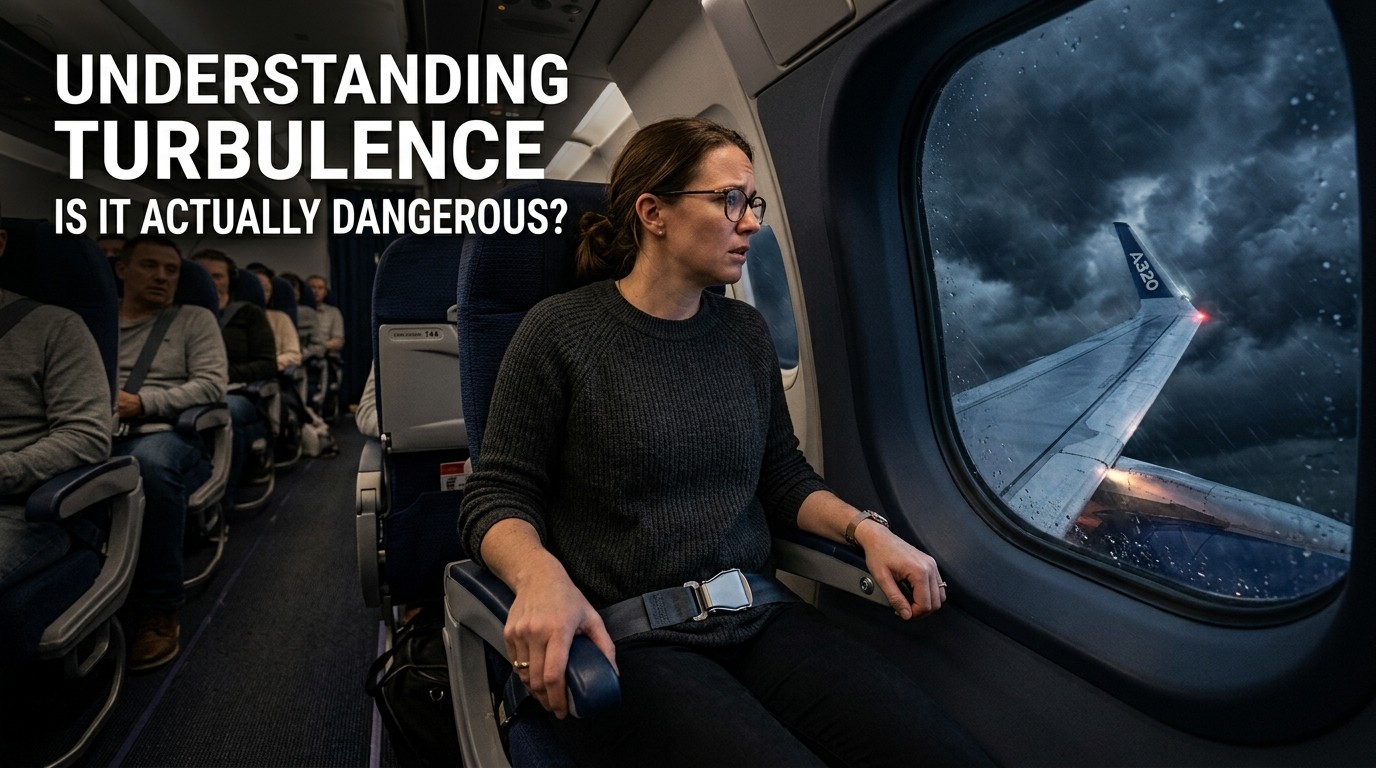
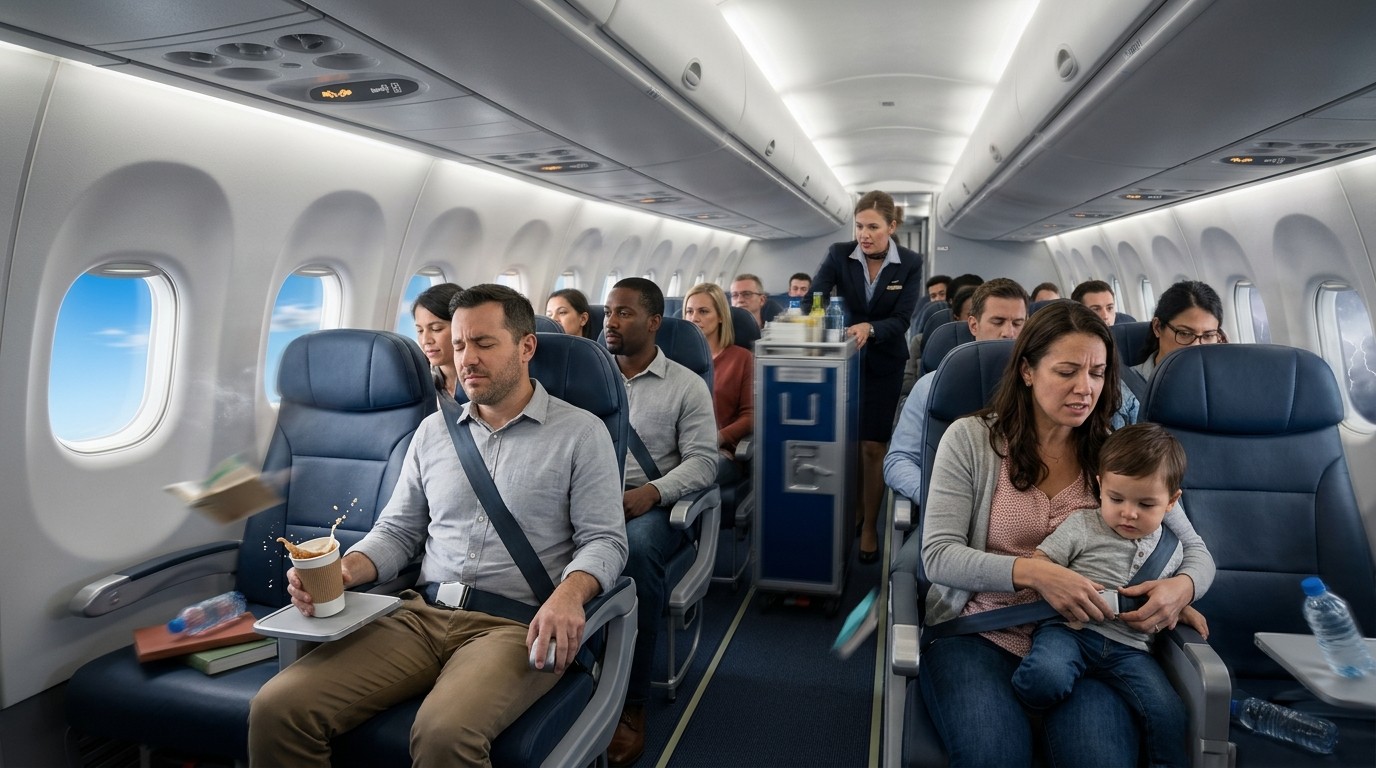
A lot of fear comes from how turbulence feels rather than what it actually is. The cabin may vibrate, the seat may shake, drinks may ripple, and the stomach may drop slightly. These sensations can easily trigger a person’s instinctive alarm system. Human beings are wired to react quickly to sudden movement, especially when they cannot control the situation.
That emotional reaction is real, even if the danger is not. This is why Understanding Turbulence is partly a psychological process. The body may say “something is wrong” before the mind has checked the facts. When people learn how turbulence works, they can begin to reinterpret the sensation as discomfort instead of immediate threat. That shift is one of the strongest ways to reduce flight anxiety.
Is Turbulence Actually Dangerous?
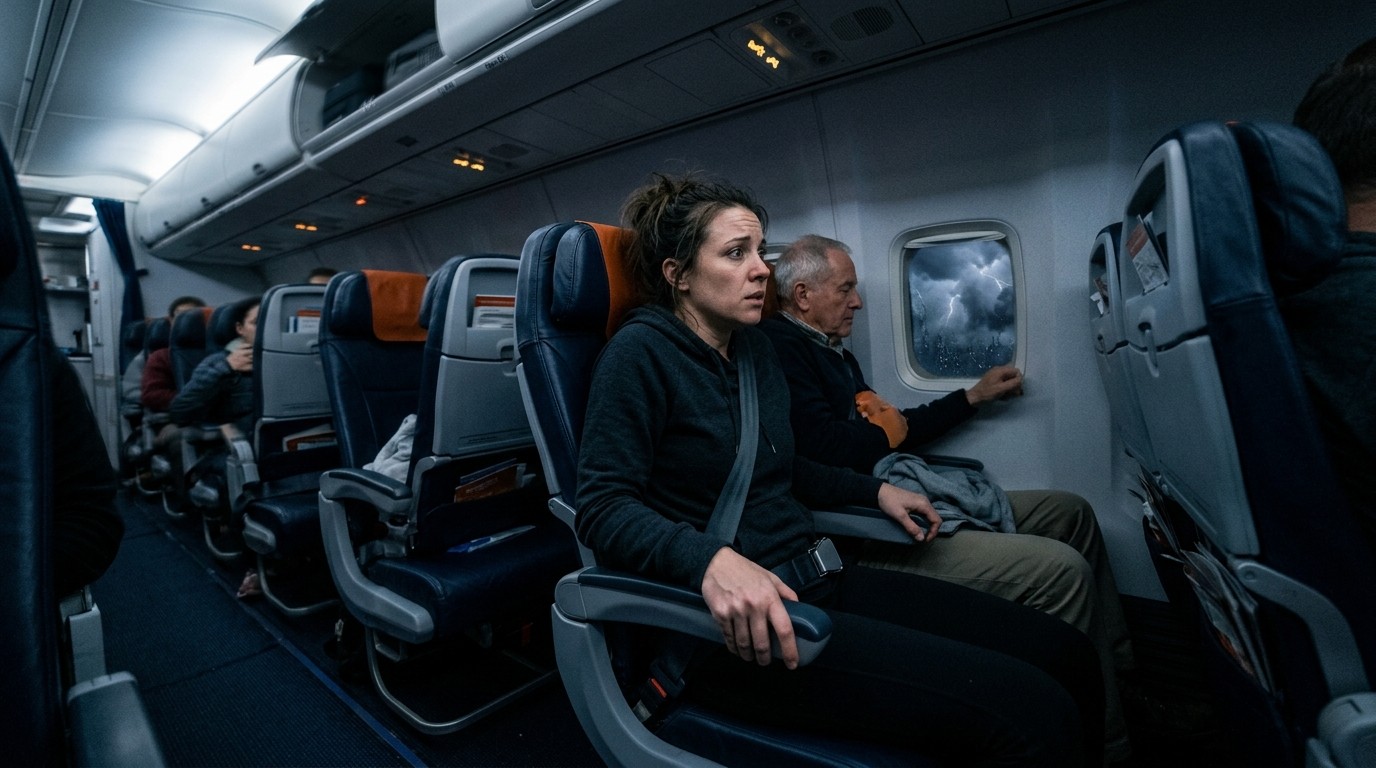
For most passengers, the answer is no, not in the way they imagine. Understanding Turbulence means recognizing that aircraft are designed and tested to handle a wide range of in-flight motion. Pilots are trained to monitor weather, adjust altitude, and choose safer paths when possible. The plane may feel unstable, but that does not mean it is losing control.
The main real-world risk from turbulence is often not the aircraft itself but what happens inside the cabin. Unbelted passengers can be injured if the plane encounters a sudden jolt, and loose items can shift or fall. That is why seat belts and cabin awareness matter so much. So while turbulence is usually not dangerous to the aircraft, it can still be dangerous to people who ignore basic safety behavior.
Why Pilots Manage It Differently
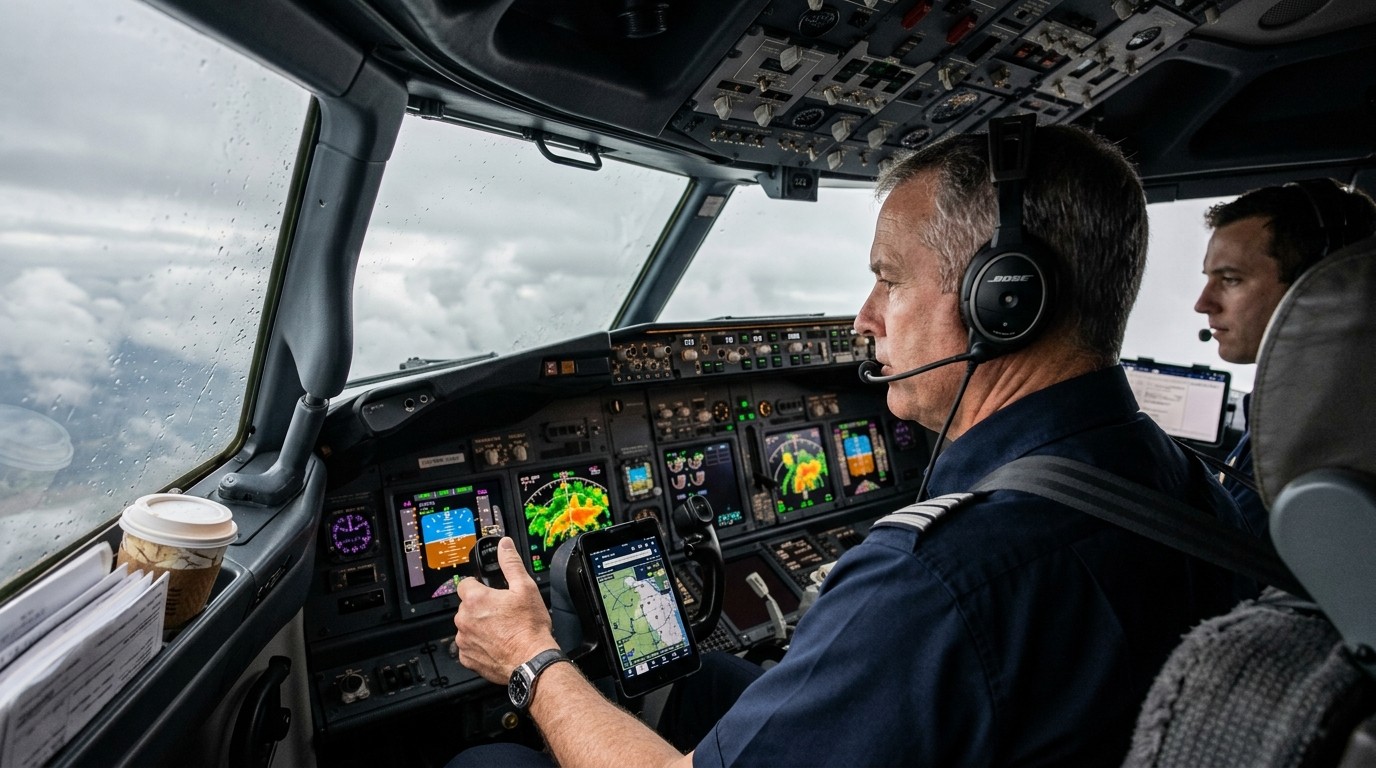
Understanding Turbulence also means knowing that pilots are not passive during rough air. They continuously monitor weather patterns, radar information, and the behavior of the aircraft. If conditions become uncomfortable or more severe, they may change altitude, alter course, or wait for a smoother path. Their decisions are guided by training and procedure, not guesswork.
This is where Aviation Safety Protocols become relevant, because pilots rely on structured methods to reduce risk during changing conditions. They do not just fly through turbulence blindly. They assess the situation, use available information, and choose the most appropriate response for the aircraft and passengers. That professional layer of decision-making is one reason turbulence is usually manageable.
The Role Of Crew Coordination
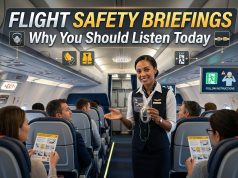
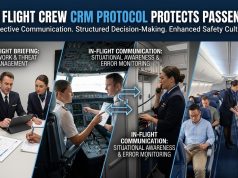
Cabin crew also play an important role in turbulence management. Understanding Turbulence includes recognizing that the flight crew is working together to maintain safety and order. Communication between cockpit and cabin helps prepare the crew for changes, reduce unnecessary movement, and protect passengers during rough periods.
This connects to the Flight Crew CRM Protocol, which is about teamwork, communication, and coordinated decision-making. Good crew resource management helps everyone stay aware of the situation and respond consistently. When passengers see calm, organized behavior from the crew, it often makes the turbulence feel less threatening. That calm is not accidental; it is part of the system.
What Passengers Should Do
One of the best ways to stay safe during turbulence is to follow basic instructions and remain seated with the seat belt fastened whenever the sign is on. Understanding Turbulence means accepting that passengers do not need to solve the weather. They simply need to stay protected, remain aware, and avoid moving around unnecessarily when the cabin becomes rough.
Passengers should also secure personal items, keep trays clear when possible, and avoid reacting dramatically to every jolt. Looking to the crew for cues can help, because their behavior often signals whether the turbulence is expected or requires extra caution. If you know the aircraft is behaving normally and the crew is calm, the experience usually becomes much easier to tolerate.
Anxiety And Mental Response
Fear of turbulence often comes from uncertainty, not just physical motion. People imagine worst-case scenarios because they cannot see the full picture. Understanding Turbulence helps reduce that fear by giving the brain a better explanation. Once the mind knows that the aircraft is designed for these conditions, the emotional intensity often drops.
For some travelers, the feeling of turbulence can also trigger broader stress about flying, travel planning, or being far from home. In those cases, a broader risk-aware mindset can help. Some travelers use Adventure Travel Insurance as part of that preparation because it reduces worry about unexpected problems. Others think in terms of Flight Safety and Travel Risk Management, which encourages them to prepare for uncertainty rather than fear it.
When Turbulence Deserves More Attention
Not all turbulence feels the same, and Understanding Turbulence also means knowing that some situations deserve more attention than others. Severe or prolonged rough air may prompt pilots to take action, and passengers should always follow instructions if crew members advise staying seated or preparing for a change. The key is not to panic, but also not to ignore what is happening.
A passenger does not need to diagnose the situation. That is the crew’s job. The passenger’s job is to stay safe and informed. If the cabin crew gives a warning or asks people to remain seated, that instruction should be taken seriously. The goal is calm compliance, not fear.
Types Of Turbulence Travelers Should Know
Understanding Turbulence becomes easier when travelers know that turbulence is not just one single phenomenon. Different types of turbulence occur under different atmospheric conditions, and each behaves differently. Learning these categories helps reduce fear because it makes turbulence more predictable and understandable.
One common type is clear air turbulence, often called CAT. This happens in clear skies, usually near jet streams, and can surprise passengers because there may be no visible clouds or storms. Since it is difficult to detect visually, pilots rely heavily on reports, weather data, and aircraft systems to anticipate it.
Another major type is thermal turbulence, caused by rising warm air. This often occurs during hot afternoons when the ground heats unevenly. Air rises in pockets, creating vertical motion that aircraft may pass through. Flights over deserts, warm cities, or sun-heated land often experience this.
Mechanical turbulence happens when airflow is disrupted by physical obstacles such as mountains, tall buildings, or rough terrain. Air moves around these structures, producing irregular currents that aircraft can feel during ascent or descent.
Finally, wake turbulence comes from other aircraft. Large aircraft create powerful air vortices behind them. Air traffic control uses spacing procedures to reduce exposure to this type of turbulence. Understanding these types helps passengers see that turbulence has identifiable causes rather than random danger.
How Aircraft Are Engineered For Rough Air
A major part of Understanding Turbulence involves knowing how modern aircraft are built. Commercial aircraft are designed with significant structural tolerance to handle forces far beyond what passengers normally experience during flight.
Aircraft wings are especially important in this discussion. Many nervous travelers assume wing flex means weakness, but the opposite is true. Wings are engineered to bend because flexibility helps absorb force. During turbulence, wing movement distributes aerodynamic stress more safely across the structure.
Manufacturers perform extensive stress testing during aircraft development. These tests simulate severe flight loads to ensure structural reliability. Engineers calculate safety margins well above normal operating conditions. This means the turbulence passengers usually encounter is far below the aircraft’s structural limits.
Redundant systems also increase safety. Navigation systems, flight controls, weather radar, and communication systems work together to support pilot decision-making. Even when turbulence becomes uncomfortable, multiple systems continue providing stability and information.
Understanding this engineering helps travelers separate fear from reality. The plane may shake, but shaking does not mean the aircraft is near failure. In most situations, the aircraft is functioning exactly as designed.
How Weather Forecasting Improves Turbulence Safety
Weather forecasting plays a crucial role in Understanding Turbulence. Modern aviation relies on advanced meteorological tools to identify potentially rough air before and during flights.
Before departure, dispatch teams analyze forecasts, storm systems, jet streams, and pressure changes. This information helps determine optimal routes. Airlines often adjust flight paths to reduce exposure to uncomfortable or hazardous conditions.
During flight, pilots continue receiving weather updates through communication systems and onboard instruments. Weather radar helps detect storms, precipitation, and strong weather cells ahead. Pilots can then request route adjustments from air traffic control.
Pilot reports, commonly known as PIREPs, are another valuable tool. When pilots experience turbulence, they report location, altitude, and severity. Other aircraft nearby can use this information to avoid rough areas.
This forecasting network makes aviation proactive rather than reactive. Instead of simply enduring rough conditions, crews actively work to minimize passenger discomfort and maintain safety. Understanding this process can reassure travelers that turbulence management starts long before the first bump occurs.
Practical Techniques To Stay Calm During Turbulence
Understanding Turbulence becomes even more valuable when paired with practical coping strategies. Knowledge reduces fear, but behavior during turbulence also matters.
Controlled breathing is one of the most effective techniques. Slow inhalation and longer exhalation help calm the nervous system. This reduces physical panic symptoms such as rapid heartbeat and muscle tension.
Grounding techniques can also help. Some passengers focus on physical sensations such as their feet touching the floor or their hands resting on armrests. This redirects attention away from catastrophic thoughts.
Mental reframing is another powerful tool. Instead of thinking, “The plane is falling,” passengers can remind themselves, “This is normal air movement.” Language influences emotional response. Replacing catastrophic thoughts with accurate explanations reduces panic.
Distraction can also help. Listening to music, watching entertainment, or reading can reduce hyperfocus on cabin movement. Some travelers even track breathing with meditation apps before takeoff.
Preparation matters too. Travelers who expect occasional turbulence often react more calmly than those who assume every flight must feel perfectly smooth.
Common Myths About Turbulence
Many fears around turbulence come from misinformation. Understanding Turbulence requires separating facts from myths that amplify anxiety.
One common myth is that turbulence causes planes to drop thousands of feet suddenly. In reality, altitude changes during normal turbulence are usually much smaller than people imagine. The sensation feels dramatic because the body is sensitive to motion.
Another myth is that turbulence means the pilot has lost control. This is inaccurate. Pilots remain in control during turbulence, even when the ride feels rough. Aircraft are designed to remain stable despite changing airflow.
Some people believe storms always mean dangerous turbulence. While storms can create stronger turbulence, pilots typically avoid severe storm cells using radar and route adjustments.
A frequent misconception is that turbulence is becoming unsafe everywhere. While climate patterns may affect turbulence frequency in some regions, aviation safety systems continue improving. Increased turbulence reports do not automatically mean increased danger.
Correcting these myths helps reduce fear by replacing imagination with facts.
Long-Term Benefits Of Learning About Turbulence
Understanding Turbulence offers benefits beyond a single flight. Over time, knowledge changes how travelers relate to flying as a whole.
For nervous flyers, repeated education gradually weakens the connection between turbulence and panic. Instead of reacting emotionally to every bump, they begin evaluating situations more rationally.
Frequent travelers also gain practical benefits. Reduced flight anxiety improves sleep, travel planning, and overall comfort during long journeys. Business travelers, solo adventurers, and families often perform better when travel stress decreases.
Greater understanding can also improve trust in aviation professionals. When passengers know how pilots, engineers, and crew manage turbulence, they feel less isolated during rough air.
Ultimately, the greatest benefit of Understanding Turbulence is confidence. Confidence does not mean enjoying every bump. It means recognizing discomfort without assuming danger. That mindset transforms flying from a fear-driven experience into a manageable and often enjoyable journey.
Why Frequent Flyers React Differently To Turbulence
Understanding Turbulence also involves recognizing that not all passengers respond to rough air in the same way. Frequent flyers often react differently compared to first-time or anxious travelers because repeated exposure changes perception over time.
People who fly regularly become familiar with normal aircraft sounds, motion, and in-flight behavior. They learn that small jolts, cabin vibrations, and occasional shaking are common parts of air travel rather than warning signs. This familiarity reduces the brain’s tendency to interpret every unexpected movement as danger.
By contrast, infrequent travelers often have less reference experience. Without prior exposure, even mild turbulence can feel dramatic. The mind tries to explain the unfamiliar sensation quickly, and that uncertainty often increases fear. In many cases, anxiety comes not from the turbulence itself but from not knowing whether the experience is normal.
Experience also improves emotional regulation. Frequent flyers often develop mental routines during takeoff, cruising, and turbulence. Some focus on breathing, some distract themselves with work or entertainment, and others simply trust the process because they have safely experienced turbulence many times before.
This does not mean frequent flyers never feel nervous. Strong turbulence can feel uncomfortable for anyone. The difference is that experienced travelers are usually better at separating discomfort from actual danger. That perspective is one of the most valuable lessons in Understanding Turbulence. The more familiar the experience becomes, the less power fear tends to have.
Conclusion
Understanding Turbulence changes the way people experience flying. Instead of seeing every bump as a sign of danger, passengers can learn that turbulence is usually a normal part of air travel and often more uncomfortable than hazardous. The real safety gains come from seat belts, crew coordination, pilot decision-making, and passenger awareness. Once you understand how it works, turbulence becomes less mysterious and much less frightening. That knowledge can turn a stressful flight into a manageable one.
Frequently Asked Questions (FAQ)
1. What is turbulence?
It is irregular air movement that can cause an aircraft to shake or bounce during flight.
2. Is turbulence dangerous?
Usually it is more uncomfortable than dangerous, especially when passengers stay seated and follow instructions.
3. What causes turbulence?
Weather systems, jet streams, mountains, thunderstorms, and wake from other aircraft are common causes.
4. Can turbulence damage a plane?
Aircraft are built to handle turbulence, so the plane itself is usually not in danger during normal rough air.
5. What is the biggest risk during turbulence?
The biggest risk is often injury to unbelted passengers or movement of loose items inside the cabin.
6. Why does turbulence feel scary?
Because sudden motion triggers the body’s natural alarm response and creates uncertainty.
7. What should passengers do during turbulence?
Stay seated, keep the seat belt fastened, and follow crew instructions.
8. Do pilots avoid turbulence?
They try to reduce exposure when possible by changing altitude or route, depending on conditions.
9. Does understanding turbulence reduce fear?
Yes. Knowledge often makes the experience feel less threatening and easier to manage.
10. Why is crew coordination important?
Because the cockpit and cabin work together to keep passengers safe and informed during changing conditions.