

Multi City Flight Booking Hacks help travelers design longer, smarter routes by reducing waste, comparing flexible dates, and aligning flights, hotels, and transfers into one calm planning system.
Multi City Flight Booking Hacks are useful because complex trips usually fail in the gaps between the big decisions. A route can look cheap on paper and still feel expensive once you add awkward connections, extra baggage costs, or a hotel that sits far from the next leg. The smarter approach is to treat the full journey as one connected system. Google Flights supports multi-city searches, price graphs, and price tracking, which makes it easier to compare route shapes instead of guessing from one fare at a time.
Multi City Flight Booking Hacks also matter because complex trips create more pressure on the mind. When you have several destinations, you are not just booking a ticket; you are deciding how time, energy, and money will move through the trip. That is where good planning reduces stress. A traveler who uses a clear route strategy, watches price trends, and keeps the next hotel and transfer in view usually makes better choices than someone who chases one cheap fare and hopes the rest will work out. Google Flights also says flexible dates can reveal fare trends by month or week, and it can track prices for specific routes or flights.
Why complex trips need a different mindset
Multi City Flight Booking Hacks work best when the traveler stops thinking like a one-ticket shopper and starts thinking like a route designer. A simple round trip is mostly about the cheapest departure and return combination. A multi-stop trip is about sequence, timing, and friction. That is why the same “cheap” flight can be a good fit for one trip and a bad fit for another. Google Flights explicitly allows separate or self-transfer tickets when they could save money or open more flight schedules, which shows how route structure itself can change the value of the trip.
The psychology behind Multi City Flight Booking Hacks is simple: people feel calmer when the trip feels understandable. If the route is messy, the mind keeps scanning for risk. If the route is clean, the traveler can relax and think about the actual experience. That is why the best complex-trip planner does not search endlessly for one magical fare. Instead, they compare route shapes, note where the transit pressure is highest, and choose a plan that still feels manageable after the flights are booked. That mindset is what turns multi-stop travel from a puzzle into a system.
Start with route shape, not just destination names
Multi City Flight Booking Hacks begin with route shape. Before comparing prices, it helps to ask how the trip should flow. Should it move in a straight line, loop back, or hop across regions in a certain order? Google Flights supports multi-city searches, which is useful because a complex itinerary often becomes clearer when the route is built as a whole rather than one leg at a time. That view helps you spot backtracking, dead time, and unnecessary re-entry into the same airport city.
A route-first approach also helps with emotional clarity. If the traveler sees the entire route early, they can decide where to spend more time, where to move faster, and where to leave extra flexibility. Multi City Flight Booking Hacks become easier when the trip is designed like a path instead of a shopping cart. That means thinking about the next hotel before you lock the current flight, and thinking about the transfer before you lock the hotel. When the route is intentional, the rest of the trip starts to feel lighter.
Use price graphs and tracking to see the pattern

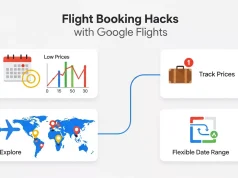
Multi City Flight Booking Hacks improve when you stop reacting to one fare and start reading the pattern. Google Flights says travelers can use the Price graph to explore fare trends by month or week, and they can also track prices for searched dates or “Any dates.” That is important because a single price snapshot can be misleading, especially when the itinerary has multiple cities or changing travel windows.
The Best Time to Book International Flights is not a magic rule that works perfectly for every route. The more reliable current guidance is to compare fare trends, watch the graph, and use the tracking tool when your dates are flexible. That reduces the urge to book from fear. Multi City Flight Booking Hacks become smarter when the traveler waits long enough to see whether the route is actually moving favorably. The goal is not to predict the market like a machine. The goal is to avoid paying more simply because the decision was rushed.
Think beyond the cheapest individual leg
Multi City Flight Booking Hacks are most valuable when they expose false savings. A one-way segment may look cheap, but if it creates a bad connection or forces a costly transfer, the full trip can end up worse. Google Flights notes that separate or self-transfer tickets may appear when they could save money or open more flight schedules, which means the cheapest-looking path is not always the best one. The decision should always be judged by the entire trip, not one segment alone.
This is where trip psychology matters. People like visible savings, so they often anchor on the lowest fare. Multi City Flight Booking Hacks help you step back and ask what the journey will feel like once the luggage, waiting time, and hotel timing are added. A slightly more expensive route can still be the smarter option if it reduces friction or preserves energy for the actual trip. That is particularly true for complex itineraries where one weak segment can damage the rest of the plan.
Decide carefully on separate and self-transfer tickets
Multi City Flight Booking Hacks often involve separate or self-transfer tickets, and Google Flights explicitly surfaces those options when they may save money or open more schedules. That can be very useful, but it also means the traveler must think carefully about timing and continuity. A multi-city plan is only strong if each handoff leaves enough room for the next step. The point is not to avoid separate tickets entirely. The point is to use them with awareness.
For a complex trip, the right question is whether the route still feels stable if one part is delayed or if a connection is less convenient than expected. Multi City Flight Booking Hacks should reduce risk, not multiply it. Self-transfer can be a great fit when the traveler has flexibility and the savings are meaningful. But for a tighter trip, the more direct route may be worth the higher price because it reduces uncertainty and protects the schedule. That is why route design should come before excitement about savings.
Match the flights to hotel and transfer logic
Multi City Flight Booking Hacks work best when they are part of the whole logistics chain. Flight, Hotel & Transfer Booking Logistics only makes sense when the arrival airport, hotel location, and next transfer all fit together. If one segment lands too late or too far away, the next part of the trip gets harder. That is why complex trips are not just about airfare. They are about how each flight supports the next move.
Hotel and Flight Booking Tools can help here by showing how route choices affect the stay. A lower fare may bring you into the wrong airport for the hotel you want, and that can create transport stress right away. Multi City Flight Booking Hacks should therefore be measured in terms of total travel effort, not ticket price alone. Once flights, rooms, and transfers are considered together, the best option usually becomes clearer. The traveler who thinks this way often feels more in control because fewer hidden problems appear later.
Use trip purpose to shape the route
Multi City Flight Booking Hacks become stronger when the itinerary has a clear purpose. A business-heavy route may need reliability and clean transitions. A leisure-focused route may need more flexibility and recovery time. A family trip may need fewer moving parts. Weekend Trip Planning also becomes more important when the time window is short, because there is less room for a complicated route that eats the trip before it begins.
When the purpose is clear, the route becomes easier to judge. Multi City Flight Booking Hacks can then support the actual experience instead of trying to impress with cleverness. If the goal is a short getaway, a smaller number of stops may be better. If the goal is to visit multiple cities efficiently, then the sequence matters more than the cheapest single ticket. Good planning starts with the real reason for travel, because the route should serve the trip rather than the trip serving the route.
Don’t ignore baggage and fee transparency
Multi City Flight Booking Hacks are incomplete if the traveler ignores baggage and ancillary fees. The U.S. Department of Transportation finalized a rule requiring airlines and ticket agents to disclose fees upfront for a first or second checked bag, a carry-on bag, and canceling or changing a reservation. That matters because a fare that looks low can become much more expensive once the real fees are added.
The point is not just compliance. The point is planning honesty. Multi City Flight Booking Hacks become more reliable when the traveler compares the actual total cost instead of the headline price. If a route saves a little money but adds baggage friction or change fees, the real savings may shrink fast. That is why fee transparency belongs in every complex-trip decision. The traveler who understands the fee structure is less likely to feel surprised later, and less likely to discover that the cheapest-looking ticket was not the cheapest trip.
Build a flexible search habit

Multi City Flight Booking Hacks are easier to use when the search process is disciplined. Google Flights allows travelers to choose stops, cabin class, and number of tickets, and it lets them track prices for searched dates or flexible dates. That means the traveler can compare the route in a structured way instead of randomly switching between tabs. Multi City Flight Booking Hacks work better when the search starts broad and then narrows.
A flexible search habit matters because multi-city fares often move differently from simple round trips. Some routes get cheaper if you move the date by a day or two. Some routes become easier if you adjust the order of stops. The more the traveler compares with a price graph and flexible date view, the less likely they are to book from panic. Multi City Flight Booking Hacks are not about hunting forever. They are about searching in a way that reveals the real shape of the market. That shape is what allows better decisions.
Use last-minute logic carefully
Multi City Flight Booking Hacks should not depend on luck, but sometimes Last Minute Flight Deals can be useful if the traveler has real flexibility. Google Flights’ AI-powered Flight Deals feature shows that users can describe an ideal trip in natural language and search for bargains, including a weekend escape idea. That shows how modern tools are moving toward more flexible, intention-based searching rather than only rigid date-by-date hunting.
That said, the smarter use of last-minute options is cautious rather than hopeful. Multi City Flight Booking Hacks work best when the trip can absorb changes without becoming stressful. If the route is complex and the schedule is tight, waiting too long can increase pressure. If the traveler can adjust dates, airports, or even the order of stops, then last-minute opportunities become more interesting. The key is that the choice should still fit the route logic. A cheap fare is not a good deal if it creates a broken sequence later.
Safety and trust checks matter more on complex routes
Multi City Flight Booking Hacks also benefit from a simple safety and trust routine. The U.S. State Department’s planning pages and checklist recommend that travelers review safety tips, personal needs, and practical travel planning steps before going abroad. That is especially relevant for complex itineraries, where multiple handoffs and destination changes can increase uncertainty. A good route is not only about price. It is also about whether the trip feels manageable from a safety and preparedness standpoint.
Online Reputation Management plays a practical role here because reviews, support behavior, and service consistency help you judge whether an airline, hotel, or transfer provider is dependable enough for a multi-stop trip. Multi City Flight Booking Hacks should not ignore reliability just because the fare is attractive. When the route has several moving parts, trust becomes part of the budget. The traveler who checks both price and confidence usually avoids the most frustrating problems. That simple habit often saves more than a small discount ever could.
A simple decision for complex routes
| Question to ask | Why it matters | What it protects |
|---|---|---|
| Does the route move logically? | Reduces backtracking | Time and energy |
| Do the dates fit the price graph? | Improves timing | Budget value |
| Are fees clear up front? | Avoids surprise costs | Total trip cost |
| Is the transfer practical? | Keeps the route stable | Arrival confidence |
| Does the hotel fit the flight? | Reduces friction | Trip flow |
| Is the provider reliable? | Lowers stress | Trust and reputation |
Google Flights’ price graph, route tracking, and multi-city search features make this kind of comparison easier, while DOT fee disclosure and State Department planning tools help you avoid common surprises.
Step-by-step booking logic for complex trips
Multi City Flight Booking Hacks work best when the traveler follows a repeatable order. Start by defining the trip purpose. Next, map the route shape. Then compare multi-city flight options, watch the price graph, and use tracking if the dates are flexible. After that, check baggage and change fees, because the headline fare alone does not tell the full story. Finally, match the flight path to hotel and transfer timing so the trip remains coherent from arrival to departure. Google Flights and the DOT fee rules are both designed to make that kind of comparison more transparent.
The benefit of a sequence is psychological as much as financial. Multi City Flight Booking Hacks feel easier when each step reduces uncertainty instead of increasing it. The traveler sees the route, sees the costs, and sees the connections before the first booking is locked in. That means fewer last-minute decisions, fewer surprise expenses, and less stress during the trip itself. A complex route always has more moving parts. The point of the planning process is to make those parts visible enough that the traveler can choose calmly instead of reactively.
Common mistakes to avoid
Multi City Flight Booking Hacks fail most often when travelers focus only on the cheapest ticket, ignore route order, or forget to check the transfer chain. Another mistake is waiting too long and assuming a better fare will magically appear without checking the trend. Google Flights gives you price graphs and tracking specifically to avoid that kind of blind guessing. A related mistake is forgetting about fees, which DOT says should be disclosed upfront for bags and certain changes.
The most important mistake is treating a complex trip like a simple one. Multi City Flight Booking Hacks are only useful when the traveler respects the complexity. That means checking flexibility, comparing separate or self-transfer options carefully, and making sure the hotel and transfer are realistic after the flight lands. If those pieces are ignored, the itinerary becomes fragile. If they are handled well, the trip becomes much easier to manage. That difference is usually what separates a smooth complex trip from one that feels like constant repair work.
Why flexible tools are the best advantage

Multi City Flight Booking Hacks are strongest when the traveler uses tools that show flexibility clearly. Google Flights offers price tracking for specific routes or dates and lets users explore fare trends by month or week. That makes it easier to see whether a route is stable or moving. It also lets the traveler act from evidence instead of emotion. For a complex itinerary, that flexibility is a major advantage because the right choice often becomes obvious only after a little comparison.
The broader lesson is that smart planning tools should reduce friction, not create it. Multi City Flight Booking Hacks should feel like a calm process of refining the route, not a frantic game of catching a disappearing fare. Once the traveler can compare route shape, timing, and fee structure together, the trip becomes easier to trust. That trust is valuable because it lowers stress before departure and protects the traveler from feeling trapped by a poor decision later. Good complex-trip planning always comes back to the same thing: fewer surprises, better flow, and more control.
Conclusion
Multi City Flight Booking Hacks are really about making complex trips feel simpler. When you plan around route shape, flexible dates, transparent fees, reliable providers, and realistic hotel and transfer logic, the itinerary starts to hold together. Google Flights makes it easier to compare multi-city routes, track prices, and spot fare trends, while the DOT’s fee disclosure rule helps you avoid hidden costs and the State Department’s planning tools help you think through safety and preparedness. The best complex-trip strategy is not to hunt for the cheapest number and stop there. It is to build a route that feels coherent, affordable, and calm from the first flight to the last transfer.
Frequently Asked Questions (FAQ)
What are Multi City Flight Booking Hacks?
Multi City Flight Booking Hacks are planning strategies for comparing and booking trips with multiple stops in a way that reduces waste, stress, and unnecessary backtracking. Google Flights supports multi-city searches, flexible date comparisons, and route tracking, which are useful for this kind of planning.
When should I use multi-city instead of separate one-way tickets?
Use a multi-city structure when it helps the route move more logically or when you want to compare the whole trip in one place. Google Flights notes that separate or self-transfer tickets may save money or open more schedules, so the choice depends on the route and your flexibility.
How do I find better prices for a multi-city trip?
Use the price graph, flexible dates, and price tracking tools so you can see fare trends instead of reacting to one price at one moment. Google Flights explicitly offers these features.
What is the Best Time to Book International Flights?
There is no single guaranteed time for every route. The current practical advice is to watch fare trends, use flexible dates if possible, and track prices rather than relying on a fixed myth.
Can Hotel and Flight Booking Tools help with complex trips?
Yes. Hotel and Flight Booking Tools help you compare the flight route with the hotel location so the whole itinerary feels more connected. That matters because the best route is not just the cheapest ticket; it is the trip that flows well after arrival.
Are Last Minute Flight Deals worth waiting for?
Sometimes, but only when your trip can handle flexibility. Google Flights’ AI Flight Deals feature shows that modern search tools can help you discover bargains, but a complex itinerary should still be judged by route stability, not excitement alone.
Why do baggage fees matter so much?
Because DOT requires upfront disclosure of important baggage and change fees, and those fees can turn a cheap-looking fare into a more expensive trip. That is why total cost matters more than headline price.
How does Flight, Hotel & Transfer Booking Logistics fit in?
It is the process of making sure the flight, hotel, and transfer all line up with each other so the trip feels smooth after landing. If one part does not fit, the whole route becomes harder.
Why does Online Reputation Management matter for travel planning?
Because trust signals matter. Reviews, support behavior, and service consistency help you judge whether a provider is dependable enough for a complex route. State Department planning resources also encourage travelers to think through safety and preparation before departure.
What is the biggest mistake in complex-trip booking?
Treating the trip like a single cheap fare instead of a connected route is the biggest mistake. The smartest booking process compares route shape, timing, fees, and transfer fit together.